
Container Gardens
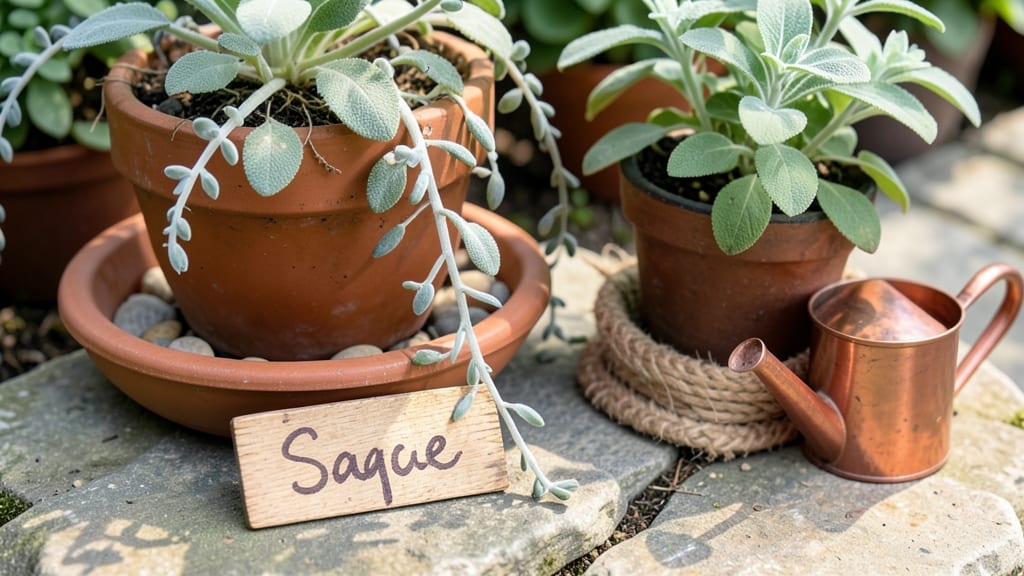
Using clay garden pots adds rustic charm and breathability to your container garden 🏺, but their durability often gets overlooked until it’s too late.
If you’ve ever watched a prized clay pot shatter under your plant’s weight—or worse, crack mid-season—you know the frustration of losing both pot and plant. But with the right care and material choices, these timeless containers can last for years, blending function with style.
Clay pots excel at wicking away moisture, making them ideal for herbs, succulents, and Mediterranean plants. Yet their porous nature also means they’re prone to cracking if not handled properly. The key lies in understanding the differences between terracotta, stoneware, and glazed clay—and how each affects longevity.
In this guide, I’ll break down which clay pot materials hold up best, how to prevent cracks, and simple tricks to revive or repair them. Whether you’re a seasoned gardener or just starting, you’ll learn how to keep your pots—and your plants—thriving for seasons to come.
Why clay garden pots crack—and how to prevent it
Clay garden pots—especially the classic terracotta varieties—are beloved for their rustic charm and natural breathability. But their porous nature also makes them vulnerable to cracking, often at the worst possible time.
The good news? Understanding the root causes of cracks gives you the power to prevent them, saving both your pots and your plants.
Most cracks form due to rapid temperature shifts, like moving pots between freezing winters and scorching summers without preparation. Others appear from uneven drying—when water evaporates too quickly from one side of the pot.
Even the thickness of the clay plays a role: thinner walls crack easier under plant weight or root pressure.
⚠️ CRACKING WARNING: 3 Silent Killers of Clay Pots
1. Temperature Shock: Moving pots between hot sun and freezing nights without acclimation causes thermal stress cracks. Example: A pot left outside in 90°F heat then moved to a 32°F garage overnight risks splitting.
2. Improper Drying: Letting pots dry unevenly (e.g., one side in direct sun while the other stays shaded) creates internal stress. This is why glazed clay pots last longer—they dry more evenly.
3. Thin or Weak Walls: Cheap or handmade clay pots with walls thinner than 0.5 inches can’t handle root expansion or heavy plants like monstera or citrus trees.
To combat these issues, start with the right material. Not all clay pots are created equal. Stoneware clay (vitrified during firing) resists cracking better than traditional unglazed terracotta.
If you love the look of terracotta but worry about durability, opt for glazed versions—they’re less porous and dry more slowly, reducing stress.
Another game-changer? Slow drying techniques. Never let your clay pots sit in direct sunlight for hours at a time. Instead, place them in partial shade during peak heat (10 AM–4 PM) and water them deeply in the morning.
This mimics natural moisture cycles and prevents the sudden contraction that causes cracks.
Thickness matters too. For heavy plants like roses or tomatoes, choose pots with walls at least 0.75 inches thick. If you’re repurposing an old pot, test its strength by gently tapping it—if it sounds hollow or fragile, it’s time to retire it.
For lightweight plants like herbs or succulents, thinner walls (0.3–0.5 inches) are fine.
Seasonal care is your best defense. Before winter, empty and store pots indoors or wrap them in bubble wrap to protect against freeze-thaw cycles. In summer, avoid placing pots on concrete or asphalt, which absorbs heat and radiates it back into the clay, accelerating cracks.
Instead, use pot feet or elevated stands.
Even with the best precautions, cracks can still happen. If you spot a hairline crack, don’t toss the pot—seal it with waterproof silicone or epoxy to prevent further damage. For larger cracks, consider re-glazing the pot with a heat-resistant ceramic glaze designed for outdoor use.
This won’t restore the pot to new condition, but it can extend its life for another season.
Remember, the key to longevity is balance: thick enough walls for durability, glazing for even drying, and seasonal adjustments for temperature shifts. With these strategies, your clay pots can become decades-long garden staples instead of seasonal casualties.
🌱
Best clay pot materials for crack resistance compared
Not all clay pots are created equal—some shatter under succulent roots, while others handle tropical humidity like champions. The difference lies in the material: terracotta, stoneware, or fired clay.
Each has unique properties that determine how well it resists cracks, absorbs moisture, and supports your plants' growth. Let’s break down the best options for your garden’s needs.
Your choice of clay pot material directly impacts root health and pot longevity. Terracotta, the classic orange pot, dries quickly but cracks easily. Stoneware offers durability with a glossy finish, while fired clay blends strength with natural breathability.
For herbs like basil, terracotta’s porosity works wonders, but for tropical ferns, stoneware’s moisture retention wins. Let’s compare them head-to-head.
If you’re growing succulents or herbs, terracotta’s high porosity keeps roots aerated but requires frequent watering. For tropical plants like calatheas or ferns, stoneware’s moisture retention and crack resistance make it the ideal choice.
Meanwhile, fired clay’s thick walls handle heavy plants like citrus trees or large shrubs without bending or breaking.
Consider your garden layout too. Terracotta’s lightweight nature makes it perfect for hanging pots or window sills, while stoneware’s glossy finish adds elegance to patio designs. Fired clay’s rustic charm suits outdoor garden beds but needs a sturdy surface to prevent tipping.
Each material balances aesthetics and functionality differently, so pick based on your plants’ needs.
Pro tip: For long-term use, opt for stoneware or fired clay if you’re investing in pots for years. If you love the classic look of terracotta, rotate pots seasonally to extend their lifespan. A little planning now saves you from shattered pots—and lost plants—later. 🌱