
Tools
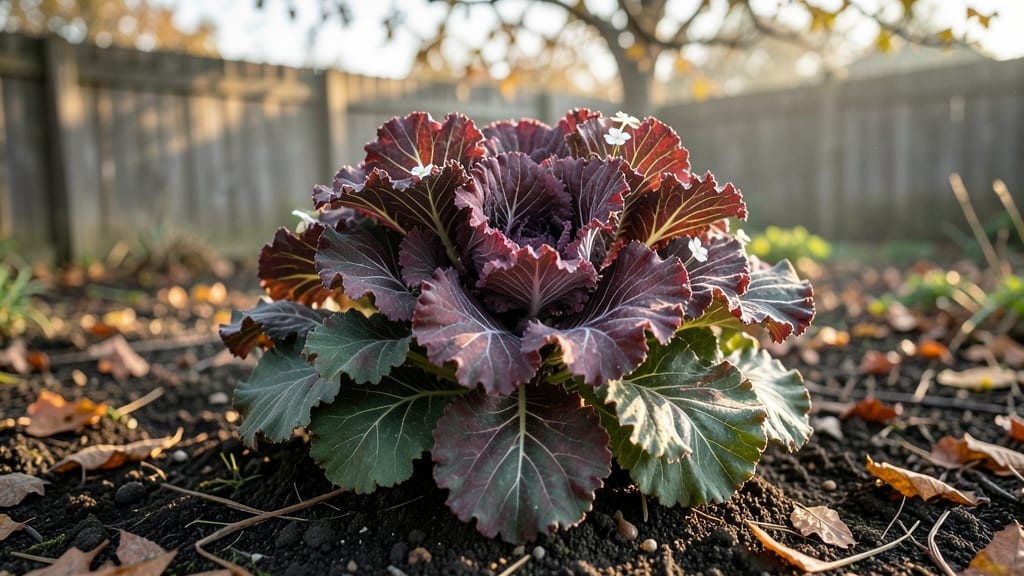
For a successful fall garden in Zone 8A, focus on planting cool-season vegetables like kale, spinach, and carrots between late August and October, taking advantage of the region's mild autumn temperatures and shorter daylight hours to maximize growth before winter frost arrives. Begin with well-prepared soil and consistent moisture for the best results.
Zone 8A's climate—where winters are mild but frost is inevitable—makes fall gardening a sweet spot for harvesting hearty greens and root vegetables. 🌱 The key is timing: cooler temps slow down pests while extending the growing season for crops that need fewer daylight hours.
I’ve found that amending soil with compost before planting boosts nutrient uptake, and using row covers can push harvests even later into fall. Don’t overlook herbs like cilantro or parsley—they thrive in these conditions and add fresh flavor to winter meals.
Pro tip: Start with fast-growing radishes or lettuce to test soil conditions before committing to longer-season crops like broccoli or Brussels sprouts. These early indicators help you adjust watering or fertilization as needed.
For transplanting, wait until soil temperatures drop below 75°F—this prevents stress on young plants. And remember, Zone 8A’s last frost typically arrives in mid-December, so plan your final plantings accordingly.
💡 In This Article
- Best Fall Vegetables and Herbs for Zone 8A Gardens
- Zone 8A Fall Planting Timeline and Soil Prep Tips
Best fall vegetables and herbs for zone 8A gardens
Zone 8A’s mild winters create perfect conditions for cool-season crops that crave temperatures between 50-70°F—think of it as nature’s extended growing season. 🌿 Broccoli, for example, thrives in these conditions because its growth slows dramatically when temps exceed 80°F, making fall planting ideal.
The shorter daylight hours (10-12 hours) trigger bolting resistance in leafy greens like spinach, while root vegetables such as carrots and beets develop sweeter flavors when grown in cooler weather. Herbs like cilantro and parsley actually prefer these conditions—their oils develop more intensely when not stressed by heat.
Each crop has its own hardiness range, but most Zone 8A fall favorites can handle light frosts down to 25°F. Kale, for instance, becomes sweeter after exposure to 28-32°F temperatures, while radishes mature in just 25-30 days, making them perfect for quick harvests before winter sets in.
Companion planting amplifies these benefits: for example, planting broccoli near dill deters cabbage moths, while lettuce thrives alongside carrots to deter carrot flies. The soil’s natural cooling in fall also reduces fungal diseases that plague summer gardens.
Temperature shifts are the real game-changer in Zone 8A fall gardening. When nights drop below 55°F but days stay warm, crops like Swiss chard and mustard greens grow rapidly—this is why late August plantings often outperform earlier ones.
The key is monitoring soil temps: use a soil thermometer to ensure they’re below 75°F before transplanting seedlings, as warmer soil stresses roots. For herbs, cilantro bolts when days exceed 12 hours of light, so plant it by mid-September to avoid this common pitfall.
Don’t overlook the sensory rewards of fall gardening in Zone 8A. The crisp texture of freshly harvested kale, the peppery bite of arugula, and the earthy aroma of homegrown cilantro are unmatched. These crops also store well in the fridge, extending your harvest into winter.
For example, Brussels sprouts continue to develop flavor even after frost, while carrots stay crisp for weeks when stored properly. The visual contrast of deep purple kale against the golden hues of fall foliage makes the garden itself a feast for the eyes.
Advanced gardeners can push these limits further by using row covers to create microclimates that delay frost damage by 2-4 weeks. This technique works particularly well for lettuce and spinach, which can tolerate light frosts but wilt in hard freezes.
The covers also protect against pests like flea beetles, which become less active as temperatures drop. For maximum yield, consider succession planting every 2-3 weeks—this ensures a continuous harvest of radishes or lettuce throughout the season.
What most gardeners miss is how soil preparation in early fall sets the stage for winter success. Amending with compost not only feeds plants but also improves soil structure, helping it retain moisture during dry spells.
Aim for a soil pH of 6.0-7.0 for most vegetables, though herbs like thyme prefer slightly alkaline conditions. A simple soil test before planting can save you from nutrient deficiencies that stunt growth.