
Fertilization
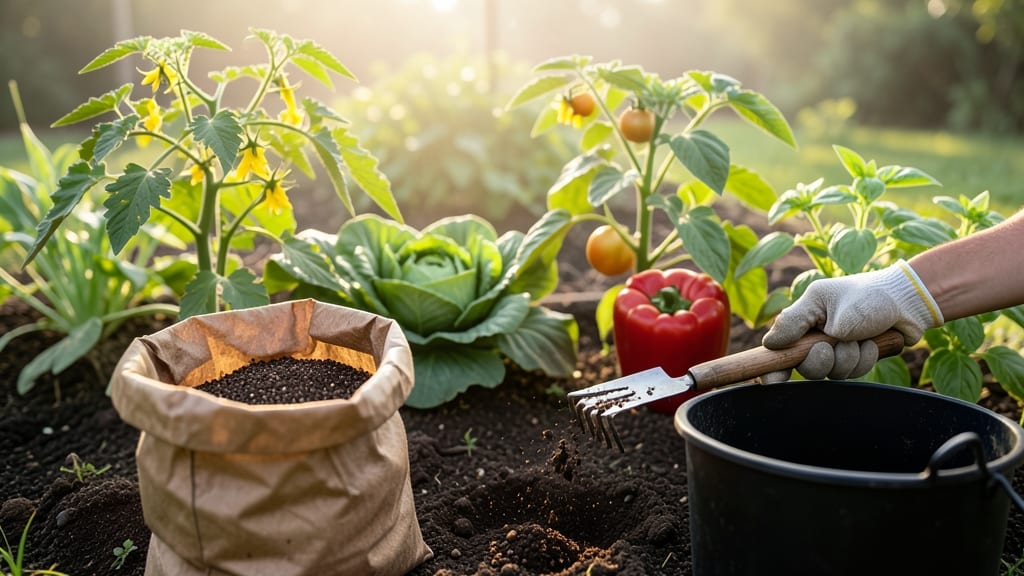
Using coffee grounds in the vegetable garden enriches soil with nitrogen, deters pests like slugs, and improves moisture retention—but apply them sparingly and correctly to avoid over-acidifying or compacting the soil. Fresh grounds should be composted first for best results.
Coffee grounds act as a natural fertilizer because they break down slowly, releasing nitrogen that plants crave. 🌱 The caffeine in grounds also repels slugs and snails, which makes them a double-edged tool for gardeners.
However, too much can make soil too acidic or create a compacted layer that roots struggle to penetrate. I recommend mixing them into compost piles first—this lets beneficial microbes break down the grounds before they hit your garden beds.
For best results, sprinkle a thin layer (about ¼ to ½ cup per plant) around acid-loving plants like tomatoes and blueberries. Avoid using them near beans or carrots, which prefer neutral soil.
The key is balance—too much becomes counterproductive, while the right amount boosts soil health without harming your plants.
💡 In This Article
- How Coffee Grounds Benefit Vegetable Garden Soil
- Best Practices for Applying Coffee Grounds in Gardens
How coffee grounds benefit vegetable garden soil
The real magic happens underground where coffee grounds stimulate microbial activity. When grounds decompose, they release nitrogen in a slow, steady process that feeds plants over weeks rather than days. This contrasts sharply with synthetic fertilizers, which often deliver nitrogen too quickly—burning roots and causing nutrient runoff.
The microbial boost also improves soil structure by creating tiny air pockets that roots can access more easily. 🌱
Caffeine plays a surprising role in pest control. Studies show that even small amounts of caffeine in soil repel slugs and snails by disrupting their nervous systems, making them avoid treated areas. The grounds also attract earthworms, which aerate the soil and create nutrient-rich castings.
However, this benefit comes with a catch: fresh grounds can compact soil if used in thick layers, creating a dense barrier that roots struggle to penetrate.
The pH adjustment is another critical factor. Coffee grounds lower soil pH slightly, making them ideal for acid-loving plants like tomatoes, peppers, and blueberries.
A ¼ to ½ cup of grounds per plant typically lowers soil pH by 0.5-1.0 points—enough to shift neutral soil (pH 7) toward the ideal acidic range (pH 5.5-6.5) for these crops.
But this same property makes coffee grounds problematic for vegetables like beans or carrots, which thrive in neutral to slightly alkaline soil.
Moisture retention is where coffee grounds truly shine. Their porous texture acts like a natural sponge, absorbing water and releasing it gradually to plant roots. This is particularly valuable in sandy soils that drain too quickly.
The organic matter also improves water infiltration, reducing surface runoff during heavy rains. For example, a 1-inch layer of composted coffee grounds can increase moisture retention by 30-40% in sandy loam soils.
What most gardeners overlook is the timing of decomposition. Fresh grounds take 4-6 weeks to break down completely, while composted grounds release nutrients almost immediately.
This explains why mixing them into compost piles first yields better results—the microbes get a head start, creating a more balanced soil amendment by the time you apply it to garden beds.
Consider this comparison: A single cup of coffee grounds contains about 0.15% nitrogen by weight, but their real value comes from the microbial activity they stimulate.
The fungi and bacteria that decompose coffee grounds produce additional nutrients like phosphorus and potassium as byproducts, creating a more complex soil food web than synthetic fertilizers ever could. 💫