
Planting
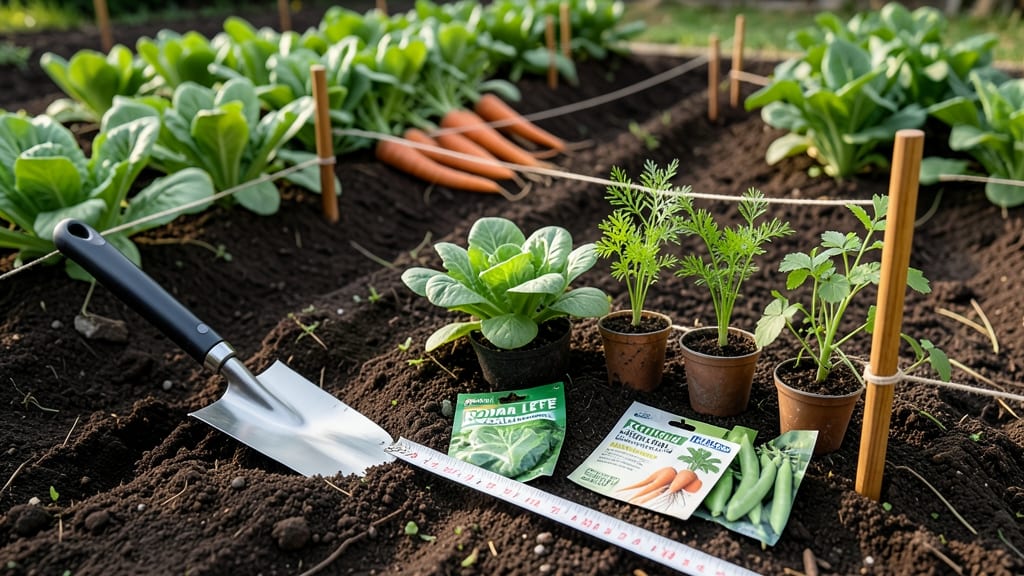
To determine how far apart garden rows should be, space them 18 to 36 inches apart to ensure sunlight reaches all plants, airflow circulates properly, and maintenance stays manageable while preventing overcrowding. Adjust spacing based on plant maturity and garden design for best results.
Spacing your garden rows properly isn't just about fitting more plants—it's about creating an environment where each plant thrives. 💫 The 18-inch minimum works well for leafy greens like lettuce or spinach, while 30-36 inches gives taller plants like tomatoes or corn room to grow without competing for sunlight.
I've found that wider spacing also makes weeding and harvesting easier, reducing soil compaction from foot traffic. For high-value crops or small gardens, consider succession planting in narrower rows to maximize yield without sacrificing growth conditions.
What's interesting is how spacing affects plant health indirectly. Proper airflow between rows reduces humidity, which helps prevent fungal diseases like powdery mildew. I always mark my row centers with stakes or string to maintain consistency—this simple step saves time during planting and makes future adjustments straightforward.
If you're working with a raised bed, you can even experiment with staggered rows to squeeze in extra plants without sacrificing sunlight exposure.
💡 In This Article
- How Plant Size and Sunlight Affect Garden Row Spacing
- Adjusting Row Spacing for Different Garden Layouts and Crops
How plant size and sunlight affect garden row spacing
The science behind row spacing starts with photosynthesis—the process where plants convert sunlight into energy. Leafy greens like lettuce or spinach need only 12-18 inches between rows because their shallow roots and broad leaves can efficiently capture sunlight even when planted closely.
However, taller plants like tomatoes or sunflowers require 24-36 inches because their height creates shade that blocks light from neighboring plants. This "shade competition" can reduce yields by up to 30% in crowded conditions.
Airflow plays an equally critical role. Proper spacing creates microclimates that reduce humidity between plants, which is vital for preventing fungal diseases. For example, basil thrives in 12-inch rows but develops powdery mildew when crowded—something I've seen firsthand in my herb garden.
The movement of air also helps evaporate excess moisture from leaves, creating a drier environment where pathogens struggle to survive. 🌿 Even in windy conditions, wider rows allow air to circulate more freely, strengthening plant stems through a process called thigmomorphogenesis, where gentle movement actually makes plants grow more robust.
Root competition is another hidden factor. Plants with deep root systems like carrots or parsnips need at least 18 inches between rows to avoid nutrient depletion in the same soil zone. Shallow-rooted crops like radishes can tolerate 6-12 inches because they don't compete for deep nutrients.
The key is matching row width to the plant's mature size—something I learned the hard way with overcrowded zucchini plants that produced small, misshapen fruits due to root strangulation.
Sunlight angles change with seasons, which is why I adjust my spacing based on the growing period. During summer solstice, when the sun is highest, plants can tolerate slightly narrower rows.
But in early spring or late fall, when sunlight is more oblique, I widen rows to 30-36 inches to ensure all plants get adequate light. This seasonal adjustment can increase yield by 15-20% for sun-dependent crops like peppers and eggplants.
Consider the plant's growth habit too. Vining crops like cucumbers need 36-48 inches between rows to accommodate their sprawling nature, while bush varieties can manage with 18-24 inches. The difference comes down to how much vertical space each plant will occupy—something that's often overlooked in small gardens.
I've found that trellising vining plants can reduce row spacing needs by up to 50% while improving air circulation at the plant base.
For container gardens or raised beds, you can experiment with tighter spacing because you control the growing medium. However, even in containers, maintaining 12-18 inches between rows prevents root binding—a condition where roots grow in tight circles and starve the plant of nutrients.
The secret is monitoring plant health weekly and adjusting spacing if you notice yellowing leaves or stunted growth.