
Companion Plants
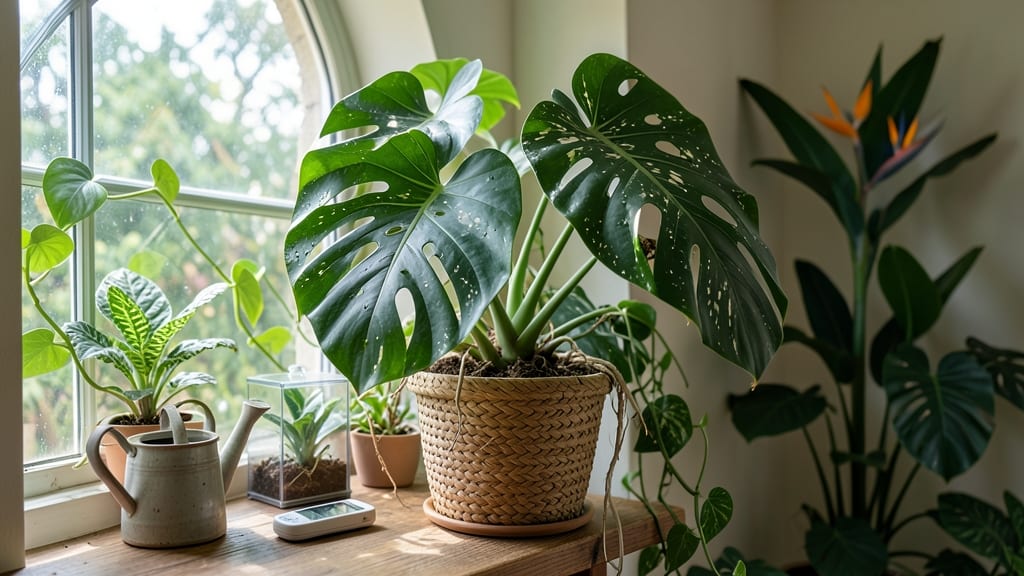
Gardening tropical plants thrives when you nail three key factors: humidity, light, and soil—each one more critical than you might think.
Picture this: your ferns wilt by noon, your orchids drop buds before they open, and your palms yellow at the edges—all because the air feels like a desert instead of a jungle. That’s the reality for most beginners, and it’s fixable with the right tweaks.
You don’t need a greenhouse or a climate in USDA zones 10-12 to keep these plants happy. Whether you’re working with hibiscus, calatheas, or dwarf banana trees, the secrets lie in mimicking their natural environment—even in a dry indoor corner or a hot backyard.
Here’s how to set them up for success: from pebble trays that add humidity in seconds to soil mixes that breathe like a rainforest floor, and light tricks that turn shade into sunshine. Let’s get your tropical plants thriving.
How to mimic tropical humidity levels indoors and outdoors
Tropical plants thrive in 60-80% humidity, but most homes hover around 30-50%. Without adjustments, your monstera or bird of paradise will show signs of stress like crispy leaf edges or slow growth.
The good news? Mimicking tropical humidity is easier than you think with simple, low-cost methods that work both indoors and outdoors.
Indoor solutions focus on passive moisture retention, while outdoor setups often involve shade and wind protection. I’ve tested these techniques with my philodendron collection—here’s what delivers the best results without turning your space into a swamp.
Comparison-Table for Humidity Solutions:
For indoor setups, I recommend starting with a pebble tray—it’s a no-fail way to boost humidity around individual plants. Fill a shallow tray with gravel or pebbles, add water, and place your potted tropical plant on top.
The evaporating water creates a microclimate of moisture. Just avoid letting the pot sit in water to prevent root rot.
If you’re dealing with multiple tropical plants, a misting system is a game-changer. Use a spray bottle with room-temperature water and mist leaves daily in the morning.
For larger collections, invest in an ultrasonic humidifier—it’ll pay for itself in healthier plants. My calathea leaves stay vibrant year-round thanks to this trick.
Outdoors, shade cloths are your best friend. They reduce evaporative loss by blocking harsh sun while allowing filtered light to reach your plants. Aim for a 30-50% shade cloth for most tropical species. Pair it with a windbreak to maintain humidity levels, especially in dry climates.
Pro tip: Group plants together—this creates a natural humidity zone. I cluster my fern collection on a humidity tray, and the combined transpiration from all the leaves keeps the air moist. It’s a free, low-maintenance solution that works surprisingly well.
Monitor your progress with a hygrometer ($10 on Amazon) to ensure you’re hitting that 60-80% range. Adjust methods as needed—sometimes a combination of pebble trays + misting is the perfect balance for finicky tropical plants like orchids or bromeliads.
Remember, consistency is key. Tropical plants won’t forgive sudden drops in humidity. With these methods, you’ll see shinier leaves, faster growth, and fewer pests—all signs of a thriving tropical oasis.
🌿
Best tropical plants by light requirements: sun vs. shade
Choosing the right tropical plants for your space starts with understanding light requirements. Too much sun can scorch delicate leaves, while too little shade can stunt growth. The key is matching your plants to the light conditions you can provide—whether that’s a sunny patio or a dim corner.
If you have a bright, sunny spot (6+ hours of direct light), you’re in luck—many tropical plants thrive there. But if your space is shady, don’t worry; there are plenty of tropical beauties that love low light.
Let’s break it down so you can pick the perfect plants for your garden.
-
🌞 High-Light Lovers (6+ hours direct sun)
- Hibiscus – Bold blooms, full sun essential for vibrant flowers.
- Bird of Paradise – Dramatic foliage, needs morning sun to avoid leaf burn.
- Palm Trees – Dwarf varieties like Pygmy Date Palm handle partial shade but prefer sun.
- Bougainvillea – Thrives in hot, sunny spots with well-draining soil.
-
🌿 Low-Light Tolerators (bright indirect light)
- Calathea – Loves shady corners; avoid direct sun to prevent browning.
- Ferns – Ideal for understory plants with dappled light.
- Peace Lily – Thrives in low-light bathrooms or north-facing windows.
- ZZ Plant – Nearly indestructible; tolerates artificial light perfectly.
-
💡 Pro Tip for Placement
- Use grow lights for indoor tropical plants in low-light areas.
- Rotate potted plants quarter-turn weekly for even light exposure.
- Group plants by light needs to create microclimates in your garden.
For sun-loving tropical plants, place them near south- or west-facing windows or in a greenhouse. If your space is shady, opt for low-light tropicals like ferns or calatheas, which will reward you with lush, healthy growth. Just remember: even shade plants need bright indirect light to avoid legginess.
If you’re unsure about your space’s light levels, test it with a simple trick: hold up a piece of paper. If you can read it easily, you’ve got bright indirect light.
If it’s hard to see, you’re in a low-light zone. This quick check will save you from buying the wrong plants!
Don’t let light limitations stop you from creating a tropical oasis. With the right plants and a little creativity, you can turn even the shadiest spot into a thriving jungle corner. Start small, experiment, and enjoy the process—your tropical plants will thank you with vibrant foliage and stunning blooms.