
Tools
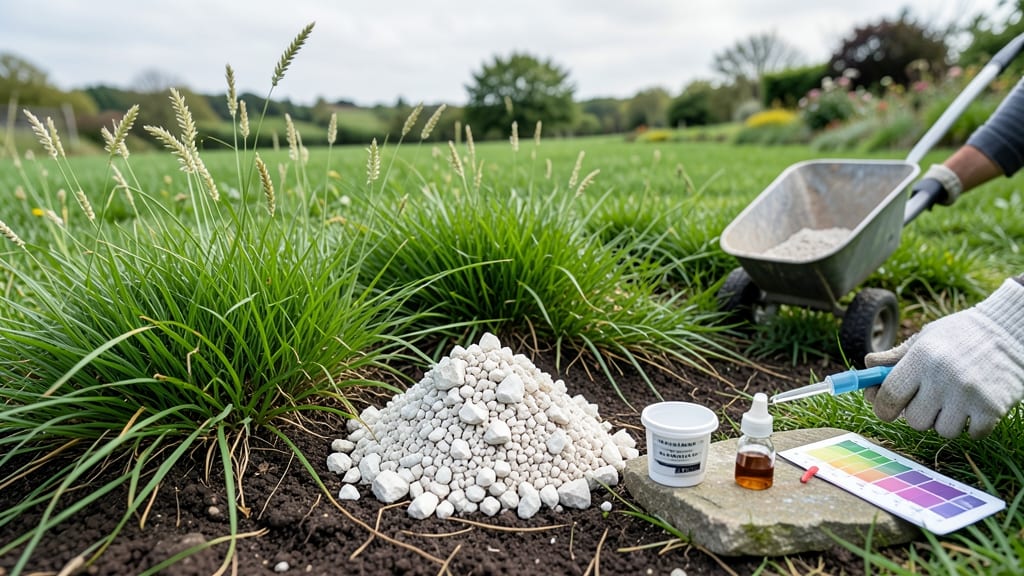
To put lime in your garden at the right time means healthier soil and happier plants 🌱—but one wrong move can lock you out of the growing season.
Struggling with yellowing leaves, stunted growth, or soil that feels too sour? Adding lime to your garden at the right time can transform your plants—but timing is everything for maximum effectiveness. Too early, and it won’t take hold; too late, and your plants miss the benefits entirely.
Most gardeners swear by early spring or fall as the ideal windows, but your local climate can shift that by weeks. In Zone 6a, for example, applying lime in late winter (before the last frost) gives it months to blend into the soil before planting season kicks off.
Below, I’ll walk you through how to test your soil, when to act based on pH levels, and the three biggest mistakes that waste lime (and money). By the end, you’ll know exactly when to reach for that bag—without guessing.
The best time of year to apply lime for optimal soil pH balance
If your azaleas look tired, your blueberries refuse to fruit, or your hydrangeas won't turn blue, your soil might need lime—but timing matters more than you think. Applying lime at the wrong time can waste money and even harm your plants.
The key is understanding when your soil is ready to absorb lime effectively, which depends on seasonal soil temperatures and plant growth cycles.
Most gardeners swear by two ideal windows: early spring (just before planting) or early fall (before winter dormancy). These periods give lime time to work its magic before your plants need it most.
But climate plays a role too—warmer regions might extend the window, while colder zones need to act faster. Let’s break down the science behind the best times and how to adapt for your garden.
⚠️ NON-NEGOTIABLE: Always test your soil pH first! Lime raises pH, so if your soil is already neutral (6.0–7.0), you might not need it at all. For acid-loving plants, aim for pH 4.5–5.5, while most vegetables thrive at 6.0–7.0.
| Time of Year | Soil Temperature | Best For | Absorption Rate |
|---|---|---|---|
| Early Spring (Feb–March) | 40–50°F (4–10°C) | Vegetables, annuals, spring planting | Moderate (3–6 weeks) |
| Early Fall (Sept–Oct) | 50–60°F (10–15°C) | Perennials, shrubs, winter prep | Fast (2–4 weeks) |
| Late Winter (Jan) | 32–40°F (0–4°C) | Dormant plants, lawns | Slow (6–8 weeks) |
| Avoid: Summer (June–Aug) | 70°F+ (21°C+) | None (lime burns roots) | 0% (toxic risk) |
Early spring is my top pick for most gardeners because it gives lime time to dissolve and adjust soil pH before planting season kicks off. Think of it as a pre-season tune-up for your soil.
For example, if you’re planting tomatoes or peppers in April, apply lime in February to ensure the pH is perfect by planting time. The cooler soil speeds up absorption, but not too fast—just enough to avoid shocking your plants.
Fall application works wonders for perennials and shrubs like hydrangeas, which need time to adjust before winter dormancy. The 50–60°F soil temperature in early fall is ideal because it balances absorption speed and plant activity.
Pro tip: If you live in a warm climate (Zone 8+), aim for September to avoid summer heat stress.
Climate zones matter! In cold climates (Zones 3–5), late winter (January) is a backup option, but absorption is slower due to frozen ground. In tropical zones (Zones 10–11), early fall is the only safe window—summer heat can make lime toxic to roots.
Always check your USDA zone and local frost dates to plan accordingly.
One common mistake? Applying lime in summer. When soil temperatures exceed 70°F (21°C), lime can burn plant roots and cause more harm than good. I’ve seen gardeners rush to fix yellowing leaves in July with lime, only to end up with wilting plants and wasted money.
If you must act in summer, opt for sulfur to lower pH instead.
For acid-loving plants, like blueberries and azaleas, timing is critical. These plants thrive in pH 4.5–5.5, so apply lime in early spring if your soil tests higher.
But here’s the catch: lime raises pH, so you’ll need to monitor closely. Use a soil pH test kit every 3–6 months to keep levels in check.
Ready to act? Grab a garden lime spreader and apply 0.5–2 lbs of lime per 100 sq ft, based on your soil test. Work it into the top 2–3 inches of soil, then water lightly to help it settle.
Avoid applying lime within 6 inches of plant stems to prevent root damage.
Remember, lime isn’t a quick fix—it takes time to work. Patience pays off with healthier soil, better nutrient uptake, and plants that finally thrive. Start with the right timing, and you’ll see the difference in just one growing season! 🌱
How to test your soil and determine when lime is truly needed
Before adding lime to your garden, you need to know your soil pH level. Most plants thrive in slightly acidic to neutral soil, but acid-loving plants like blueberries and azaleas need different conditions. A simple soil test will tell you whether lime is necessary—and how much to use.
You can test your soil using DIY home kits (affordable and quick) or send samples to a professional lab for precise results. Home kits typically cost $10–$20 and provide results in 24–48 hours, while lab tests cost $15–$30 but offer detailed insights into soil nutrients and texture.
When to Put Lime in Your Garden
✅ DO Apply Lime When:
- Soil pH is below 6.0 (tested with kit or lab)
- Plants show yellowing leaves (chlorosis)
- You’re planting lime-sensitive crops (e.g., azaleas, blueberries)
- Soil feels sour or compacted (common in clay soils)
❌ DON’T Apply Lime When:
- Soil pH is above 7.0 (alkaline conditions)
- Plants are stressed or newly transplanted
- You’ve applied lime in the past 6–12 months
- Soil is sandy or well-draining (lime washes away quickly)
🌱 Pro Tip: For acid-loving plants, aim for pH 4.5–5.5—lime will raise pH, so use sparingly!
If your soil test reveals a pH below 6.0, lime is likely needed. For example, azaleas thrive at pH 5.0–5.5, while blueberries need 4.5–5.0.
Use pelletized lime for even distribution and less waste. Always follow package instructions for application rates, which typically range from 0.5–2 lbs per 100 sq ft.
For accurate results, test soil in multiple spots (especially if your garden has varied plant types). Mix samples from 6–10 inches deep to account for subsoil conditions. If your garden has patchy pH levels, test each area separately and amend accordingly.
Once you’ve determined lime is needed, apply it in early spring or fall when soil is moist but not frozen. Avoid applying lime during hot, dry spells, as it can burn plant roots. Water lightly after application to help lime integrate into the soil.
Remember, lime takes 2–3 months to fully adjust soil pH. Retest your soil in 6 months to ensure you’ve reached the ideal range for your plants. Over-liming can be just as harmful as under-liming, so always follow soil test recommendations.