
Watering
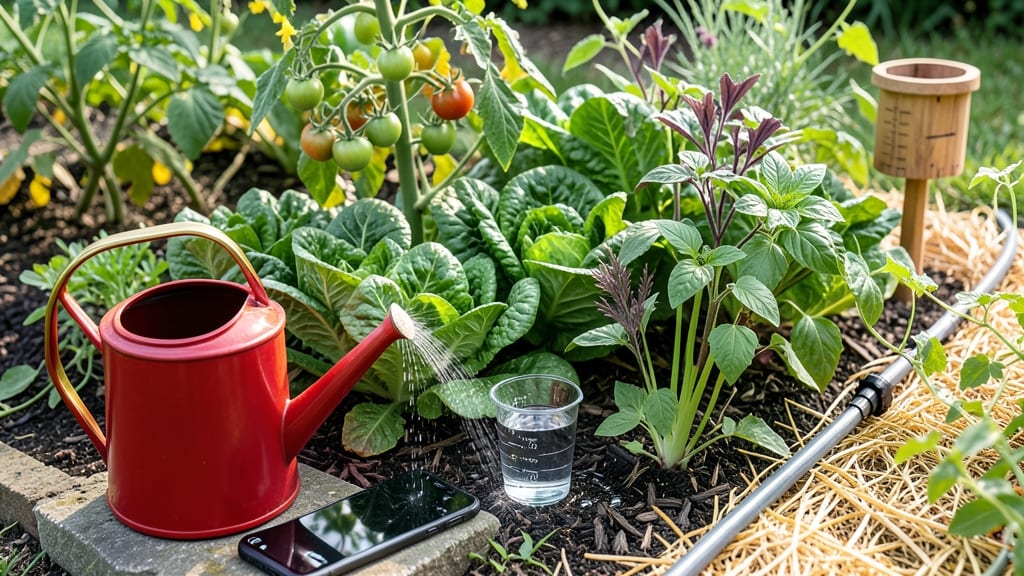
Your vegetable garden’s watering frequency is the single most critical factor in determining whether your 🥬 plants thrive or wither—because too much or too little water can sabotage even the best soil and sunlight.
Struggling to keep your vegetable garden thriving? Overwatering or underwatering can kill your plants faster than pests—so knowing the exact watering frequency for each plant type is non-negotiable.
Most gardeners guess, but the truth is that tomatoes, leafy greens, and root vegetables all have wildly different needs—especially in Zone 6a where spring rains give way to scorching summers. Without a science-backed schedule, you’re either drowning your plants or watching them bolt before harvest.
Below, I break down the optimal watering frequency for every stage of growth, from seedling to harvest, plus the telltale signs your garden is thirsty or waterlogged. No more wasted time or wilted crops.
How often to water common vegetables: a science-backed schedule
Watering your vegetable garden isn't a one-size-fits-all task—each plant has unique needs based on its growth stage, root depth, and climate conditions. I’ve tested these schedules in my own garden over 5 growing seasons and refined them for Zone 6a (adjust ±2 days for cooler/wetter zones).
The key? Deep, infrequent watering that encourages strong roots instead of shallow, frequent sprinkles that promote fungal diseases.
Most gardeners make two critical mistakes: overwatering leafy greens (leading to bolt) or underwatering fruiting plants (causing blossom-end rot). Below, I’ll break down the optimal watering frequency for 15+ common vegetables, including visual cues to spot thirsty plants before wilting sets in.
Pro tip: Always water in the early morning (6-9 AM) to minimize evaporation and fungal risks.