
Fertilization
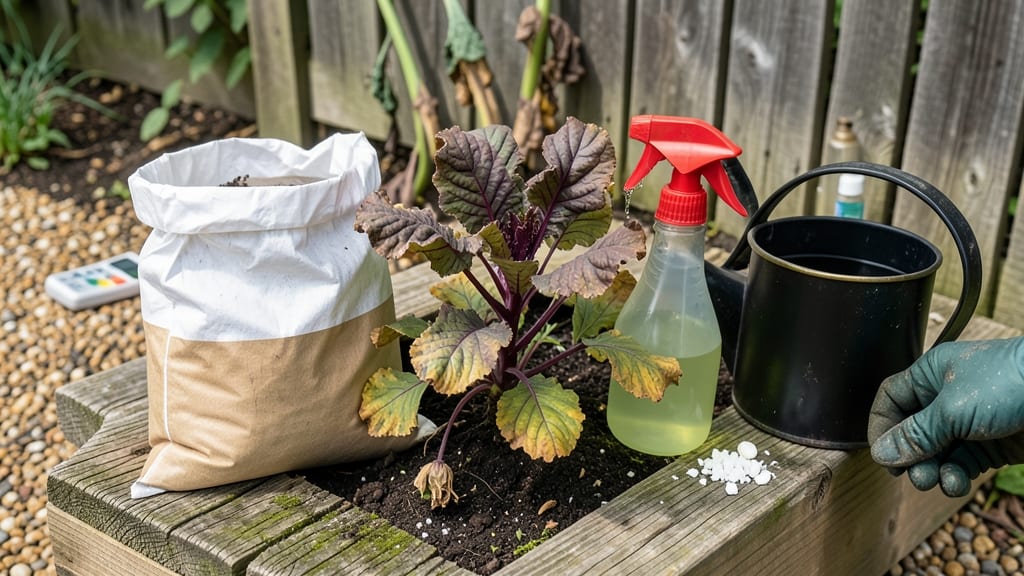
Calcium for garden prevents blossom end rot in tomatoes, strengthens cell walls, and improves plant resilience by addressing calcium deficiencies in soil. Use crushed eggshells, lime, or gypsum for organic solutions, and apply evenly during planting or as a foliar spray.
Adding calcium to your garden isn't just about fixing those unsightly brown bottoms on tomatoes—it's about giving plants the structural support they need to thrive. 🌱 When soil lacks calcium, plants struggle to form strong cell walls, leading to weak stems, poor fruit development, and that classic blossom end rot symptom.
I've seen firsthand how a simple application of crushed eggshells can transform struggling tomato plants within weeks, not just stopping the rot but also boosting overall vigor.
Most gardeners overlook calcium because they focus on nitrogen or phosphorus, but it's equally critical. The key is choosing the right source—lime raises soil pH while supplying calcium, while gypsum adds calcium without altering acidity.
For container plants, a foliar spray with calcium nitrate gives fast results when roots can't access enough from the soil.
💡 In This Article
- How Calcium Prevents Blossom End Rot in Plants
- Best Organic Calcium Sources for Garden Soil
How calcium prevents blossom end rot in plants
Calcium acts as the structural glue in plant cell walls, forming cross-links between pectin molecules that hold cells together. When plants lack calcium, these cross-links weaken, causing cell walls to collapse—especially in fast-growing fruits like tomatoes.
Blossom end rot occurs because calcium can't move quickly enough from older leaves to developing fruit during periods of rapid growth or stress (like drought or temperature swings). This creates a visible brown, leathery patch at the blossom end, where calcium demand is highest.
The transport system for calcium is passive—plants absorb it through roots via mass flow (water movement) and then distribute it through the xylem, but only when water is available. This is why blossom end rot often appears during dry spells or after heavy watering followed by drought.
Unlike mobile nutrients like nitrogen, calcium isn't redistributed from old leaves to new growth, making deficiencies appear first in new tissue. 🌿 A soil test showing calcium levels below 1,000 ppm (parts per million) typically indicates a deficiency risk.
What makes calcium deficiency symptoms distinct is their pattern: blossom end rot appears on tomatoes, while peppers show similar spots on fruit shoulders. Leaf symptoms include distorted new growth or cupping, but these are less common than fruit issues.
The confusion often comes from mistaking calcium deficiency for boron deficiency (which causes blackened spots) or magnesium deficiency (yellowing between leaf veins). The key difference? Calcium issues always target new growth areas first, while other deficiencies affect older tissue.
Temperature plays a surprising role—calcium uptake drops below 50°F and above 95°F. This explains why blossom end rot flares in summer heatwaves or spring cold snaps.
The solution isn't just adding calcium; it's ensuring consistent moisture (but not waterlogging) and maintaining soil pH between 6.0-7.0, where calcium is most available. I've seen gardeners add calcium-rich amendments only to watch rot persist because they didn't address these environmental factors.
Here's what actually happens at the cellular level: calcium binds to pectin in the middle lamella (the "glue" between cells), stabilizing the structure. Without it, cells separate and collapse under osmotic pressure, creating those characteristic sunken lesions.
The rot spreads because the damaged tissue becomes entry points for pathogens. 🔥 This is why prevention—through regular calcium applications and proper watering—is far more effective than treating symptoms after they appear.