
Size
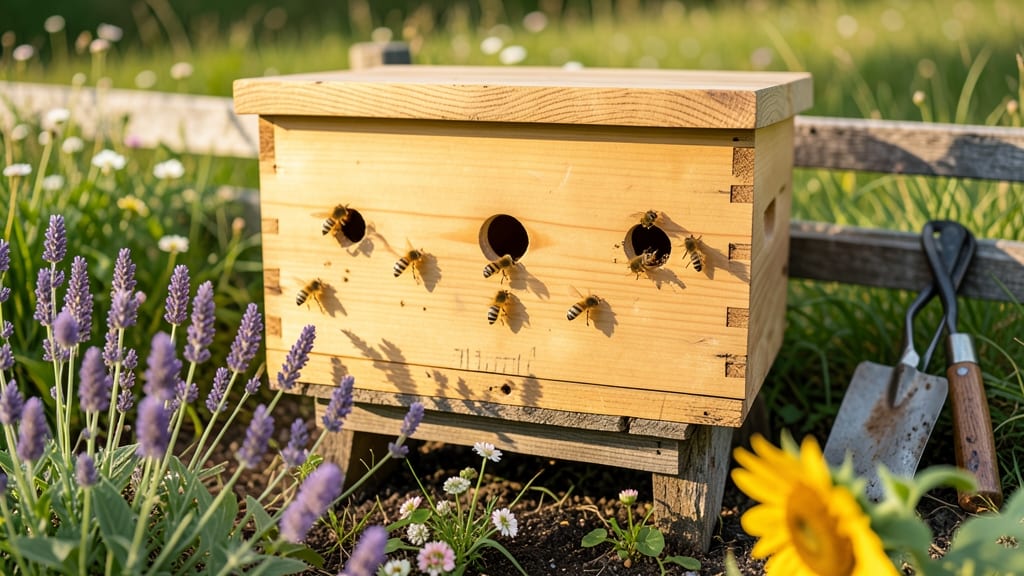
The bee crate in Grow a Garden creates a safe nesting environment for solitary bees, which dramatically increases pollination rates for fruits, vegetables, and flowers while strengthening plant resilience through natural fertilization.
The bee crate essentially acts as a pollinator hotel, offering protected tunnels where solitary bees like mason bees and leafcutter bees can nest undisturbed. 🌿 These bees are far more efficient pollinators than honeybees—some species can pollinate up to 90% of a plant's flowers compared to honeybees' 10-15%.
The crate's design mimics natural cavities in wood or stems, giving bees a reliable place to raise their young while they work your garden.
Beyond just attracting bees, the crate's placement near flowering plants creates a pollination ecosystem that boosts yields by up to 30% for crops like tomatoes, peppers, and berries. The key is positioning it where bees can easily access their favorite blooms while keeping it sheltered from wind and predators.
Most gardeners see noticeable differences within a single season once the bees establish their colonies.
💡 In This Article
- How the Bee Crate Enhances Pollination in Gardens
- Setting Up a Bee Crate for Maximum Garden Benefits
How the bee crate enhances pollination in gardens
Solitary bees—like mason bees and leafcutter bees—are nature's super pollinators, often outworking honeybees by 10-15x in efficiency. These bees don't live in colonies; instead, they nest individually in pre-existing cavities like hollow stems or drilled wood.
The bee crate replicates these natural conditions with 1/4-inch diameter tunnels filled with nesting material, creating an ideal environment for them to lay eggs and pollinate your garden simultaneously. 🔥
Here's the science: when a female solitary bee enters the crate to nest, she collects pollen on her body while foraging. Each trip to a flower deposits pollen more precisely than honeybees, thanks to their fuzzy bodies and solitary nature.
Studies show solitary bees can pollinate up to 90% of a plant's flowers compared to honeybees' 10-15% efficiency. This direct transfer of pollen leads to stronger fruit set, larger vegetables, and more abundant blooms—especially for crops like tomatoes, blueberries, and squash, which rely on precise pollination.
The crate's design also addresses a critical gap: many gardens lack natural nesting sites for solitary bees. Urbanization and pesticide use have reduced their habitats by 70% in some regions, making the crate a lifeline.
By providing shelter, you're not just attracting bees—you're creating a self-sustaining pollination ecosystem. The bees thrive, your plants flourish, and the cycle continues year after year with minimal maintenance. 🌿
What most gardeners don't realize is how the crate's placement amplifies its effect. Positioning it near flowering plants ensures bees have easy access to nectar and pollen while nesting. For example, placing a crate 3-5 feet from a blueberry bush can increase fruit production by 20-30% in a single season.
The key is proximity—bees prefer to minimize travel time between nesting and foraging, which maximizes their pollination efficiency.
Beyond yield, the bee crate improves plant health by reducing stress from poor pollination. When flowers aren't properly pollinated, plants often drop blooms or produce smaller, misshapen fruits. With the crate's help, your garden becomes a pollinator paradise where every flower has a better chance of becoming fruit.
This is especially valuable for heirloom varieties and organic gardens, where chemical interventions are avoided. 🌸
Consider this: a single mason bee can pollinate the equivalent of 100 honeybees in the same time. That means fewer bees are needed to achieve the same results, reducing the strain on pollinator populations.
The crate doesn't just help your garden—it supports the broader ecosystem by giving solitary bees a safe haven to thrive.