
Container Gardens
💥 Quick Answer
The botanical gardens in Philly offer year-round beauty, from the iconic spring blooms at the Pennsylvania Horticultural Society’s Mount Pleasant Gardens to stunning autumn foliage displays at Longwood Gardens, along with lesser-known treasures like the Barbara B. Wood Garden, where rare plant collections and tranquil woodland trails create a peaceful escape.
The botanical gardens in Philly are a living calendar, transforming with each season. 🌿 The Pennsylvania Horticultural Society’s Mount Pleasant Gardens bursts into life in spring with peonies and azaleas, while Longwood Gardens delivers fiery autumn hues that draw crowds from miles away.
But the real magic lies in the hidden spots: the Barbara B. Wood Garden’s rare plant collections—like its prized Japanese maples—thrive in shaded woodland settings, offering a quieter connection to nature. These gardens aren’t just pretty; they’re carefully curated ecosystems where horticultural science meets public enjoyment.
What sets Philly’s gardens apart is their blend of grandeur and intimacy. The Smith Memorial Playhouse Gardens features intricate topiary art that looks like it belongs in a storybook, while Morris Arboretum’s conifer collection introduces visitors to towering evergreens that defy winter’s chill.
Each garden has its own rhythm—spring’s delicate blooms, summer’s lush perennials, and winter’s structured evergreens—making them worth revisiting year after year. 🌸
💡 In This Article
- Seasonal Blooms and Plant Collections in Philly Gardens
- Hidden Trails and Lesser-Known Philly Garden Spots
Seasonal blooms and plant collections in Philly gardens
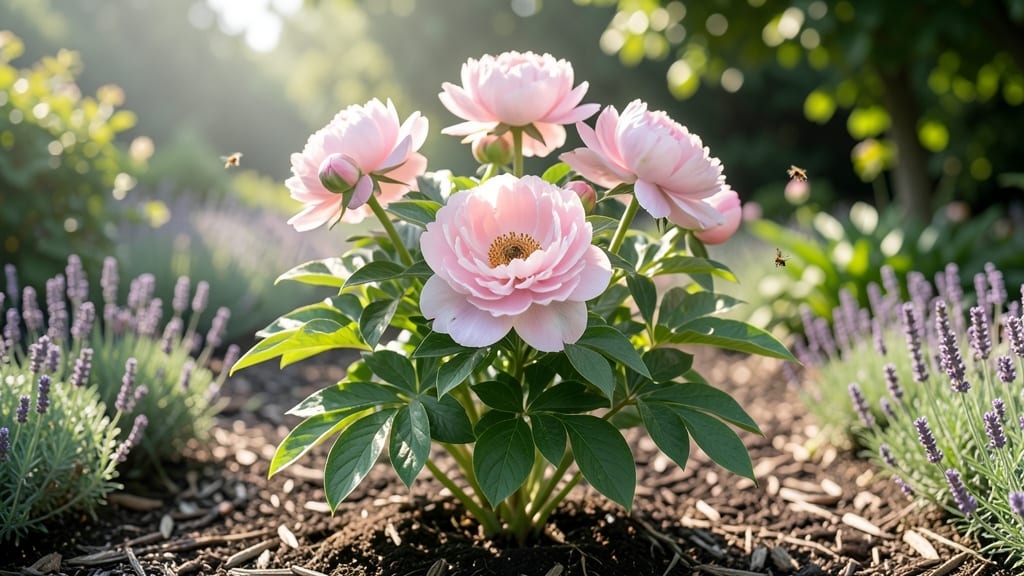
The vibrant transformations in Philadelphia's botanical gardens happen through careful horticultural science. Spring's spectacle at Mount Pleasant Gardens begins with 20+ varieties of peonies, whose large, fragrant blooms emerge after 5-7 years of cultivation from dormant buds.
These perennials thrive in well-drained soil with 6-8 hours of sunlight daily, creating a visual explosion of colors ranging from coral to deep magenta. The garden's hosta collection—with over 150 varieties—showcases foliage that changes from emerald to golden hues as temperatures rise.
Summer's heat triggers the growth of daylilies and black-eyed Susans, which flourish in Philly's humid climate due to their drought-resistant properties. These perennials feature 3-5 inch blooms that attract pollinators like monarch butterflies, supporting local ecosystems.
The Japanese maples at Barbara B. Wood Garden develop their iconic red foliage through a process called anthocyanin production, which intensifies when daytime temperatures reach 75-85°F while nights stay cool. These trees require acidic soil (pH 5.0-6.0) to prevent chlorosis, a condition that turns leaves yellow.
Autumn's foliage displays at Longwood Gardens result from selective breeding programs that enhance color intensity. The garden's 1,000+ oak trees produce brilliant red and orange leaves through carotenoid pigments that become visible as chlorophyll breaks down.
Visitors can observe this process up close along the 1-mile Meadow Walk, where temperature-sensitive plants like smoke bushes turn from green to fiery pink when nights drop below 50°F. This seasonal change creates a 3-week peak viewing window in October.
Winter's evergreen collections at Morris Arboretum maintain their color through needle retention strategies. The garden's 40+ conifer species include blue spruce and Japanese cedar, whose waxy needles contain abscisic acid that prevents water loss during freezing temperatures.
These trees require well-drained soil to avoid root rot, a common issue in Philly's clay-heavy subsoil. The arboretum's holly collection features 150 varieties that produce berries through a process called fruit set, triggered by 12-hour daylight periods in late summer.
What makes these gardens unique is their layered planting approach. Each season's display builds upon the previous one, creating continuous visual interest. For example, spring's tulips (10,000+ bulbs) are planted in 6-inch deep beds with compost-enriched soil to ensure robust growth.
Summer's hydrangeas thrive in morning sun and afternoon shade, while autumn's maples are strategically placed along water features to enhance their reflective beauty. This careful planning ensures each garden remains a year-round destination rather than a seasonal attraction.
For visitors interested in the science behind these displays, many gardens offer guided horticulture tours that explain these processes in detail. The Pennsylvania Horticultural Society even provides soil testing kits for $15 at their visitor centers, allowing guests to understand why certain plants thrive in specific locations.
This hands-on approach makes the gardens both beautiful and educational experiences. 🌿