
Tools
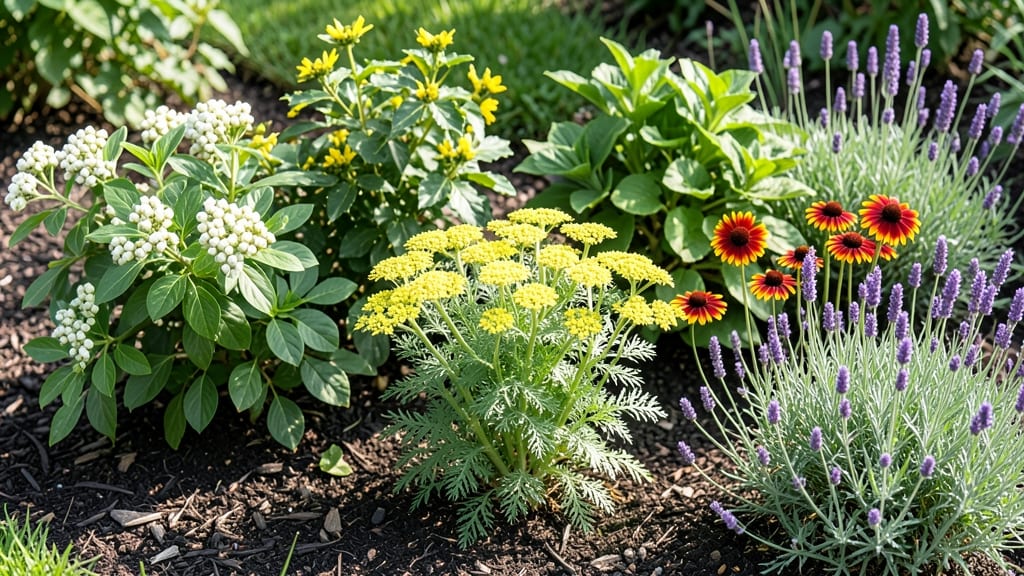
Garden in Vancouver, WA, requires a smart seasonal planting calendar that matches its unique maritime climate, featuring hardy perennials like hostas and heucheras, cool-weather vegetables for spring and fall, and drought-resistant native plants such as Oregon grape and sword fern. The city’s varied microclimates—from urban heat pockets to shaded river valleys—mean you’ll need to adjust planting zones and use windbreaks near the Columbia River to protect frost-sensitive plants.
Vancouver’s gardening success hinges on understanding its zone 8a climate and microclimates that shift dramatically across just a few blocks. 💫 For example, urban areas can be 5-10°F warmer than rural spots, while river valleys experience delayed spring frosts.
I’ve found that grouping plants with similar needs—like pairing drought-tolerant lavender with Oregon grape—creates natural windbreaks while conserving water. The key is observing your specific yard’s conditions for at least a season before making big planting decisions.
Spring is your prime window for cool-season crops like peas and lettuce, while summer’s heat calls for shade-loving plants and evening watering routines. Native plants like sword fern thrive year-round with minimal intervention, making them perfect for low-maintenance gardeners.
Don’t overlook winter interest plants like hellebores—they add color when most gardens go dormant.
💡 In This Article
- Vancouver WA’s Unique Microclimates and Plant Hardiness Zones
- Seasonal Planting Schedule for Vancouver WA Gardens
Vancouver WA’s unique microclimates and plant hardiness zones
Vancouver’s diverse geography creates microclimates that can shift temperatures by 5-10°F within just a few blocks.
The Columbia River moderates coastal influences, while urban sprawl traps heat in concrete canyons—creating "urban heat islands" that can be 3-5°F warmer than surrounding areas. 🌿 The city’s elevation changes, from river valleys to hilltops, further complicate planting decisions.
For instance, low-lying areas near the river may experience late spring frosts (after April 15), while higher elevations can see earlier hard freezes.
Plant hardiness zones in Vancouver primarily fall under zone 8a (10-15°F average minimum), but microclimates demand adjustments. Frost pockets near the river or in shaded gullies can drop to 20°F or lower, while sunny urban yards may stay above 25°F.
This is why frost-sensitive plants like citrus or bougainvillea need winter protection—even in zone 8a. I’ve seen bougainvillea survive winters when wrapped in burlap and mulched heavily, while unprotected plants struggle.
Wind exposure near the Columbia River creates another challenge. Strong winds from the northwest can desiccate plants and damage tender foliage. Native plants like Oregon grape and sword fern handle these conditions naturally, but delicate perennials need windbreaks.
A simple 6-foot tall evergreen hedge or even a row of bamboo can reduce wind damage by 70%. Mulching with 3-4 inches of wood chips also helps insulate roots from temperature swings.
The urban heat island effect isn’t just about warmth—it also extends the growing season. In my own yard, tomatoes ripen 2 weeks earlier in sunny urban spots compared to shaded garden beds.
This means you can plant heat-loving veggies like peppers and eggplants 2-3 weeks earlier in warm microclimates. However, this also increases water needs, so drip irrigation systems work best for urban gardens.
Soil pH varies dramatically too. Urban areas often have alkaline soil (pH 7.5-8.0) due to concrete runoff, while natural areas near the river remain acidic (pH 5.5-6.5). This affects plant selection—blueberries thrive in acidic soil but struggle in urban yards unless amended with sulfur.
Testing your soil’s pH and adjusting with organic amendments is a game-changer for plant success.
For gardeners new to Vancouver, start by mapping your yard’s sun exposure, wind patterns, and soil type. A simple week-long observation of morning frost pockets and afternoon heat zones will reveal your unique microclimate.
This knowledge lets you group plants with similar needs—like pairing drought-tolerant lavender with Oregon grape—and create a low-maintenance garden that thrives year-round. 💫