
Container Gardens
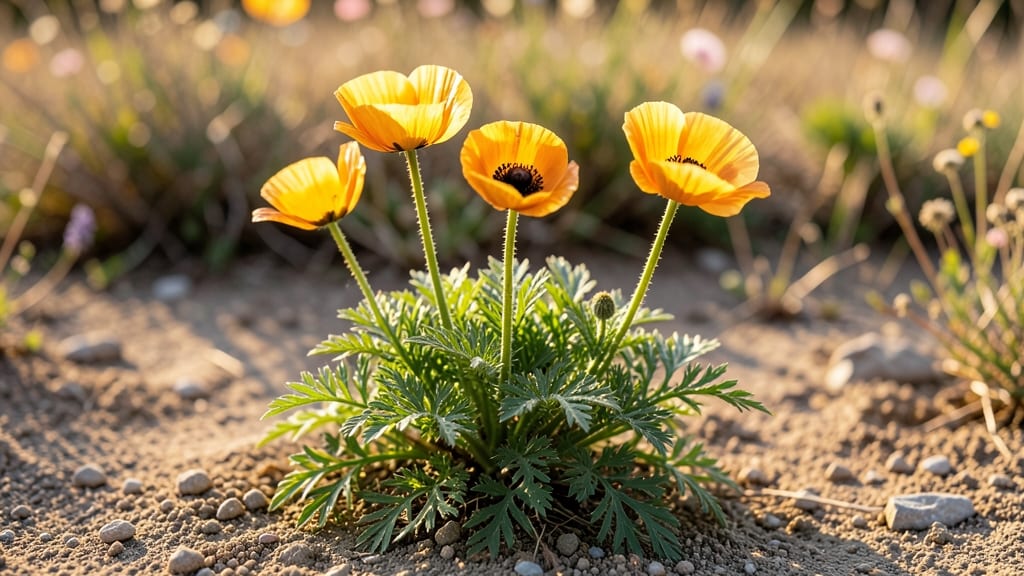
Exploring botanical gardens in Pasadena reveals stunning collections like the Huntington Library, Art Museum, and Botanical Gardens, featuring desert landscapes, Japanese gardens, and exotic orchids. Don’t miss Descanso Gardens and Pasadena Botanic Garden, both showcasing vibrant seasonal displays and expertly curated plant exhibits.
Pasadena’s Mediterranean climate creates the perfect backdrop for these gardens, allowing them to thrive with drought-resistant plants like cacti and succulents alongside lush temperate trees. 🌵 The city’s microclimates enable unique ecosystems—think of the Huntington’s arid desert collection or the tranquil Japanese gardens at Descanso.
Each spot offers a distinct experience, from the iconic rose gardens to hidden trails like the Moon Garden at Descanso, where night-blooming flowers shine under moonlight.
For the best experience, visit during spring or fall when blooms are at their peak and crowds are lighter. Weekday mornings often provide the ideal lighting for photography, while family-friendly areas like the Children’s Garden at Pasadena Botanic Garden make it a great outing for all ages.
Pro tip: Check seasonal events—some gardens host guided tours or themed displays that highlight rare species you won’t find elsewhere.
💡 In This Article
- How Pasadena’s Climate Shapes Its Unique Botanical Gardens
- Best Times and Tips for Visiting Pasadena Botanical Gardens
How Pasadena’s climate shapes its unique botanical gardens
Pasadena’s Mediterranean climate—marked by warm, dry summers and mild, wet winters—creates the ideal conditions for a stunning diversity of flora. The region’s 1,000-1,500 hours of sunshine annually and low humidity (typically 50-70%) allow drought-resistant plants like cacti and succulents to thrive without supplemental irrigation.
This climate mirrors that of the Mediterranean Basin, which is why you’ll find iconic species such as agave, oleander, and bougainvillea flourishing in these gardens. 🌵 The Huntington’s desert collection, for example, showcases over 1,500 cactus and succulent species, many of which are native to similar arid environments.
The seasonal shifts in Pasadena also trigger spectacular blooms. Spring (March-May) brings vibrant displays of roses, camellias, and wisteria, while fall (September-November) features maples, chrysanthemums, and ornamental grasses turning golden.
The 15-20 inches of annual rainfall concentrates in winter, replenishing soil moisture just enough to support both drought-tolerant and temperate plants.
This balance is what allows gardens like Descanso to feature both a Japanese garden with serene koi ponds and a Moon Garden filled with night-blooming jasmine and evening primrose.
Microclimates within these gardens further amplify biodiversity. The Huntington’s elevation of 500-600 feet creates cooler, foggy mornings in its higher sections, perfect for moisture-loving ferns and temperate trees like redwoods and sequoias. Meanwhile, lower areas near the San Gabriel Mountains capture afternoon breezes, reducing heat stress on delicate blooms.
This natural climate control lets curators mix over 17,000 plant species in the Huntington’s collections, from Mediterranean lavender to tropical orchids, all while maintaining ecological harmony.
What most visitors don’t realize is how these climate factors influence plant health and longevity.
The Huntington’s 100-year-old olive trees, for instance, thrive because their deep root systems access groundwater during dry spells, while the Japanese garden’s maples benefit from Pasadena’s mild winters, avoiding the frost damage common in colder climates.
Even the Pasadena Botanic Garden’s native California collections—like toyons and manzanitas—demonstrate how local ecosystems have adapted to these precise conditions over millennia. 🌿
For gardeners or plant enthusiasts, this climate offers valuable lessons. The ability to grow both citrus and cypress trees side by side (as seen at Descanso) proves how Mediterranean climates can support seemingly opposite plant types.
The key is understanding sun exposure, soil drainage, and seasonal water needs—principles that apply whether you’re designing a backyard garden or visiting these world-class collections. The Huntington’s drip irrigation systems, for example, mimic natural rainfall patterns, reducing water waste by up to 30% compared to traditional sprinklers.
Seasonal variations also dictate the best times to explore. Spring’s 60-70°F temperatures make it ideal for walking through the Huntington’s rose garden, while fall’s crisp air and golden light enhance photography in Descanso’s autumn foliage displays.
Even winter’s cooler 50-60°F days offer advantages—fewer crowds and the chance to see camellias in bloom, which typically flower between December and February. This climate isn’t just a backdrop; it’s the reason these gardens feel so alive year-round. ✨