
Vegetables
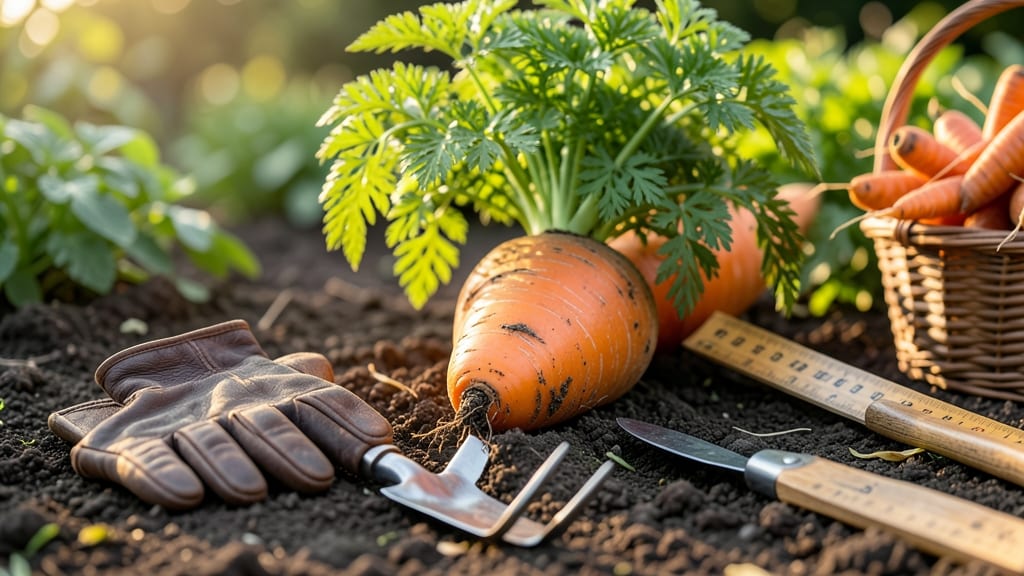
To grow the biggest carrots in your garden, you need well-draining, rock-free soil that's at least 12 inches deep, seeds spaced 2-3 inches apart in rows 12-18 inches apart, and steady watering. Opt for long varieties like ‘Mammoth’ or ‘Danvers’ for maximum root development.
Carrots need space to grow straight and thick, so proper soil prep is everything. 🌱 The right texture—light and crumbly—prevents forking (when roots split), while deep soil lets them stretch without hitting obstacles.
I've found that adding compost before planting boosts nutrient availability, which directly impacts size. Varieties like ‘Autumn King’ or ‘Nantes’ also thrive when given these ideal conditions, often reaching 2+ inches in diameter.
Thinning seedlings to the correct spacing (about 3-4 inches apart) prevents overcrowding, which can stunt growth. 🌿 The key is patience—wait until seedlings are 2 inches tall before thinning, and use small scissors to avoid disturbing roots.
Proper spacing isn't just about size; it also improves airflow, reducing disease risk and letting each carrot access the nutrients it needs to bulk up.
💡 In This Article
- How Soil Composition Affects Carrot Size
- Step-by-Step Spacing and Thinning Techniques
How soil composition affects carrot size
Carrot size is directly tied to soil structure—specifically, how well it allows roots to penetrate and expand. Sandy soil drains too quickly, limiting nutrient uptake, while clay soil compacts easily, restricting root growth.
The ideal texture is a loamy blend: roughly 40% sand, 40% silt, and 20% clay, which balances drainage and water retention. This composition mimics the deep, fertile riverbeds where wild carrots thrive, giving them room to develop their signature elongated shape.
The magic happens in the top 12-18 inches of soil, where most carrot roots grow. If your soil is shallower than 12 inches, roots hit obstacles (like rocks or hardpan) and fork or split.
To test depth, dig a hole—if you hit resistance before 12 inches, amend with 3-4 inches of compost or aged manure. Organic matter also improves soil aeration, which is critical because carrots need oxygen to develop properly. Without it, roots become stunted or develop hollow centers.
Moisture consistency matters just as much as texture. Carrots are 90% water, so uneven watering causes cracks or woody textures. Aim for 1-1.5 inches of water per week, delivered consistently. Drip irrigation works best because it keeps moisture steady at the root zone without surface evaporation.
I’ve seen Mammoth varieties grow 20-30% larger in consistently moist soil compared to dry conditions, where roots become tough and misshapen.
pH levels play a subtle but important role too. Carrots prefer slightly acidic soil with a pH between 6.0-6.8. Below 6.0, aluminum toxicity can stunt growth, while above 7.0, nutrients like phosphorus become less available.
Test your soil before planting—amend with lime to raise pH or sulfur to lower it if needed. A well-balanced pH ensures roots can access all the nutrients they need to bulk up.
One often-overlooked factor is soil temperature. Carrot seeds germinate best when soil reaches 60-70°F. Below 50°F, germination slows dramatically, leading to patchy growth. Use row covers or plant in spring after the last frost to maintain ideal temperatures.
Warmer soil also speeds up nutrient uptake, helping roots grow faster and larger during the growing season.
For maximum size, focus on these three soil conditions: loamy texture, deep depth, and consistent moisture. When these are in balance, varieties like ‘Danvers’ or ‘Chantenay’ can reach 2-3 inches in diameter—double the size of carrots grown in poor soil.
The difference is visible even in early stages: healthy roots grow straight and plump, while stressed roots fork or stay small.