
Vegetables
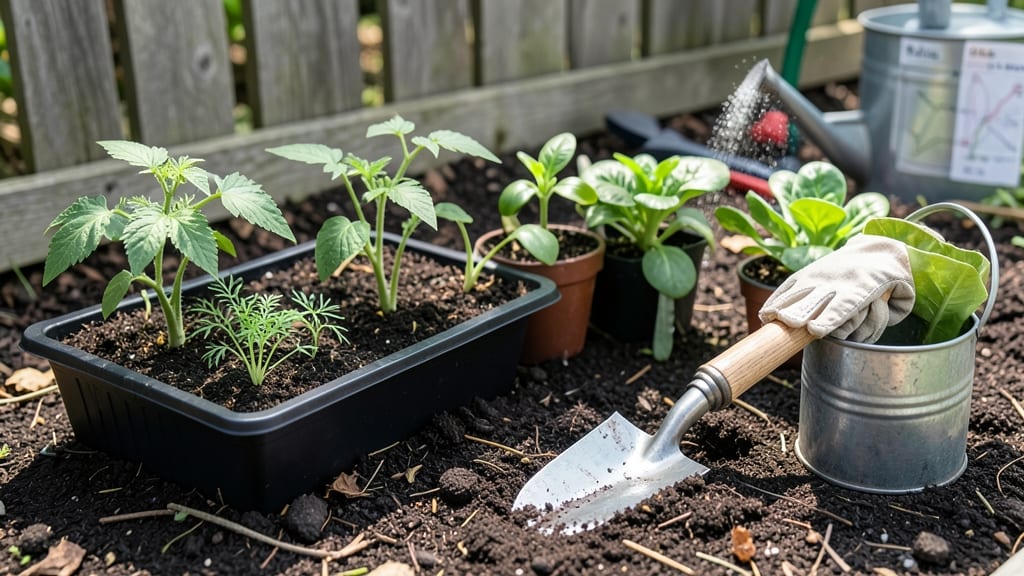
Planting your vegetable garden at the right time means the difference between a thriving 🥬 harvest and months of frustration—so timing is everything for success.
Picture this: you’ve prepped the soil, ordered seeds, and even marked your calendar, only to watch your seedlings wilt because you planted too early. Or worse, your tomatoes bolt before they ripen because you waited too long.
These mistakes happen to even the most eager gardeners, which is why knowing your local planting deadlines is non-negotiable.
Your USDA zone, frost dates, and even the type of vegetables you grow all play a role in determining the best time to plant.
Cool-season crops like lettuce and peas thrive in early spring, while warm-season favorites such as tomatoes and peppers need to wait until after the last frost. But here’s the catch: regional microclimates can shift those deadlines by weeks, making a one-size-fits-all approach a recipe for disappointment.
In this guide, I’ll break down the exact planting windows for your zone, how to adjust for early starts or late summers, and the three biggest mistakes that sabotage gardens every year.
By the end, you’ll know not just when to plant, but how to stretch your growing season for maximum yield—no guesswork required.
USDA planting Zones: when to Start vegetables by region
Understanding your USDA planting zone is the first step to timing your vegetable garden perfectly. These zones—ranging from Zone 1 (Alaska) to Zone 12 (Hawaii)—help predict your last frost date and frost-free season length.
For example, gardeners in Zone 10 can plant year-round, while Zone 3 gardeners face a shorter growing window. Knowing these details ensures you plant cool-season crops (like lettuce and peas) early and warm-season crops (like tomatoes and peppers) only after the soil warms.
Your local frost dates determine when to start seeds indoors or directly sow outdoors. For instance, in Zone 5, the average last frost date is around May 15, while Zone 8 might see its last frost by March 15.
To find your exact dates, check the National Weather Service or use a frost calendar for your city. This precision prevents frost damage to tender seedlings and maximizes your harvest potential.
| USDA Zone | Last Frost Date | Cool-Season Planting | Warm-Season Planting | Frost-Free Days |
|---|---|---|---|---|
| Zones 1-2 | June 1 - June 15 | Start indoors March 1 | After June 15 | 60-90 days |
| Zones 3-4 | April 15 - May 1 | Start indoors March 15 | After May 15 | 120-150 days |
| Zones 5-6 | April 15 - May 10 | Start indoors March 1 | After May 1 | 150-180 days |
| Zones 7-8 | March 15 - April 1 | Direct sow Feb 15 | After March 20 | 180-240 days |
| Zones 9-10 | January 1 - February 15 | Direct sow year-round | Year-round | 240-365 days |
| Zone 11-12 | None (tropical) | Year-round planting | Year-round | 365 days |
In cool climates (Zones 1-6), focus on early spring planting for crops like spinach and kale, which thrive in 40-60°F soil. Use row covers to extend the season and protect seedlings from late frosts.
For warm-season crops, wait until the soil reaches 60°F or warmer—typically after your last frost date. In Zones 7-10, you can often plant warm-season crops like peppers and eggplants as early as February or March, depending on microclimates.
For fall planting, aim to sow cool-season crops like broccoli and carrots 60
Month-by-month planting schedule for high-yield vegetables
Timing is everything in vegetable gardening—plant too early, and frost will kill your seedlings; too late, and you’ll miss peak harvests. My month-by-month schedule ensures you maximize yields for tomatoes, peppers, leafy greens, and root vegetables while aligning with your local climate.
Whether you're aiming for a spring bounty or fall harvest, these deadlines keep your garden productive year-round.
For USDA Zone 6a (like much of the Midwest and Northeast), I’ve structured this guide around last frost dates (April 15) and first frost dates (October 15).
Adjust these timelines 1-2 weeks earlier or later based on your specific microclimate—coastal areas may have milder winters, while inland zones can swing more extreme.
- 🌱 March: Start cool-season crops indoors—lettuce, spinach, kale, and onions. Harden off seedlings by late March for early transplanting.
- 🌱 April: Plant peas, radishes, carrots, and broccoli 4-6 weeks before last frost. Transplant tomato and pepper seedlings after soil reaches 60°F.
- ☀️ May: Sow warm-season staples like beans, cucumbers, and squash. Succession plant leafy greens every 2 weeks for continuous harvests.
- 🌿 June: Focus on tomatoes, peppers, and eggplants. Mulch heavily to retain moisture and prevent soil-borne diseases.
- 🌱 July-August: Direct-sow fall crops like kale, arugula, and turnips for late-season harvests. Start broccoli and cabbage indoors for transplanting in August.
- 🍂 September: Plant garlic, onions, and potatoes for next year. Extend the season with row covers for peppers and tomatoes to delay frost damage.
- ❄️ October-November: Harvest remaining root vegetables before ground freezes. Clean up garden beds and add compost to enrich soil for spring.
Pro tip: Use succession planting for leafy greens like lettuce and spinach—sow new seeds every 2 weeks to ensure a steady supply. This works especially well in spring and fall when temperatures are mild but not extreme.
For root vegetables like carrots and beets, avoid overcrowding by thinning seedlings to 2-3 inches apart once they sprout.
In summer months (June-August), prioritize watering deeply in the morning to prevent fungal diseases like blight, which thrives in damp conditions. My drip irrigation system saves time and delivers moisture right to the roots where it’s needed most.
For tomatoes and peppers, a balanced 10-10-10 fertilizer every 4-6 weeks keeps them producing until the first frost.
Don’t forget about fall harvests—many cool-season crops thrive in the cooler weather of September and October. Plant kale, Brussels sprouts, and radishes for a late-season boost.
If you’re in a warmer climate (Zones 8-10), you can extend your growing season even further by planting winter squash and sweet potatoes in late summer for harvests through fall and winter.
By following this schedule, you’ll avoid the common mistakes of planting too early (risking frost damage) or too late (missing peak harvest windows). Adjust based on your local frost dates and microclimate, and you’ll enjoy a high-yield vegetable garden from spring through fall. Happy planting! 🌱