
Tools
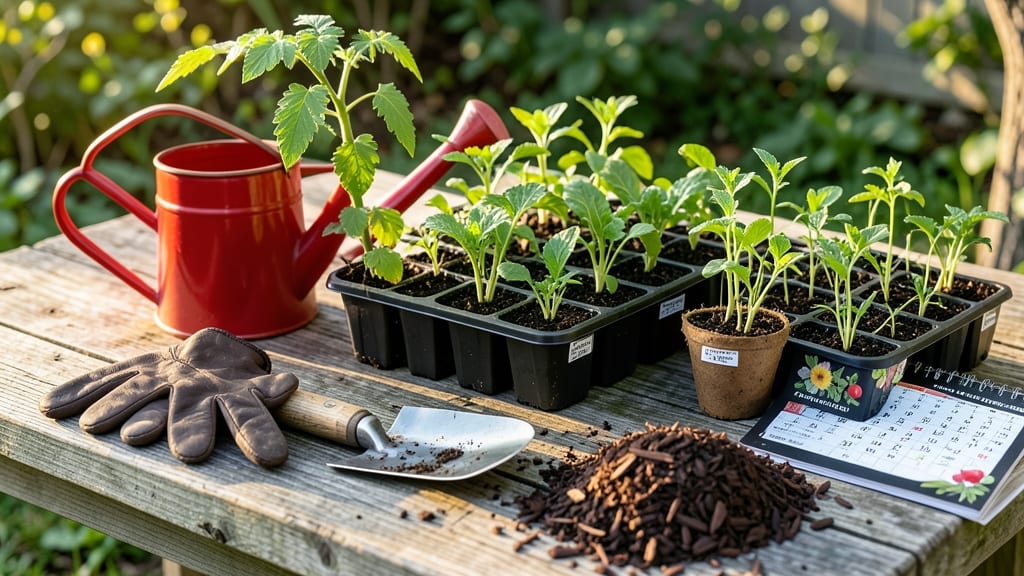
A vegetable garden planting schedule is your roadmap to a bountiful harvest—get the timing wrong, and you’ll end up with sad, underperforming plants or worse, nothing at all.
Timing is everything in gardening—plant your vegetables too early or too late, and you’ll miss the harvest window entirely. This zone-specific planting schedule ensures you maximize yield by aligning your garden with local climate patterns, soil temperatures, and seasonal shifts.
Whether you’re in USDA Zone 6 or another region, knowing when to sow seeds, transplant seedlings, and harvest is the difference between a thriving 🌱 vegetable garden and a frustrating flop.
I’ll break down the best planting windows for cool-season crops like spinach and warm-season favorites like tomatoes, plus how to adjust for early or late seasons.
By the end, you’ll have a clear, actionable plan—no more guessing, no more wasted effort. Let’s get your garden on the right track for a successful harvest!
Zone-specific vegetable planting deadlines by USDA hardiness zone
Getting your vegetable garden's planting schedule right means the difference between a bumper crop and wasted effort. Each USDA hardiness zone has unique frost dates and soil temperature thresholds that dictate when to plant cool-season vs. warm-season crops.
For example, gardeners in Zone 3 face a 150-day growing season, while those in Zone 10 enjoy year-round possibilities. Let’s break down the ideal planting windows for Zones 3-10 to help you time your garden perfectly.
Cool-season crops like kale, spinach, and peas thrive in cooler temperatures, while warm-season favorites such as tomatoes, peppers, and cucumbers need consistent warmth. The key is to plant cool-season crops 4-6 weeks before your last frost and warm-season crops 2-4 weeks after.
Below, you’ll find a comparison table tailored to each zone, including last frost dates and ideal planting windows for both crop types.