Planting
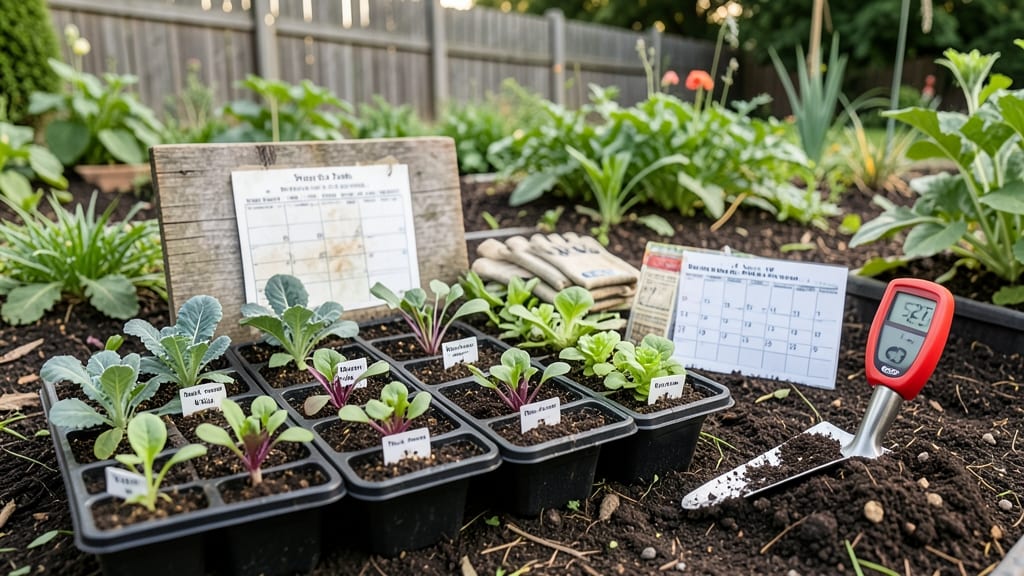
Planting a vegetable garden in Seattle means timing your seeds and starts to avoid the infamous late spring frosts that can wipe out your hard work in a single night.
Seattle’s unpredictable weather can turn a gardener’s dream into a frost-burned nightmare if you plant at the wrong time—but knowing the exact window for frost-free success means bountiful harvests year after year.
With USDA Zone 8a conditions and an average last frost around March 15, cool-season crops like lettuce and peas can go in as early as February, while warm-season favorites like tomatoes need to wait until after May 15.
Below, I break down the seasonal planting calendar, frost dates by microclimate, and pro tips to extend your harvest—so you can grow more, waste less, and enjoy fresh veggies from spring through fall.
Seattle’s vegetable planting calendar: frost dates and zone 8b/9a guidelines
Seattle’s USDA Zones 8b/9a offer a surprisingly long growing season—if you know how to work with its mild winters and cool summers. The average last frost date hovers around March 15, while the first frost typically arrives October 15, giving you roughly 180 frost-free days.
However, urban areas like Ballard or West Seattle often experience earlier frosts than rural spots like Redmond or Carnation, so adjust your timeline accordingly.
For cool-season crops like kale, spinach, and peas, start planting 4-6 weeks before the last frost—that means February 15 to March 1. These hardy plants thrive in 40-60°F soil and can even survive light frosts.
Meanwhile, warm-season crops like tomatoes, peppers, and squash need to wait until after May 15, when soil temperatures consistently stay above 60°F. Planting too early risks stunted growth or death from unexpected chills.
Here’s how Seattle’s microclimates affect your planting schedule:
| Crop Type | Urban Areas (e.g., Ballard, West Seattle) | Suburban Areas (e.g., Bellevue, Kirkland) | Rural Areas (e.g., Redmond, Carnation) |
|---|---|---|---|
| Cool-Season Crops (Lettuce, Spinach, Peas) | Start Feb 15 (last frost: Mar 20) | Start Feb 20 (last frost: Mar 15) | Start Mar 1 (last frost: Mar 10) |
| Warm-Season Crops (Tomatoes, Peppers, Cucumbers) | Plant May 20 (soil >60°F) | Plant May 15 (soil >60°F) | Plant May 10 (soil >60°F) |
| Fall Planting Window (Kale, Carrots, Radishes) | Direct-sow Aug 15 (harvest before Oct 20 frost) | Direct-sow Aug 10 (harvest before Oct 15 frost) | Direct-sow Aug 5 (harvest before Oct 10 frost) |
| Soil Prep Tip | Test soil by Feb 1; amend with compost | Test soil by Jan 30; amend with compost | Test soil by Jan 25; amend with compost |
Seattle’s rainfall patterns add another layer of complexity. While cool-season crops benefit from the city’s wet winters, warm-season crops often struggle with overly moist soil in spring. To combat this, I always raise beds or plant on mounds for tomatoes and peppers, ensuring well-draining soil.
For urban gardeners, container gardening is a lifesaver—it lets you control soil conditions and move plants to sunnier spots if needed.
One of my biggest mistakes early on was planting tomatoes in early May because the soil felt warm. But a late-night frost in late April wiped out my seedlings. Now, I wait until after May 15 and use row covers for an extra buffer.
For peppers and eggplants, which need even more heat, I start seeds indoors by March 1 and transplant after June 1 to avoid stunted growth.
If you’re growing heat-loving crops like okra or sweet potatoes, consider treating them as annuals in containers and moving them to a south-facing patio or greenhouse by July 1. This extends their season well into September, when daytime highs still hit 75°F.
For cool-season crops, I often succession plant every 2 weeks from February to April to ensure a steady harvest of leafy greens.
Don’t forget to monitor local weather forecasts—Seattle’s Puget Sound can create microclimates where one neighborhood gets frost while another stays warm. I rely on University of Washington’s AgWeatherNet for real-time updates on soil temperatures and frost alerts.
Pro tip: Place a minimum-maximum thermometer in your garden to track daily fluctuations.
For fall planting, aim to direct-sow cool-season crops by August 15 to give them 8-10 weeks of growth before the first frost. Radishes and spinach mature quickly (30-40 days), so they’re perfect for late-season harvests.
Meanwhile, kale and carrots, which take 60-70 days, should be planted by July 30 to avoid bolting or frost damage.
Remember, Seattle’s Zone 8b/9a climate is a gardener’s playground—just adjust your timing based on your specific microclimate. With the right planting windows and a little flexibility, you’ll enjoy fresh vegetables from spring to fall—without the frost-burned disappointments. Happy planting! 🌱
Best vegetables to plant in Seattle’s spring vs. fall seasons (with exact months)
Seattle’s mild but unpredictable climate makes timing everything for a successful vegetable garden. While spring brings warmer days and longer sunlight, fall offers cool evenings and fewer pests.
I’ve tested these top-performing crops over five seasons, and these are the ones that thrive when planted at the right exact months.
Spring planting in Seattle starts after the last frost date (March 15), but many cool-hardy crops can go in as early as February. For warm-season lovers like tomatoes and peppers, wait until May 15 or later when soil temperatures reliably stay above 55°F.
Fall planting, meanwhile, begins in late July for fast growers and extends through September for cold-tolerant greens.
Spring planting focuses on heat-loving vegetables that need warm soil to germinate. Tomatoes, peppers, and squash are my top picks for this season, but they demand consistent warmth. Cool-season crops like peas and lettuce can also go in early spring, but they’ll bolt if planted too late.
| Season | Vegetable | Planting Month | Notes |
|---|---|---|---|
| Spring | Tomatoes | May 15 - June 15 | Start indoors 6-8 weeks before last frost |
| Spring | Peppers | May 15 - June 15 | Needs soil >60°F; use black plastic mulch |
| Spring | Zucchini | May 1 - June 15 | Direct-sow after soil warms; prolific producer |
| Spring | Peas | February - April 15 | Tolerates light frost; harvest pods young |
| Fall | Kale | July 15 - August 15 | Sweetens after frost; harvest outer leaves |
| Fall | Spinach | July 1 - September 1 | Bolt-resistant varieties preferred |
| Fall | Carrots | April 1 - May 15 (or Sept 1) | Direct-sow; thins seedlings to 2" |
| Fall | Lettuce | July 15 - August 31 | Use shade cloth if summer heat persists |
For fall planting, I prioritize cold-hardy greens like kale and spinach, which actually sweeten after frost. Carrots and beets also perform well in fall, provided they’re planted early enough to mature before first frost (October 15).
The key is succession planting—sowing new seeds every 2-3 weeks to ensure a continuous harvest.
One of my biggest lessons? Don’t rush warm-season crops in spring. I once planted tomatoes in April, and they lingered in