
Planting
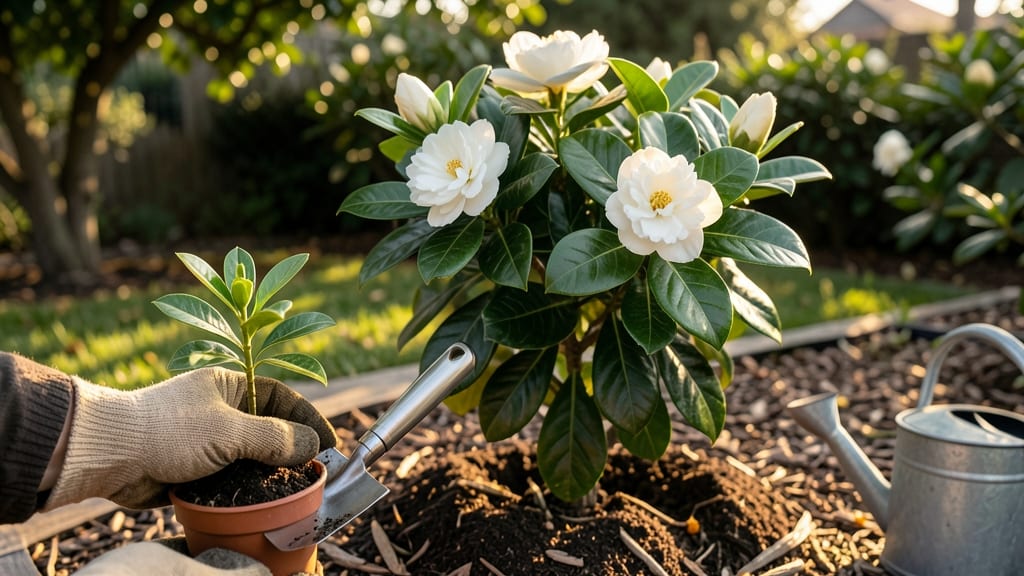
The best time to plant gardenia is when soil temperatures hit 60°F or warmer, unlocking the root growth that leads to those iconic fragrant blooms 🌸.
Struggling to get your gardenia to bloom? The secret isn’t just water or sunlight—it’s planting at the perfect time when soil warmth triggers root growth and floral magic. Get this right, and you’ll enjoy fragrant blooms for years.
In USDA Zone 9b (like Southern California or Florida), that means planting as early as December—no frost to worry about. But in cooler zones like Zone 7, wait until after your last frost date, usually mid-March or later.
Below, I’ll break down the exact timing for your climate, how to test soil readiness, and pro tips to give your gardenia the best start for maximum blooms—no guesswork, just results.
When to plant gardenia based on climate zones and soil temperature
Timing is everything when planting gardenias—these fragrant shrubs thrive only when soil temperatures reach 60-70°F. Plant too early in cool zones, and roots struggle; too late, and you miss the spring bloom window.
Your USDA zone determines the exact moment, but coastal areas often have 2-4 week earlier planting windows than inland regions due to milder microclimates.
For example, in Zone 9b (like Southern California), you can plant gardenias year-round when soil warms, but December-March yields the best results. In Zone 7 (e.g., Virginia), aim for April 15-May 15 after the last frost—typically March 15—to avoid root shock from lingering chill.
Soil temperature is your #1 guide. Use a digital soil thermometer to check 6 inches deep—gardenias won’t thrive until the mercury consistently hits 60°F+.
In Zone 3-5, this might not happen until mid-May, while Zone 10-11 gardeners can plant as early as September for fall/winter blooms.
⚠️ Key Mistake: Planting when soil is below 55°F stunts root growth, leading to leaf drop and no blooms. Always prioritize warmth over calendar dates.
Coastal regions like Southern California or Florida’s Gulf Coast often have warmer soil 2-4 weeks earlier than inland areas at the same latitude. For example, Zone 9a inland might plant in March, while coastal Zone 9a can start in February. Check local NOAA frost-free maps for precise dates.
If your soil won’t warm fast enough, use black plastic mulch or heat mats to raise temperatures by 5-10°F. Container gardeners have an edge—they can move pots to warmer microclimates (like near a south-facing wall) to accelerate root growth.
For Zone 7-9, aim to plant 4-6 weeks before your first 90°F+ heatwave. Gardenias hate afternoon sun in summer, so timing matters to avoid leaf scorch and bud drop. In Zone 10-11, plant in fall (September-October) to establish roots before winter rains.
Pro tip: Soak roots in room-temperature water for 10-15 minutes before planting to reduce transplant shock. Pair this with a 2-inch layer of mulch (pine bark works best) to retain moisture and warmth.
Remember, gardenias are tropical shrubs at heart. The closer you mimic their natural warm, humid conditions, the better they’ll bloom. With the right timing, you
Signs your soil is ready for gardenia planting (and what to do if it’s not)
Gardenia roots thrive when soil temperatures hit 60-70°F—this warmth signals them to grow aggressively and produce those iconic creamy-white blooms. But how do you know when your soil is truly ready? It’s not just about the calendar—it’s about temperature, moisture, and drainage working together.
In USDA Zone 9b, I’ve planted mine in March when the ground warms naturally, but cooler zones may need to wait until May or June.
Start by checking soil temperature with a digital thermometer (or your finger—if it feels like a warm bath, it’s ready). Gardenias hate cold, soggy soil, which can suffocate roots and invite fungal diseases. In-ground plantings need well-draining soil, while containers can warm faster but dry out quicker.
If your soil is still below 60°F, don’t rush—waiting a few weeks can mean the difference between a thriving shrub and a struggling one.
⚠️ CAUTION: Planting Too Early Your gardenia’s roots are delicate and can’t handle chilly soil. If planted before the ground warms, roots may stay dormant or rot, stunting growth for years. Even in Zone 9b, a late frost can set you back.
Use this rule: If your soil feels cooler than your wrist, wait. For containers, soil warms 2-3 weeks faster than in-ground beds, so adjust your timing accordingly. Pro Tip: Cover the soil with black plastic mulch 1-2 weeks before planting to speed up warming.
Moisture is another critical sign. Stick your finger 2 inches deep—if the soil feels damp but not soggy, it’s ready. Gardenias need consistent moisture but hate waterlogged roots. In containers, check daily in hot weather, while in-ground plantings may only need watering every 3-5 days.
If your soil drains poorly (water pools on top), amend it with perlite or compost before planting.
For cooler climates (Zones 7-8), extend your planting window by using heat mats or planting in containers near heat sources (like south-facing walls).
I’ve seen gardenias planted in May in Zone 7 thrive just as well as those planted in March in Zone 9b. The key is soil temperature, not air temperature. If you’re unsure, test a few spots in your yard—soil can vary 10°F or more just a few feet apart.
Once your soil is ready, act fast. Gardenias establish roots quickly when conditions are ideal, but delays can lead to transplant shock. Water deeply after planting to settle the soil, then mulch with 2-3 inches of organic mulch to retain moisture and regulate temperature.
Avoid fertilizing for the first 4-6 weeks—let those roots focus on growing, not blooming.
If your soil isn’t ready yet, don’t despair. Use this time to prepare the area: loosen the soil, add compost or peat moss for acidity, and mark the spot with stakes.
In containers, choose a pot with drainage holes and fill it with a 50/50 mix of potting soil and perlite. Patience now means fragrant blooms later—trust the process! 🌸