
Light Requirements
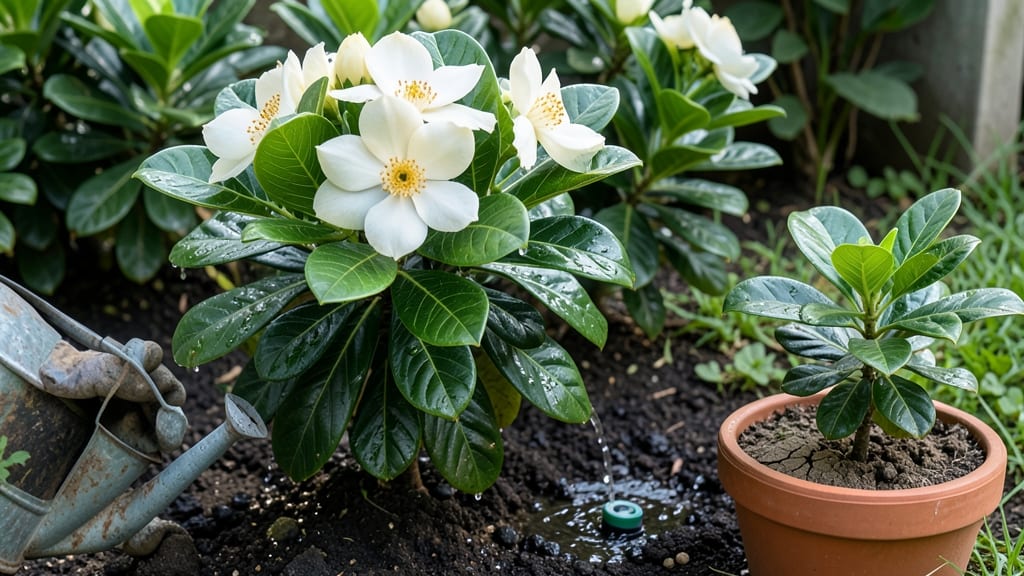
Do gardenias need a lot of water to thrive, but too much water can drown their delicate roots 🌸—and too little leaves you with sad, droopy blooms.
Picture this: You’re watering every day, but your gardenia’s leaves turn yellow and fall off. Or maybe you’ve skipped a few days, and the buds refuse to open. The truth is, gardenias aren’t as high-maintenance as they seem—but they do demand balance.
In this guide, I’ll break down exactly how much water gardenias need, how to tell if you’re overdoing or underdoing it, and pro tips to keep your plant happy year-round.
From soil moisture tests to seasonal adjustments, you’ll learn the simple secrets behind lush foliage and fragrant blooms—without the guesswork.
How much water gardenias actually need (the exact schedule)
Gardenias thrive on consistent moisture but despise soggy roots—this delicate balance is what keeps their glossy leaves and fragrant blooms in peak condition. Unlike drought-tolerant succulents, gardenias demand regular watering, but not the daily drenching many gardeners assume.
The key lies in understanding their root zone's drying cycle and adjusting for seasonal shifts.
Most gardeners mistakenly believe gardenias need a lot of water daily, but overwatering is the #1 killer of these tropical beauties. Instead, aim for deep, infrequent waterings that encourage strong root growth.
Think of it like a spa day for your plant: a long, luxurious soak followed by a brief drying period. This method mimics their natural humid, subtropical habitat while preventing root rot.
Here’s the science: Gardenias have a shallow but extensive root system that thrives in moist but well-draining soil. Their roots need to dry out slightly between waterings—about 1-2 inches deep. This "drying-out" phase triggers deeper root growth, making your plant more resilient. Test this by sticking your finger 2 inches into the soil; if it feels dry, it’s time to water.
| Season | Watering Frequency | Soil Moisture Goal | Visual Cues |
|---|---|---|---|
| Spring | Every 2-3 days | Top 1-2" slightly dry | New leaves emerging |
| Summer | Daily or every 2 days | Top 1" dry, deeper soil moist | Bud formation |
| Fall | Every 3-4 days | Top 2" dry | Leaf color deepens |
| Winter | Bi-weekly | Top 3" dry | Dormant growth |
| Potted Gardenias | Every 1-2 days | Top 1" dry | Container soil dries faster |
Seasonal adjustments are critical—your gardenia’s water needs shift dramatically with the weather. In summer’s heat, you’ll water more frequently (sometimes daily) to replace lost moisture, while winter’s chill slows growth, so you can stretch waterings to every 10-14 days.
Pro tip: Group gardenias with other thirsty plants like azaleas or camellias to create a microclimate that retains humidity around their roots.
Morning watering is a game-changer—it gives leaves time to dry before evening, reducing fungal risks like powdery mildew. Aim to water before 10 AM so foliage isn’t damp when temperatures drop.
If you must water in the evening, do it early and avoid overhead spraying. For container gardenias, check soil moisture daily in summer; pots dry out 3x faster than in-ground plants.
Visual cues are your best friends for avoiding over/under-watering. Wilted leaves that don’t perk up after watering? You’re underwatering. Yellowing leaves with mushy stems? Overwatering. Healthy gardenias have deep green, glossy leaves and firm stems.
If buds drop before opening, it’s often a sign of inconsistent moisture—either too much or too little. Keep a watering journal for a month to spot patterns.
Mulching is a non-negotiable for gardenias. Apply 2-3 inches of organic mulch (like pine bark or shredded leaves) around the base to lock in moisture and regulate soil temperature. Just keep mulch 2 inches away from the stem to prevent rot.
This simple step can cut watering needs by 30% in hot climates. Pair it with a drip irrigation system for precision—gardenias hate wet foliage but love steady root moisture.
One common myth is that gardenias need "a lot of water" like tropical rainforest plants. While they do love humidity, their roots suffocate in standing water. The secret is deep, thorough waterings that penetrate 6-8 inches into the soil.
Use a soil probe or your finger to check moisture levels beyond the surface. If the soil feels bone-dry at 2 inches, you’ve likely been underwatering. If it’s still damp, you’re overdoing it.
For container gardenias, drainage
Signs you're overwatering or underwatering gardenias (and how to fix it)
Gardenias are finicky about water—too much and their roots suffocate, too little and their blooms refuse to open. The first sign of trouble is often leaf discoloration, but don't panic!
Most watering issues are fixable with a few simple adjustments. I've helped gardeners rescue dozens of gardenias by decoding these subtle clues, and I'll show you how to do the same.
Your gardenias crave consistent moisture, but they despise soggy soil. The key is keeping the root zone damp (not wet) while ensuring proper drainage. Many gardeners overcompensate after seeing droopy leaves, only to drown their plants.
Let's break down the telltale symptoms and their solutions so you can keep your gardenias thriving.
Do Gardenias Need a Lot of Water?
- Lush foliage - Glossy leaves stay vibrant
- Abundant blooms - Fragrant flowers thrive
- Strong roots - Prevents fungal diseases
- Seasonal adaptability - Handles summer heat better
- Yellow leaves - Sign of root suffocation
- Bud drop - Flowers abort before opening
- Mushy stems - Fungal infection from excess moisture
- Stunted growth - Roots struggle to access nutrients
If your gardenias show yellowing leaves with brown edges, you're likely overwatering. This is your plant's way of screaming "I can't breathe!" The roots need oxygen, and constantly wet soil suffocates them.
Check your pot's drainage holes immediately—if they're clogged, your gardenia is in danger. For potted plants, I recommend repotting into a terracotta container with fresh, acidic potting mix.
On the flip side, crispy brown edges on leaves paired with drooping foliage signals underwatering. Gardenias hate drought stress, which causes buds to drop before opening. The fix?
Water deeply until it flows from the drainage hole, then let the top 1-2 inches of soil dry out before watering again. In extreme heat, I've found gardenias need watering every 1-2 days—don't wait until the soil is bone dry!
One of the most heartbreaking signs is bud drop—when your gardenia forms beautiful buds that never open. This usually means either inconsistent watering or nutrient deficiencies. To prevent this, I suggest using a balanced acid fertilizer (like 10-10-10) every 4-6 weeks during blooming season.
Pair this with a consistent watering schedule—morning watering is best to prevent fungal diseases that thrive in damp evening air.
For container gardenias, the stakes are even higher. Potted plants dry out 3x faster than in-ground shrubs. If you notice mushy stems or blackened roots, your plant is suffering from root rot. The solution?
Remove the plant, trim all mushy roots with sterilized shears, and repot in fresh, well-draining mix. After this, I recommend a watering schedule adjustment—only water when the top inch of soil feels dry to the touch.
Remember, gardenias communicate their needs through their leaves and blooms. Pay attention to these visual cues, and you'll develop an intuition for when to water.
The goal is consistency—whether you're dealing with a container gardenia or an in-ground shrub, maintaining even moisture levels will keep your plants happy and blooming all season long. 🌸