
Watering
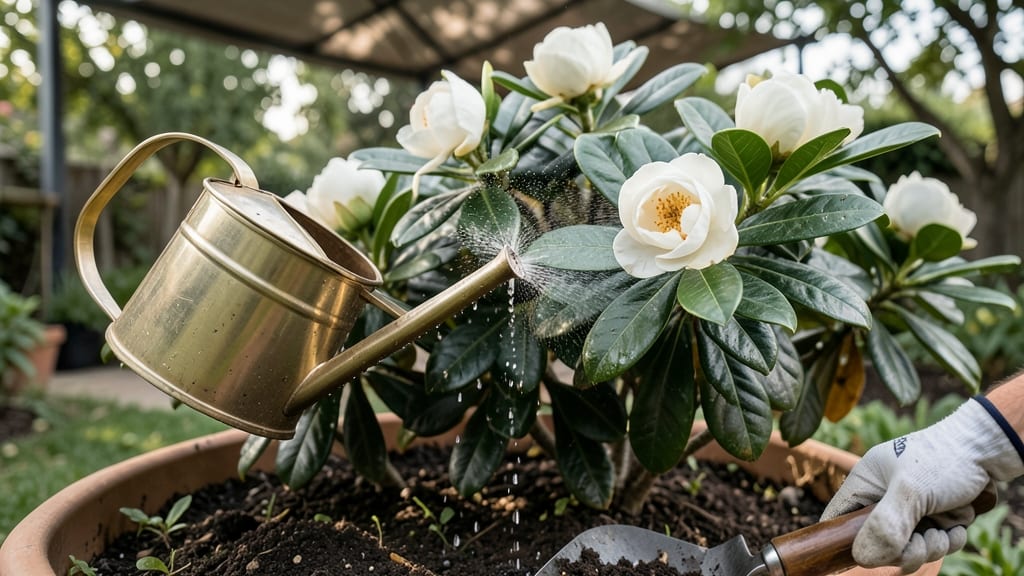
Watering gardenias the right way is the secret to those fragrant blooms that make your garden smell like a tropical escape.
Your gardenia’s fragrant blooms could be wilting—or thriving—based on one simple factor: watering technique. Too much, and you’ll drown the roots; too little, and those glossy leaves turn crispy. The key? A deep-soil method that keeps moisture where it matters most.
Most gardeners make the mistake of light, frequent watering, which leads to weak roots and fewer flowers. Instead, we’re talking about soaking the soil until water drains out the bottom, then waiting until the top inch feels dry.
It’s not just about how much you water—it’s about how you do it.
In this guide, I’ll walk you through the exact steps to water your gardenia like a pro, including seasonal tweaks, soil checks, and how to spot the signs of over- or under-watering before they become problems.
The deep-soil watering method for gardenias: when and how often
Gardenias thrive on a consistent moisture schedule, but their roots need more than just surface watering. The deep-soil method encourages strong root growth and vibrant blooms by delivering water directly to the root zone.
Unlike shallow watering, which only wets the top inch of soil, this technique mimics natural rainfall patterns and prevents stress on your plants.
During active growth (spring and summer), gardenias typically need 1-2 inches of water per week. This might sound like a lot, but it’s essential for maintaining the lush foliage and fragrant blooms these shrubs are famous for.
The key is to water deeply—slowly and thoroughly—until moisture reaches 6-8 inches down in the soil.
| Season | Watering Frequency | Depth | Signs of Stress |
|---|---|---|---|
| Spring | Every 3-4 days | 6-8 inches | Wilting leaves, yellowing |
| Summer | Daily or every 2 days | 8-10 inches | Drooping flowers, crispy edges |
| Fall | Every 4-5 days | 4-6 inches | Slow growth, brown tips |
| Winter | Every 7-10 days | 3-4 inches | Mushy stems, mold |
To check if your gardenia needs water, stick your finger 2 inches into the soil. If it feels dry, it’s time to water. For container-grown gardenias, the soil dries out faster, so you may need to water every 2-3 days in hot weather.
Always water at the base of the plant and avoid wetting the leaves to prevent fungal diseases like powdery mildew.
Overwatering is a common mistake that can lead to root rot, a silent killer of gardenias. Signs include yellowing leaves, mushy stems, and a foul smell from the soil.
If you notice these, reduce watering immediately and ensure your gardenia’s pot has drainage holes or that the ground soil is well-aerated.
Mulching plays a crucial role in maintaining moisture levels. Apply a 2-3 inch layer of organic mulch, like pine bark or shredded leaves, around the base of your gardenia.
This helps retain soil moisture, regulates temperature, and suppresses weeds. Just keep the mulch a few inches away from the trunk to prevent rot.
Adjust your watering routine based on your local climate and soil type. Sandy soils drain quickly and may require more frequent watering, while clay soils hold moisture longer and need less.
In humid climates, you might reduce watering slightly to avoid fungal issues, while dry climates demand more consistent hydration.
Morning is the best time to water gardenias because it allows foliage to dry out during the day, reducing the risk of disease. Avoid evening watering, as damp leaves overnight create a perfect environment for fungal spores.
If you must water in the evening, water at the base only and avoid overhead spraying.
Young gardenias need more frequent watering to establish their root systems. Once established, mature gardenias can tolerate slightly drier conditions, but they’ll always reward you with more blooms and healthier growth when given consistent deep watering.
Pay attention to your plant’s cues—wilting leaves mean it’s thirsty, while yellowing leaves could indicate overwatering.
For container gardenias, use a moisture meter or your finger to gauge soil moisture. Pots dry out faster, especially in full sun, so monitor them closely.
If the top inch of soil is dry, it’s time to water thoroughly until you see water draining from the bottom of the pot.
With the deep-soil method, your gardenia will develop a stronger root system, leading to more abundant blooms and fewer stress-related issues. Stick to this routine, and you’ll enjoy fragrant, lush gardenias for years to come. 🌸
Gardenias and pH: how water quality affects blooming
Gardenias thrive when their water pH mirrors their natural acidic soil preferences of 5.0 to 6.5. If your tap water tests higher than 7.0, it can stunt growth and reduce those iconic white blooms.
The key is understanding how water chemistry directly impacts nutrient uptake and flower production.
Most municipal water systems deliver alkaline water (pH 7.5-8.5), which creates a nutrient lockout in gardenias. Without proper adjustments, your plant may show signs like yellowing leaves, fewer blooms, or even leaf drop. The solution? Simple pH testing and targeted adjustments to restore that perfect acidic balance.
⚠️ callout-warning
Gardenias are sensitive to sudden pH swings. If your water tests at 8.0 or higher, never dump in vinegar or lemon juice—this creates pH shock. Instead, use sulfur-based amendments (like aluminum sulfate) at 0.5 teaspoons per gallon of water. Always test water before and after adjustments using a digital pH meter ($15 at garden centers).
Pro Tip: Rainwater (pH 5.6-6.0) is ideal for gardenias—collect it in barrels during summer storms!
Start with a DIY pH test using common household items. Fill a clear glass with distilled water (pH neutral) and add 1 teaspoon of gardenia soil. Stir, then use red cabbage juice (acts as a natural indicator).
A pinkish-red hue confirms acidic soil, while blue-green signals alkalinity. For precise readings, invest in a $10 liquid pH test kit from garden supply stores.
To lower water pH, mix 1 tablespoon of white vinegar per gallon of water (only for short-term fixes) or use sphagnum peat moss in your watering can. For long-term solutions, amend your soil with elemental sulfur (1/2 pound per 100 sq ft) and pine needles as mulch.
These organic methods gradually acidify the root zone without harsh chemicals.
Monitor your gardenia’s response after adjustments. Within 4-6 weeks, you should see darker green leaves and more buds forming. If blooms still lag, check your fertilizer pH—some acid-loving plant formulas contain sulfur-coated urea, which can further lower soil pH over time.
Remember: Consistency is key. Test water monthly during the growing season (spring-fall) and reduce adjustments in winter when gardenias enter dormancy. With the right pH balance, your gardenia will reward you with abundant, fragrant blooms all season long! 🌸