
Tools
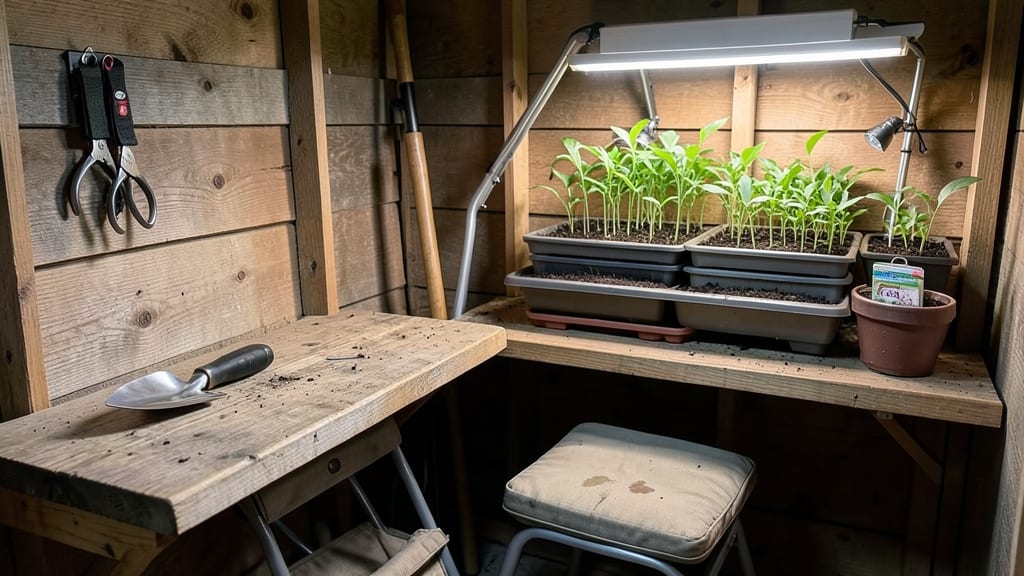
The best gardening tools for small wooden shed spaces maximize functionality in tight areas by using foldable trowels, compact pruners, and multi-purpose hand tools. Pair these with wall-mounted organizers and lightweight storage bins to keep everything accessible while saving precious floor space.
When space is at a premium, every inch counts—and that means choosing tools designed to fold or collapse when not in use. 🔥 I’ve found that aluminum tools strike the perfect balance between durability and weight, while ergonomic handles reduce strain during long gardening sessions.
The key is selecting items that serve multiple purposes, like pruners that double as secateurs or trowels with built-in leveling features. For storage, vertical solutions like pegboards or magnetic strips can transform even the smallest shed into an organized workspace, keeping tools dry and rust-free.
Don’t overlook the importance of lightweight materials—they make it easier to move tools between shed and garden without straining your back. I recommend grouping frequently used items together near the entrance for quick access, while seasonal tools can be stored higher up or in bins labeled by category.
This system keeps your shed clutter-free while ensuring you always have what you need when you need it.
💡 In This Article
- Space-Saving Tool Designs for Cramped Sheds
- Smart Storage Solutions for Organizing Garden Tools
Space-saving tool designs for cramped sheds
Foldable and collapsible tools are game-changers in small sheds because they reduce bulk by up to 50% when stored. For example, a foldable trowel can collapse to half its length, freeing up shelf space while maintaining sharp edges.
The secret lies in their hinged joints, often made from high-grade stainless steel, which endure years of folding without losing precision. I’ve noticed that aluminum tools (like compact pruners) weigh about 30-40% less than their steel counterparts, making them easier to handle during long gardening sessions.
Multi-functional designs eliminate the need for multiple single-purpose tools. Consider a multi-tool with serrated edges, a hook, and a bottle opener—it replaces three separate items while occupying the space of one.
The ergonomic handles on these tools (often featuring non-slip rubber grips) reduce hand fatigue, which is crucial when working in tight spaces where reaching for tools becomes awkward.
For instance, a foldable hand weeder with a built-in scraper can replace both a weeding tool and a small rake, cutting your tool collection by nearly half.
Material choice directly impacts storage efficiency. Aluminum tools resist rust better than carbon steel in humid shed environments, while still being lightweight enough to hang on walls. Stainless steel, though heavier, offers superior durability and edge retention—ideal for pruners and shears.
The trade-off? A stainless steel pruner might weigh 1.5 lbs compared to 0.8 lbs for aluminum, but its lifespan (often 10+ years) justifies the extra weight in a well-organized shed.
Ergonomic features matter more in cramped spaces where tools must be grabbed quickly. Look for angled handles on pruners (like the Felco F-2 model) that reduce wrist strain during use, or compact grips on trowels that fit comfortably in smaller hands.
These designs prevent the "tool fatigue" that often leads to dropped or misplaced items—critical in a shed where every square inch counts. Even the blade design plays a role: serrated edges on pruners cut cleaner with less force, making them safer to use in tight spaces.
Don’t overlook the power of modular attachments. Tools like the Fiskars X27 pruner system allow you to swap blades for different cutting tasks, reducing the need for multiple specialized tools. This modular approach can cut your tool collection by 20-30% while maintaining versatility.
The key is prioritizing tools that serve multiple functions without sacrificing performance—because in a small shed, every extra tool you don’t own means more space for the essentials.
For maximum efficiency, group tools by frequency of use. Place your daily essentials (like a trowel and pruners) within easy reach at waist height, while seasonal tools (like a long-handled fork) can be stored vertically on wall mounts.
This zoning system keeps your shed clutter-free and tools accessible, even when space is limited. The result? A workspace that feels spacious despite its small footprint.