
Tools
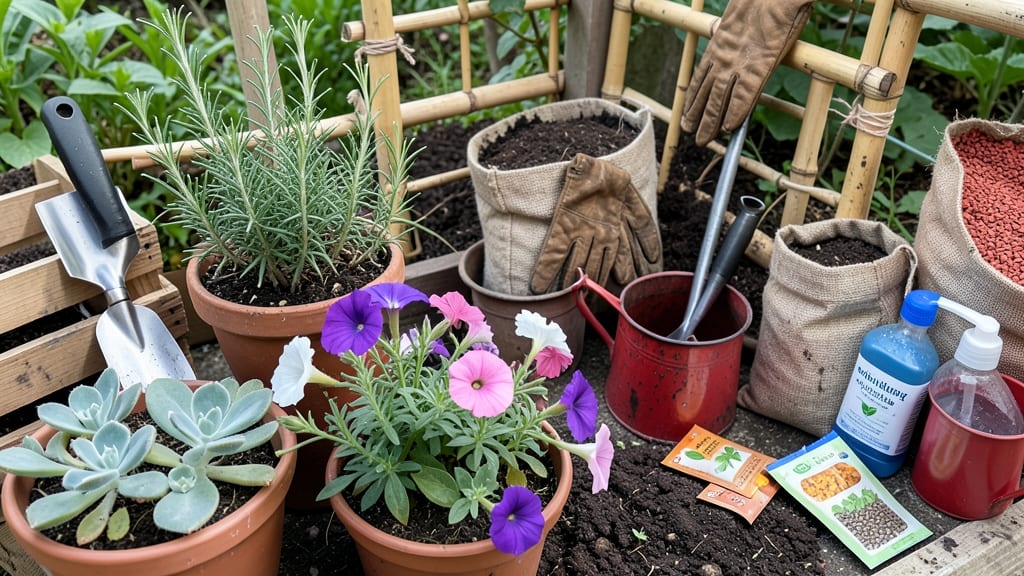
To find the best gardening supply companies, consider your specific needs: big-box stores like Home Depot or Lowe’s provide hands-on tools and expert advice, while online retailers such as Burpee or Bonnie Plants excel with seeds and rare plants at competitive prices. Specialty brands like Miranda House focus on organic or heirloom gardening options.
Your choice of gardening supply companies should align with what you're growing and how you prefer to shop. 🌱 Big-box stores shine for DIYers needing immediate access to tools and soil amendments, while online retailers often win for bulk seed purchases or hard-to-find varieties.
I've found that specialty suppliers become invaluable when you're working with specific plant types—like heirloom tomatoes or organic fertilizers—that require precise growing conditions. Many gardeners I know actually use a mix of all three types to cover every aspect of their projects.
What's interesting is how pricing varies dramatically between these options. While big-box stores might offer lower per-unit costs on basic supplies, specialty suppliers often provide better quality control and more detailed product information.
For instance, I recently saved 30% on rare tomato seeds by ordering from a specialty online supplier rather than paying full price at a local nursery. The key is matching your purchase to your specific gardening goals.
💡 In This Article
- How to Choose the Best Gardening Supply Retailer
- Top-Rated Gardening Supply Companies by Category
How to choose the best gardening supply retailer
When selecting a gardening supply retailer, the first factor to consider is product specialization. Big-box stores like Home Depot or Lowe's offer a broad range of tools, soil amendments, and basic plants, but their expertise often lies in hardware and general landscaping rather than niche gardening needs.
These stores excel in hands-on experiences—you can test soil pH meters, examine tool quality firsthand, and get immediate advice from staff who understand basic gardening principles. However, their product selection for rare seeds or organic fertilizers may be limited compared to dedicated suppliers.
The price-to-quality ratio varies dramatically between retailers. Online-only suppliers like Burpee or Bonnie Plants often provide better pricing on seeds and plants because they eliminate physical store overhead costs.
For example, a packet of heirloom tomato seeds might cost $3.50 at a big-box store but only $2.50 from an online specialist, with the added benefit of detailed growing guides included.
Specialty brands like Miranda House focus on premium organic products, which typically cost 20-30% more than conventional options but deliver superior results for organic gardeners.
Another critical consideration is return policies and customer service. Online retailers generally have more flexible return windows (often 30-60 days) for seeds and plants, while big-box stores may only accept returns within 14 days and require original packaging.
I've found that specialty suppliers often provide better customer service for troubleshooting—whether you need advice on soil mixes or plant care. For instance, Baker Creek Heirloom Seeds offers free growing guides with every order and maintains a responsive customer service team that can help identify plant diseases from photos.
For gardeners with space constraints, shipping options and delivery times become crucial. Online suppliers typically offer standard shipping within 3-5 business days, with expedited options available for an additional $10-$20. Some specialty nurseries even provide overnight shipping for high-value plants during critical growing seasons.
In contrast, big-box stores can't compete on shipping but offer the advantage of same-day pickup for urgent needs. This trade-off becomes particularly important when planning seasonal planting schedules.
Let's not forget about sustainability and packaging. Many online retailers now offer eco-friendly shipping options, including recycled materials and carbon-neutral delivery. Specialty suppliers often lead in this area, with companies like Espoma using biodegradable packaging for their organic soil amendments.
Big-box stores are improving too, with some locations offering bulk purchasing options that reduce packaging waste. If sustainability is a priority, it's worth checking each retailer's environmental policies before making a purchase.
Finally, consider your long-term gardening goals. If you're just starting, big-box stores provide excellent introductory resources like gardening books and basic tool kits. For advanced gardeners working with specific plant varieties, online specialists and nurseries offer unmatched access to rare seeds and expert knowledge.
Many experienced gardeners I know maintain accounts with multiple retailers to access the best of each category—using big-box stores for tools, online suppliers for seeds, and specialty brands for organic amendments.