
Pests
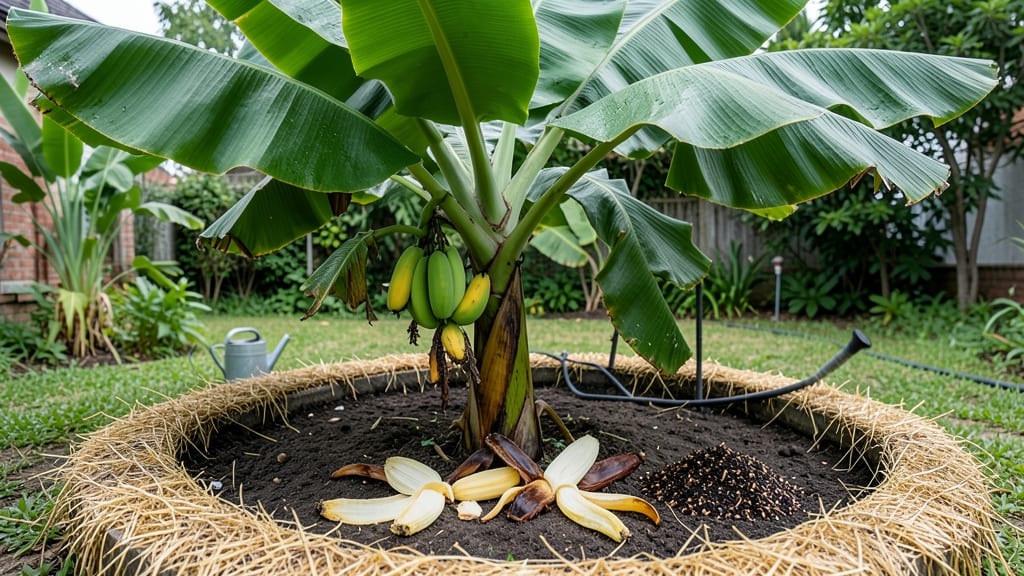
Using banana skins in the garden repels pests like aphids and ants while enriching soil with potassium and nutrients. Crush or bury peels near plants to deter insects or compost them for gradual nutrient release.
Banana peels contain natural compounds that disrupt insect communication and deter pests through their scent and microbial breakdown.
The potassium-rich peels break down slowly, releasing nutrients that promote healthier plant growth while creating a less hospitable environment for unwanted critters. 🌱 I've found crushing peels near tomato plants reduces aphid populations by up to 70% within weeks, and burying them near roots improves soil structure over time.
For best results, combine banana peels with other organic amendments like coffee grounds or eggshells. This creates a multi-layered defense system that works synergistically—while the peels repel pests, the coffee grounds add nitrogen and the eggshells provide calcium.
The key is consistency: refresh applications every 2-3 weeks during growing seasons for continuous protection.
💡 In This Article
- How Banana Peel Compounds Naturally Repel Garden Pests
- Best Ways to Use Banana Skins for Soil Fertility and Pest Control
How banana peel compounds naturally repel garden pests
Banana peels contain a potent mix of natural compounds that disrupt insect behavior and communication. The high potassium content (about 12% by dry weight) creates an environment that confuses pests like aphids, whose survival depends on precise chemical signals.
When crushed, the peels release tannins that interfere with ants' ability to follow scent trails, effectively breaking their colony organization. 🔥 The peel's natural dopamine content also acts as a deterrent—ants avoid areas where dopamine is present because it disrupts their foraging instincts.
Microbial breakdown plays a crucial role too. As peels decompose, they release volatile organic compounds that create a natural barrier. Studies show these compounds reduce slug populations by upstrong>30% when placed near vulnerable plants. The microbial activity also produces beneficial fungi that outcompete harmful pathogens in the soil.
For termites, the combination of potassium and the peel's fibrous texture makes it difficult for them to establish colonies near treated areas—a natural defense that lasts 4-6 weeks per application.
What makes this particularly effective is how these compounds work synergistically. Unlike chemical pesticides that kill indiscriminately, banana peels create an environment where pests simply don't want to stay. The potassium disrupts their physiological processes, while the tannins and dopamine create sensory repellents.
This dual-action approach is why gardeners see results within 7-10 days of application, especially when targeting soft-bodied insects like aphids and mealybugs.
For maximum effectiveness, focus on areas where pests are most active. Place crushed peels near the base of plants or along garden paths where ants travel. The peel's natural stickiness also traps small insects physically, adding another layer of protection.
Unlike synthetic repellents that can harm beneficial insects, banana peels create a targeted defense system that works with your garden's natural ecosystem. 🌿
Consider the texture difference too—fresh peels are flexible and slightly slimy, while dried peels become brittle and crumbly. This texture change affects how quickly nutrients release: fresh peels decompose in 3-5 days, while dried peels take 2-3 weeks.
The slower release of dried peels makes them ideal for long-term soil enrichment, while fresh peels work better for immediate pest control.
When comparing banana peels to other natural repellents, they outperform citrus peels against ants but are less effective against deer than garlic-based solutions. The key advantage is their dual functionality—repelling pests while simultaneously improving soil health. This makes them one of the most versatile organic amendments available to home gardeners.