
Light Requirements
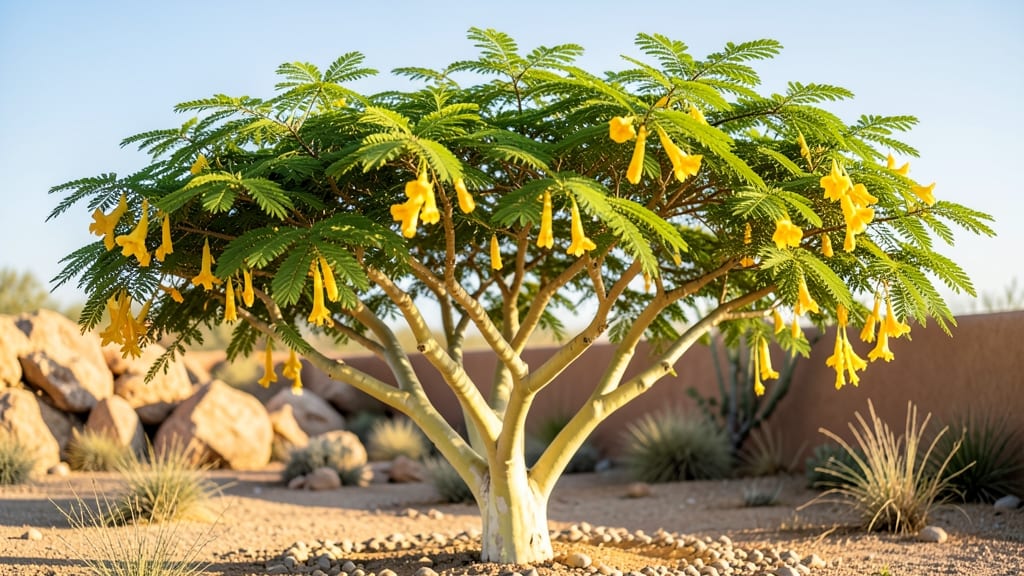
Arizona's gardening zones span USDA Hardiness Zones 5b-11, with most regions falling in Zones 7-10, demanding plants that thrive in extreme heat and low humidity like cacti, desert willows, and heat-resistant annuals. Success depends on deep watering schedules, proper mulching, and selecting native species that naturally adapt to the state's harsh conditions.
Arizona's diverse elevations create microclimates where Phoenix's Zone 10 plants might struggle in Flagstaff's cooler Zone 7. The key is matching plants to your specific elevation—low desert areas need sun-loving succulents while higher regions can support citrus and herbs.
I've found that adjusting watering cycles (deep soaks every 7-10 days) and using shade cloth for summer heat makes all the difference in plant survival rates.
What many gardeners overlook is how monsoon season transforms growing conditions. The sudden summer rains create temporary moisture windows that can be leveraged for planting heat-sensitive crops like tomatoes or peppers. For mountain gardeners, cold frames and row covers extend growing seasons by protecting plants from unexpected frosts.
The state's native plants—like the desert marigold or ocotillo—often require less maintenance once established, making them ideal choices for both beginners and experienced gardeners.
💡 In This Article
- Understanding Arizona’s Unique Gardening Zones and Microclimates
- Top Heat-Tolerant Plants for Each Arizona Gardening Zone
Understanding Arizona’s unique gardening zones and microclimates
Arizona’s gardening zones are shaped by dramatic elevation changes that create microclimates where a single 100-mile drive can shift conditions from Zone 10 in Phoenix to Zone 7 in Flagstaff. This happens because temperature drops about 3.5°F per 1,000 feet elevation gain.
For example, Phoenix averages 110°F summer highs while Flagstaff stays in the 80s°F, creating vastly different growing conditions just 150 miles apart. The USDA zones don’t fully capture this—actual frost dates can vary by 3-4 weeks between low desert and mountain areas.
Monsoon season (June-September) adds another layer of complexity. The sudden 1-3 inches of rain per week during storms creates temporary moisture spikes that native plants like palo verde trees and desert marigolds exploit.
However, these same rains can cause soil erosion if not managed with proper mulching (like 3-4 inches of gravel or wood chips), which helps retain that precious moisture while preventing runoff.
The key difference between successful and struggling gardens often comes down to how well you time watering with these seasonal patterns.
What most gardeners miss is how urban heat islands affect planting zones. In Phoenix, pavement and buildings can raise temperatures by 5-10°F compared to rural areas, pushing effective growing zones closer to Zone 11 in some neighborhoods.
This explains why tropical plants like bougainvillea thrive in city landscapes while struggling just 10 miles outside where temperatures drop at night. The solution? Choose heat-tolerant varieties and use shade cloth (30-50% coverage) to protect plants during peak afternoon sun.
For mountain gardeners, the challenge shifts to late spring frosts that can occur until May 15 at 5,000 feet elevation. Cold frames or row covers (like agricultural fabric rated for 20°F protection) extend growing seasons by 4-6 weeks, allowing for earlier plantings of cool-season crops.
Meanwhile, low desert gardeners focus on summer planting strategies—like choosing heat-tolerant varieties of okra or sweet potatoes that thrive when daytime temps exceed 100°F.
Native plants offer the best adaptation to these conditions. For instance, the ocotillo plant requires no irrigation once established and actually benefits from the extreme heat, while desert willow trees provide shade while surviving on less than 12 inches of annual rainfall.
These species have evolved to handle Arizona’s low humidity (10-20% relative humidity) and intense sunlight, making them far more reliable than non-native alternatives that often require constant care and supplemental watering.
Here’s what this means for your garden: If you’re in Zone 10, focus on succulents and cacti that store water in their leaves. In Zone 7 mountain areas, prioritize herbs like rosemary and thyme that tolerate cooler nights.
The secret weapon? Soil preparation—amending with compost and organic matter improves water retention by 30-50%, reducing the need for frequent irrigation while protecting roots from temperature extremes.