
Pests
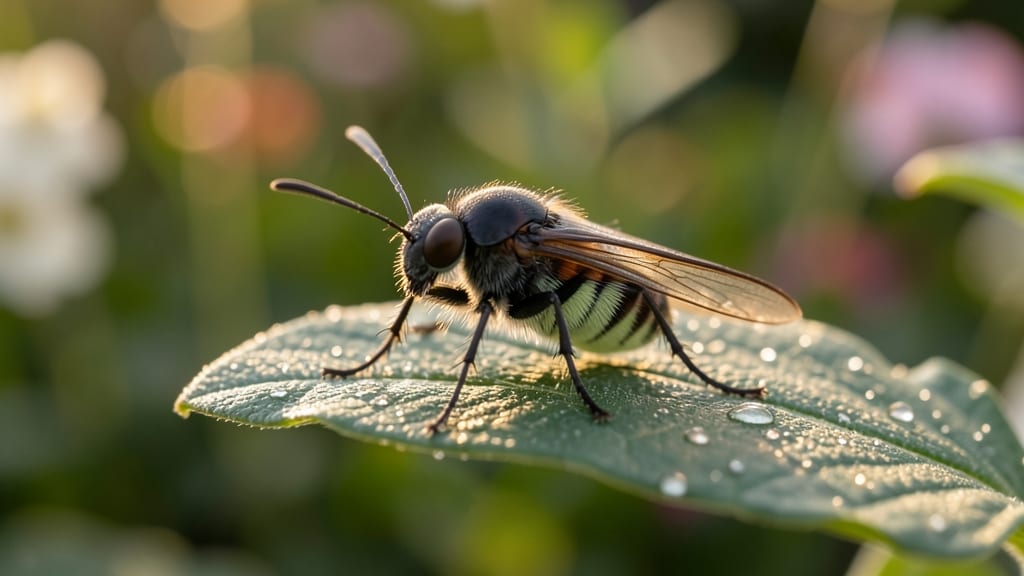
Lightning bugs are good for the garden because their larvae act as natural pest controllers by consuming harmful insects like slugs, cutworms, and beetle grubs, while the adult bugs help pollinate plants. Their presence also enhances soil quality by decomposing organic matter and aerating it, making them a valuable asset to any garden ecosystem.
These tiny but mighty insects play a dual role in garden health. 🌱 The larvae, often called "glowworms," are voracious predators that target common garden pests, reducing the need for chemical interventions. Meanwhile, adult lightning bugs contribute to pollination by visiting night-blooming flowers, supporting plant reproduction.
Their natural soil aeration also improves root growth and nutrient absorption, creating a self-sustaining cycle of benefits for your garden's overall vitality.
For gardeners looking to maximize these advantages, creating an inviting habitat is key. Planting flowers that bloom at night, like moonflowers or evening primrose, can attract more lightning bugs. Avoiding pesticides also helps preserve their populations, allowing them to thrive naturally in your garden ecosystem.
💡 In This Article
- How Lightning Bug Larvae Control Garden Pests
- Creating a Lightning Bug-Friendly Garden
How lightning bug larvae control garden pests
Lightning bug larvae, often called glowworms, are nature's tiny pest control agents. These voracious predators primarily target soft-bodied insects like slugs, cutworms, and beetle grubs—common garden nuisances that can devastate plants. A single larva can consume up to 500-600 pest larvae during its development, which lasts about 10-12 months.
Their hunting strategy involves ambushing prey with lightning-fast strikes, using their powerful jaws to inject digestive enzymes that liquefy internal tissues before consumption. 🔥
Their impact on garden biodiversity is significant. By controlling pest populations naturally, they reduce the need for chemical pesticides, which can harm beneficial insects like bees and ladybugs. Studies show gardens with active lightning bug populations experience 30-50% fewer slug and cutworm damages compared to those without.
The larvae's presence also encourages a balanced ecosystem, as their predation prevents any single pest species from becoming dominant.
What makes these larvae particularly effective is their selective hunting behavior. Unlike broad-spectrum pesticides that kill all insects indiscriminately, lightning bug larvae focus on harmful pests while leaving beneficial insects like pollinators unharmed.
This targeted approach creates a more sustainable garden environment where biodiversity thrives. Their activity peaks during spring and summer, aligning perfectly with the growth seasons of most garden plants.
Interestingly, the larvae's bioluminescence isn't just for show—it helps them communicate and attract mates, but it also serves as a subtle warning to predators. The glow acts as a deterrent to birds and other animals that might otherwise prey on them, allowing them to focus entirely on their pest-hunting mission.
This dual-purpose adaptation makes them even more valuable to garden ecosystems. 💫
For gardeners concerned about specific pests, lightning bug larvae are particularly effective against:
- Slugs: Devour entire slugs, including their mucus trails, which helps prevent plant damage
- Cutworms: Target young seedlings at soil level, reducing transplant failures
- Beetle grubs: Control Japanese beetle larvae and other soil-dwelling pests
- Sowbugs: Help manage populations that can damage young plants
The larvae's impact extends beyond pest control—their burrowing activity aerates soil naturally, improving root growth and water drainage. This dual benefit makes them one of the most valuable natural allies any gardener can have. ✨