
Pests and Diseases
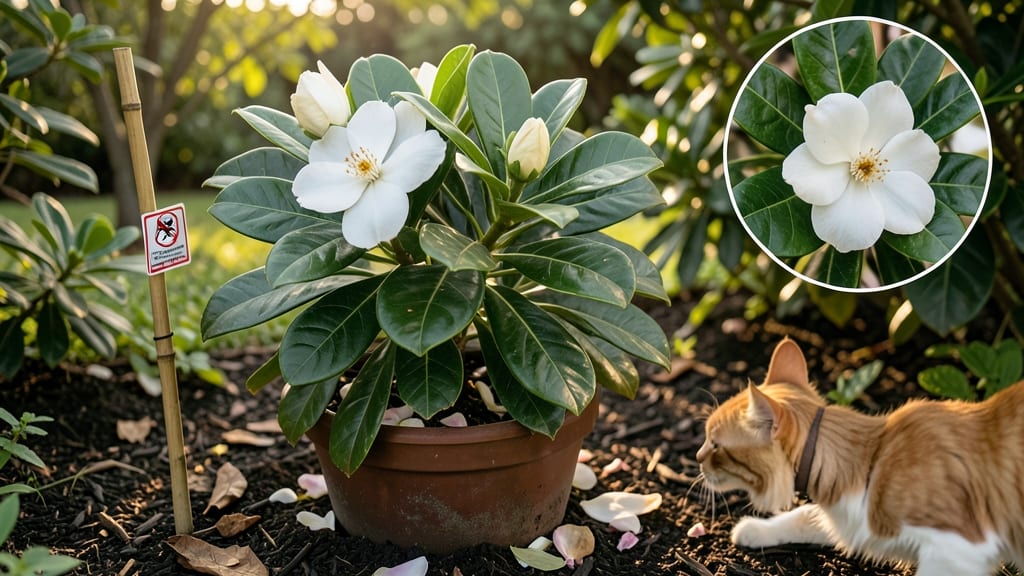
Gardenias are toxic to pets like cats and dogs, containing compounds that cause vomiting, diarrhea, and drooling if ingested. Their leaves and flowers pose the highest risk, requiring immediate veterinary attention if consumed.
Gardenias contain natural toxins called saponins and glycosides, which disrupt pets' digestive systems and can even affect their nervous systems in severe cases. 🐾 The risk varies by pet—cats are particularly sensitive due to their size, while dogs may show milder symptoms unless they consume large amounts.
If you suspect your pet has ingested gardenia parts, contact your vet immediately, as early treatment can prevent complications like dehydration or organ strain.
Even small exposures can trigger symptoms within 6-12 hours, so it's crucial to monitor pets after they've been near gardenias. The good news? Many non-toxic plants, like roses or marigolds, offer similar beauty without the danger.
I always recommend replacing gardenias with pet-safe alternatives if you have curious furry family members.
💡 In This Article
- Toxic Compounds in Gardenias and Their Effects on Pets
- Safe Pet-Friendly Alternatives to Gardenias for Gardens
Toxic compounds in gardenias and their effects on pets
Gardenias contain two primary toxic compounds: saponins and glycosides, both of which disrupt normal bodily functions. Saponins create soapy-tasting foams when mixed with fluids, irritating the mouth and digestive tract. Glycosides, meanwhile, interfere with cellular processes, particularly in the liver and nervous system.
These compounds are most concentrated in the leaves and flowers, where pets are most likely to chew or ingest them.
The severity of symptoms depends on the amount consumed and the pet's size. Cats are especially vulnerable because their smaller bodies can't metabolize these toxins efficiently.
A single leaf ingestion might cause mild vomiting in a dog, while a cat could experience drooling, lethargy, or even seizures from consuming just a few petals. The ASPCA reports that gardenia toxicity often manifests within 6-12 hours of exposure, with symptoms lasting up to 24-48 hours without treatment.
Here's what happens inside your pet's body when they ingest gardenia parts:
- Mouth irritation: The saponins create a burning sensation, causing excessive drooling and pawing at the mouth.
- Digestive upset: Glycosides trigger vomiting and diarrhea, which can lead to dehydration if fluids aren't replaced.
- Nervous system effects: In severe cases, these compounds may cause tremors or weakness due to their impact on neurotransmitter function.
Dogs typically show milder symptoms because their larger size allows them to process small amounts better. However, large ingestions can still cause abdominal pain, weakness, or even collapse. The key difference is that cats experience more pronounced neurological symptoms due to their metabolism.
Always err on the side of caution—if you see your pet chewing on gardenia leaves or flowers, contact your vet immediately.
What makes gardenias particularly dangerous is their appealing fragrance. Many pets are drawn to the sweet scent, making accidental ingestion more likely. The white, waxy flowers look almost edible to curious pets, while the glossy leaves feel enticing to chew.
This combination of visual appeal and aroma creates a perfect storm for accidental poisoning incidents.
The good news is that gardenia toxicity is rarely fatal with prompt veterinary care. Most pets recover fully with supportive treatment like IV fluids and anti-nausea medications. However, the experience can be traumatic for both pets and owners, making prevention through pet-safe gardening the best approach.