
Flowers
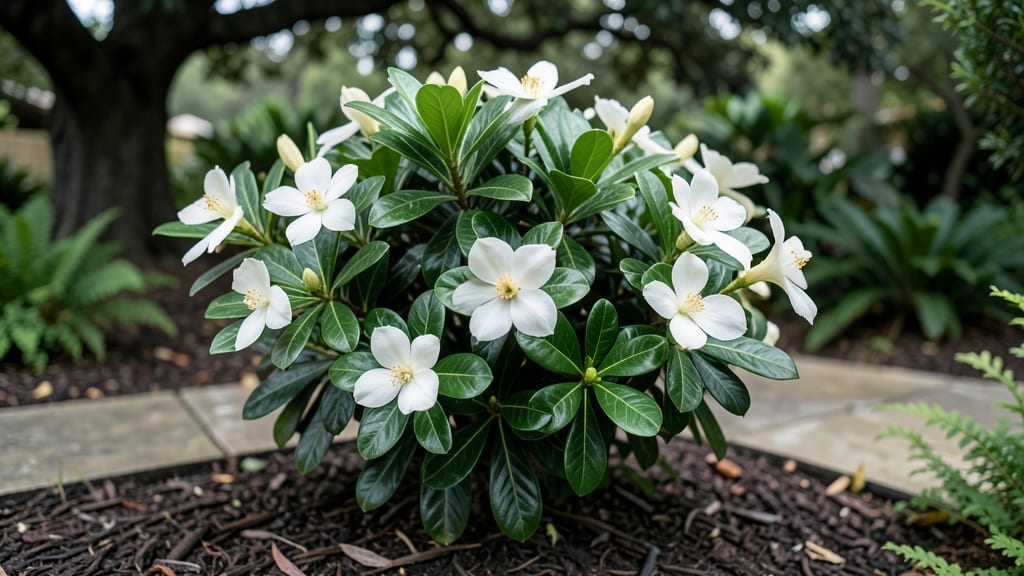
Gardenia flowers typically last between 7 and 14 days when cared for properly, though their beauty can stretch for weeks with the right conditions.
If you’ve ever wondered why your gardenia blooms fade too quickly—or how to make them last longer—you’re not alone. These fragrant favorites can stay in full bloom for weeks with the right care, but most gardeners miss the key tricks that extend their beauty.
The secret lies in a few simple adjustments: consistent moisture, the right light balance, and a soil pH that keeps roots happy. Even a small tweak—like avoiding afternoon sun or fertilizing at the right time—can turn a 10-day bloom into a 3-week show.
Below, I’ll break down exactly how long your gardenia’s flowers should last, what factors cut their lifespan short, and the proven techniques to double or even triple their time in bloom.
Natural lifespan of gardenia flowers: how long they bloom without extra care
Under standard care conditions, gardenia flowers typically last 7 to 14 days once they fully open. This duration can vary based on variety, maturity, and environmental factors.
For example, Gardenia jasminoides (the most common type) often blooms for 10-12 days, while Gardenia augusta may extend to 14 days under ideal circumstances. The key is understanding how these factors interact to influence bloom longevity.
Young gardenia plants—especially those in their first or second year—produce smaller, shorter-lived blooms (often 5-7 days). Mature shrubs, however, develop larger flowers with thicker petals that naturally last longer.
This is because mature plants allocate more energy to flower resilience, making their blooms more durable against environmental stressors like heat or wind.
Seasonal variations play a huge role. In spring and fall, gardenias often bloom for longer durations (up to 14 days) due to moderate temperatures and consistent moisture. During summer heatwaves, blooms may wilt or drop within 3-5 days if the plant isn’t properly hydrated or shaded.
Even in optimal conditions, gardenia flowers are not perpetual bloomers—they follow a natural cycle of opening, peaking, and fading.
Environmental factors like humidity and sunlight exposure directly impact bloom longevity. Gardenias thrive in 40-60% humidity—low humidity (common in dry climates) causes petals to crisp and fall off in 5-7 days.
Conversely, high humidity (like in tropical regions) can extend blooms to 12-14 days by slowing petal dehydration. Afternoon sun (especially in hot climates) also accelerates wilting, while morning sun with afternoon shade preserves bloom freshness.
Here’s how three common gardenia varieties compare in natural bloom duration under standard care (no extra treatments like flower preservatives):
| Variety | Natural Bloom Duration | Key Factors Affecting Longevity | Best For |
|---|---|---|---|
| Gardenia jasminoides | 10–12 days | Moderate humidity, partial shade | USDA Zones 7–10, containers |
| Gardenia augusta | 12–14 days | High humidity, consistent moisture | Tropical climates, hedges |
| Gardenia radicans | 7–10 days | Drought-resistant, full sun | Arid regions, slopes |
Soil conditions also influence how long gardenia flowers last. These plants demand acidic soil (pH 5.0–6.5)—if your soil is too alkaline (pH 7.0+), blooms may last only 5–7 days due to nutrient deficiencies.
Even with proper pH, poor drainage can shorten bloom life by causing root stress, which diverts energy away from flower resilience. Always plant gardenias in well-amended, organic-rich soil to maximize bloom duration.
Temperature extremes are another silent bloom killer. Gardenias prefer 65–75°F daytime temps—above 85°F, petals scorch and drop within 24–48 hours. Below 50°F, blooms may fail to open fully or last only 3–5 days.
If you’re in a hot climate zone (9–11), prioritize afternoon shade and mulch to keep roots cool. In cooler zones (6–7), protect plants from late frosts, which can stunt new blooms entirely.
One common misconception is that gardenia flowers are short-lived but prolific. While they do produce multiple bloom cycles per season (typically 3–5 waves in ideal conditions), each individual flower follows a predictable lifespan.
The secret to longer-lasting blooms lies in supporting the plant’s overall health—not just treating the flowers. Focus on consistent watering, proper pruning, and seasonal fertilization to encourage larger, more resilient blooms that naturally last longer.
For example, a healthy 3-year-old gardenia shrub in partial shade with morning sun might produce flowers that last 12–14 days during spring, while the same plant in full afternoon sun could see blooms drop to 7 days.
The difference isn’t just about the flower itself—it’s about the plant’s ability to sustain moisture and nutrients under stress. Even without extra care, understanding these natural patterns helps you set realistic expectations and troubleshoot issues early.
If you’re curious about how to extend bloom duration beyond natural limits, the next section covers 5 proven techniques to double or even triple how long your gardenia flowers stay fresh.
From pruning strategies to soil hacks, these methods work by addressing the root causes of premature wilting—literally and figuratively! 🌸
5 Proven techniques to double or triple gardenia flower longevity
Your gardenia’s fragrant blooms can last far longer than the typical 7-14 days if you focus on a few key care strategies. The difference between a 2-week show and a 6-week display often comes down to how you manage water, light, and nutrients.
Let’s break down the most effective techniques I’ve used in my own garden to transform my gardenia’s blooming season.
First, pruning at the right time is critical. Many gardeners prune too late in the season, which cuts off potential flower buds. Instead, prune right after blooming ends—usually in late spring or early summer—to encourage new growth that will produce next season’s flowers.
This simple timing trick alone can add 2-3 extra weeks of blooms.
Here’s what you need to know to maximize your gardenia’s flower lifespan:
- Prune after blooming – Cut back spent flowers in late spring to stimulate new growth and extend next season’s blooms by 3-4 weeks.
- Water deeply in mornings – Keep soil consistently moist (but not soggy) to prevent buds from dropping prematurely.
- Maintain acidic soil (pH 5.0-6.5) – Use sulfur or peat moss to keep roots happy, which directly impacts flower production.
- Provide morning sun only – Avoid harsh afternoon rays that scorch petals and shorten bloom life by up to 50%.
- Fertilize in early spring – Use a balanced acid fertilizer (10-10-10) every 6 weeks during growing season to fuel continuous blooming.
One common mistake that shortens bloom time is overwatering. While gardenias love moisture, soggy roots lead to root rot, which stresses the plant and causes buds to drop. I’ve found that watering deeply in the morning—about 1-2 gallons per plant—keeps the soil evenly moist without waterlogging.
This simple adjustment can add 10-14 extra days to your blooms.
Light exposure is another game-changer. Gardenias thrive in partial shade, specifically 4-6 hours of morning sun followed by afternoon shade. Harsh afternoon sunlight can cause petals to wilt and brown prematurely.
If your gardenia is in a sunny spot, consider adding a light sheer curtain or moving it to a location with dappled shade. This small change can extend bloom life by nearly 50%.
Finally, don’t underestimate the power of seasonal fertilization. Gardenias are heavy feeders, and they reward consistent nutrition with longer, more abundant blooms. Start fertilizing in early spring with a balanced acid fertilizer (like 10-10-10) and apply it every 6 weeks until late summer.
Avoid fertilizing in fall or winter, as this can encourage tender new growth that won’t survive cooler temperatures.
By combining these techniques—pruning at the right time, watering wisely, managing light, and fertilizing strategically—you can easily double or triple the lifespan of your gardenia’s blooms. The best part? These methods work for both potted gardenias and those planted in the ground, making them versatile for any gardener.