
Tools
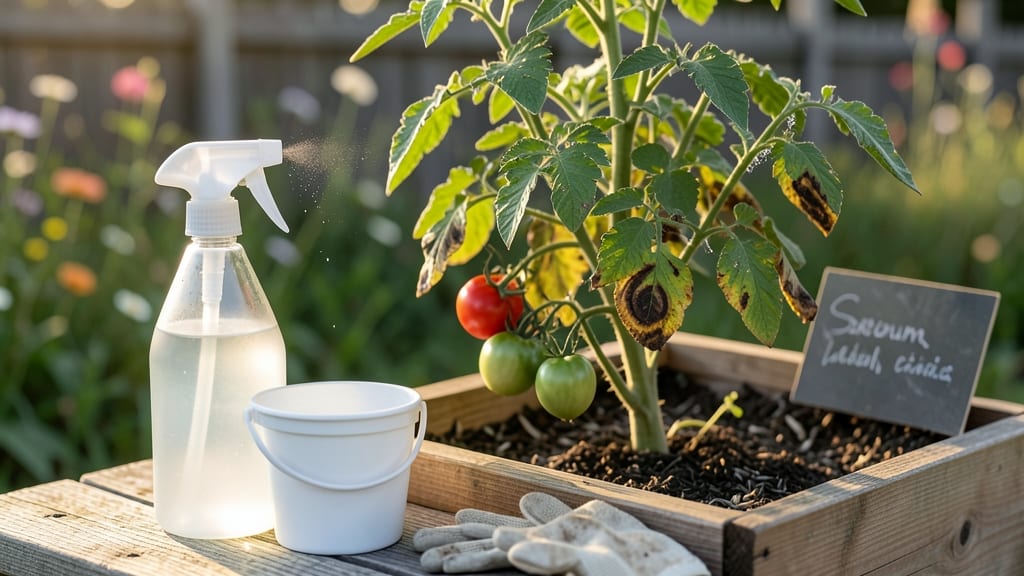
Using hydrogen peroxide in the garden safely requires diluting it to a 3% solution at a 1:4 ratio (1 part peroxide to 4 parts water) to disinfect soil, sterilize tools, or treat fungal diseases without harming plants. Always test on a small area first and avoid overuse, as it can damage roots or soil microbes in high concentrations.
Hydrogen peroxide acts as a natural disinfectant by releasing oxygen bubbles that suffocate harmful bacteria and fungi. 🌱 This makes it perfect for cleaning garden tools or treating fungal spots on leaves, but the key is moderation—too much can strip soil of beneficial microbes or burn plant roots.
I've found it works best for seed sterilization or cutting propagation, where a diluted solution helps prevent rot without harming new growth.
For vegetables like tomatoes or herbs, a 1:4 dilution is usually safe, but delicate plants such as succulents or azaleas may need even weaker concentrations. Always spot-test first, especially on acid-loving plants, since hydrogen peroxide can alter soil pH over time.
💡 In This Article
- How Hydrogen Peroxide Works as a Garden Disinfectant
- Plant-Specific Applications and Safety Tips for Hydrogen Peroxide
How hydrogen peroxide works as a garden disinfectant
Hydrogen peroxide (H2O2) acts as a natural disinfectant through a simple yet powerful chemical reaction.
When applied to soil or plant surfaces, it breaks down into water (H2O) and oxygen (O2) gas, releasing tiny oxygen bubbles that physically disrupt and suffocate pathogens like bacteria and fungi.
This process is called oxidative burst, where the free oxygen molecules attack cell membranes of microbes, effectively killing them on contact. The effectiveness peaks at 3% concentration—higher percentages risk burning plant tissues, while lower concentrations may fail to eliminate stubborn pathogens.
The antimicrobial action isn't limited to surface-level cleaning. When diluted properly, hydrogen peroxide can penetrate soil up to 6 inches deep, targeting fungal spores and bacterial colonies without harming most beneficial soil microbes.
For example, a 1:4 dilution (1 part 3% peroxide to 4 parts water) creates a solution with about 0.75% active oxygen—strong enough to disinfect but gentle enough for most garden applications. The oxygen release also improves soil aeration temporarily, which can help roots absorb nutrients more efficiently. 🌱
However, the same oxidative properties that make hydrogen peroxide effective can also cause damage if overused. Plants exposed to undiluted or overly concentrated solutions may exhibit oxidative stress, visible as brown leaf edges or stunted growth.
This happens because the excess oxygen disrupts cellular respiration in plant tissues, similar to how chlorine bleach damages fabrics. The key is balance: think of it like a dose of medication—too little won't work, but too much becomes toxic.
Another critical factor is pH sensitivity. Hydrogen peroxide is slightly acidic (pH ~4.5), which means it can alter soil chemistry over time, especially in acid-loving plants like blueberries or azaleas.
While a single application at proper dilution is unlikely to cause issues, frequent use may gradually raise soil pH, making it less hospitable for these species. Always test soil pH before and after treatment if you're working with sensitive plants.
For garden tools, the disinfecting power comes from the peroxide's ability to break down organic matter quickly. A 3% solution can kill 90% of bacteria within minutes when applied to pruners or shovels, but the effect lasts only about 15-30 minutes before the peroxide decomposes.
This is why tools should be rinsed with clean water after treatment to prevent residue buildup, which could harm plants during subsequent use.
What most gardeners don't realize is that hydrogen peroxide's effectiveness depends heavily on freshness. Over time, it decomposes into water and oxygen, losing its antimicrobial power.
Always use solutions that are no more than 6 months old for best results, and store it in a cool, dark place to slow decomposition. The visual clue? A fresh 3% solution will fizz vigorously when poured—if it's quiet, it's lost potency. ✨