
Advice
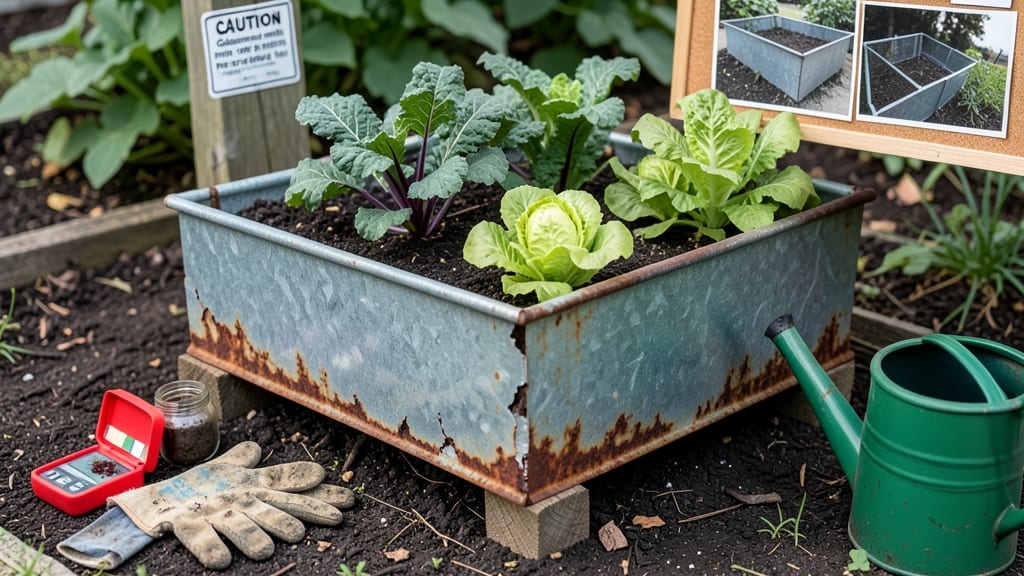
Galvanized garden beds can be safe for gardening, but they may leach zinc over time, posing toxicity risks to edible plants like leafy greens, beans, and root vegetables. Soil acidity and frequent watering accelerate zinc release, while using barrier layers or non-edible plants minimizes exposure.
Galvanized steel beds release zinc through a natural chemical process called leaching, especially in acidic or moist soils. 🌱 While ornamental plants and flowers typically tolerate zinc exposure, edibles like lettuce or carrots may absorb harmful levels, affecting both plant health and soil quality over time.
The good news? Simple solutions like plastic liners or switching to stainless steel can create a safer growing environment for your vegetables.
If you're growing non-edible plants, zinc leaching becomes less of a concern, but long-term exposure can still alter soil chemistry. 💛 For edible gardens, I recommend testing soil pH annually and using organic amendments like lime to neutralize zinc buildup.
Many gardeners also opt for powder-coated or stainless steel alternatives to completely eliminate metal leaching risks.
💡 In This Article
- Zinc Toxicity in Galvanized Garden Beds: How It Affects Plants and Soil
- Safe Gardening with Galvanized Beds: Plant Selection and Protective Strategies
Zinc toxicity in galvanized garden beds: how it affects plants and soil
The zinc toxicity risk in galvanized garden beds stems from the coating's chemical composition. Galvanized steel is coated with a layer of zinc to prevent rust, and over time—especially in moist or acidic conditions—this zinc dissolves into the soil through a process called electrochemical corrosion.
When rainwater or irrigation penetrates the coating, it creates a weak zinc sulfate solution that seeps into the soil, where it can accumulate to harmful levels for sensitive plants. 🔥
Soil pH plays a critical role in zinc availability. In acidic soils (pH < 6.5), zinc becomes more soluble and plant-available, increasing toxicity risks for edibles like leafy greens, beans, and root vegetables. For example, a pH 5.5 soil can make zinc up to 10 times more available than in neutral soil (pH 7.0). Frequent watering or poor drainage further accelerates zinc leaching, as water continuously dissolves fresh zinc from the bed's surface.
Edible plants are most vulnerable because they absorb zinc through their roots and translocate it to leaves or storage organs. Leafy greens like spinach or lettuce can accumulate zinc in their tissues, making them unsafe for consumption if levels exceed 40-50 ppm (the EPA's recommended threshold).
Root vegetables like carrots or potatoes may also absorb zinc, though the risk is slightly lower due to their protective outer layers. Ornamental plants and flowers, however, typically tolerate zinc exposure better since they're not consumed.
Long-term exposure to zinc can also harm soil health by disrupting microbial activity. Zinc ions interfere with nutrient uptake, particularly phosphorus and iron, leading to stunted growth or yellowing leaves—a condition called zinc-induced chlorosis.
Over time, this can turn your once-fertile soil into a less productive growing medium, even for non-edible plants. 💫
To visualize the risk, imagine a galvanized bed in a high-moisture climate like the Pacific Northwest. Without protective measures, zinc leaching could reach 50-100 ppm in the top 6 inches of soil within 2-3 years, far exceeding safe levels for edibles.
In contrast, a dry, alkaline soil (pH > 7.5) might see minimal leaching, making zinc toxicity less of a concern.
For gardeners using galvanized beds, the key is monitoring soil pH and plant selection. Testing soil annually with a simple pH test kit ($10-$15) can help you gauge zinc risk. If your soil is acidic, adding pelletized lime (to raise pH) or using a plastic liner can significantly reduce exposure.
For high-value edibles, switching to stainless steel or powder-coated beds eliminates the risk entirely.