
Container Gardens
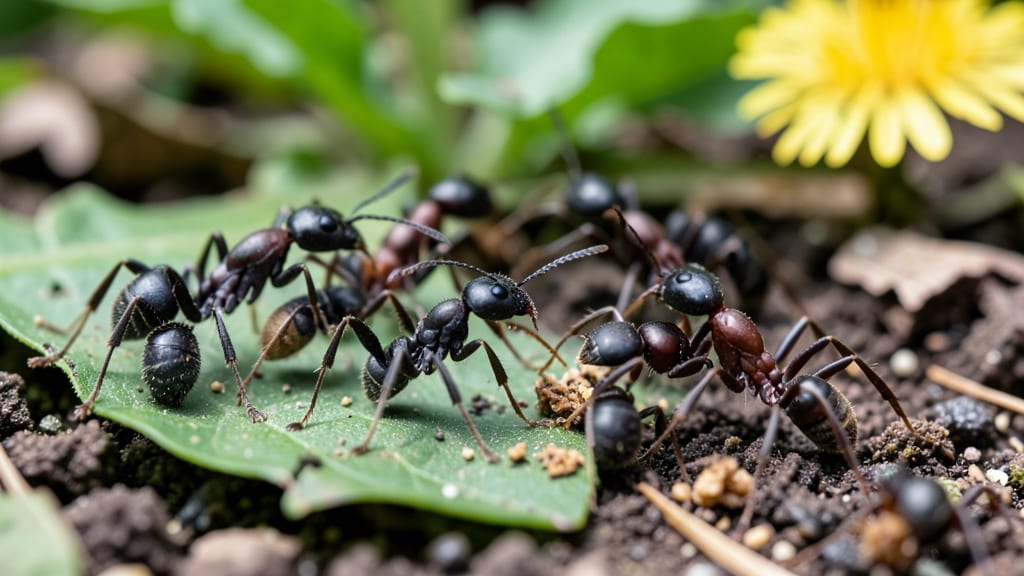
Ants are good for gardens because they improve soil quality by creating tunnels that enhance aeration, decompose organic matter, and help control pests by targeting harmful insects like aphids and caterpillars—though some species can damage plants or disrupt roots.
Are ants good for gardens? These tiny workers play a surprisingly big role in maintaining healthy garden ecosystems. 🌱 Their tunneling activity boosts soil drainage and root growth, while their habit of breaking down dead plant material adds essential nutrients back into the soil. Many gardeners unknowingly rely on ants to keep pest populations in check, as their predatory instincts help maintain balance in the garden's food chain.
That said, not all ants are created equal—some species, like fire ants, can become invasive and harm plant roots or disrupt beneficial fungi. The key is identifying which ants are helping versus hurting your garden.
For example, harvester ants are excellent pest controllers, while carpenter ants may pose risks to wooden structures. Understanding their behavior helps you decide whether to welcome them or gently relocate them.
💡 In This Article
- How Ants Improve Garden Soil and Ecosystems
- Managing Ants in Gardens: Benefits vs Drawbacks
How ants improve garden soil and ecosystems
Ants act like tiny soil engineers, creating intricate tunnel networks that improve drainage and root penetration. Their burrowing activity can increase soil porosity by up to 30% in just a few months, allowing water and oxygen to reach plant roots more efficiently.
This natural aeration is especially valuable for compacted soils, where roots struggle to expand. The tunnels also create pathways for beneficial microbes and earthworms, enhancing overall soil health.
Their decomposition habits further boost garden fertility. Ants collect organic debris like fallen leaves and plant fragments, then drag them underground to their nests where they break them down into nutrient-rich compost.
Some species, like leafcutter ants, even cultivate fungi in underground chambers, creating a symbiotic relationship that cycles nutrients back into the soil. These fungal gardens produce enzymes that further decompose organic matter, releasing essential nitrogen and phosphorus that plants can absorb.
Ants also play a crucial role in seed dispersal and germination. Many species collect seeds, either for food or accidentally while transporting them to their nests. Some seeds pass through an ant's digestive system unharmed, gaining a head start on germination when deposited in nutrient-rich soil.
This natural seed banking helps maintain plant diversity and fills gaps in garden beds where plants might otherwise struggle to establish.
What makes ants particularly effective is their ability to target specific pests. For instance, harvester ants specialize in hunting soft-bodied insects like aphids and caterpillars, which are common garden pests. A single harvester ant colony can consume thousands of insects per year, acting as a natural pesticide.
Their predatory behavior helps maintain ecological balance, reducing the need for chemical interventions that can harm beneficial insects and soil microbes.
Their impact extends to microbial diversity too. Ant tunnels create microhabitats that support a wider variety of soil bacteria and fungi. Studies show gardens with active ant populations have 20-40% more microbial species than those without, leading to more resilient plant growth.
This diversity helps plants resist diseases and adapt to changing conditions, making ants an unsung hero of garden ecosystems.
However, not all ant species contribute equally. While some like pavement ants and fire ants can become invasive, others like acrobat ants and harvester ants actively improve soil structure.
The key difference lies in their nesting habits and feeding behaviors—surface-dwelling species often cause more disruption than those that nest underground and focus on organic decomposition.