
Pests
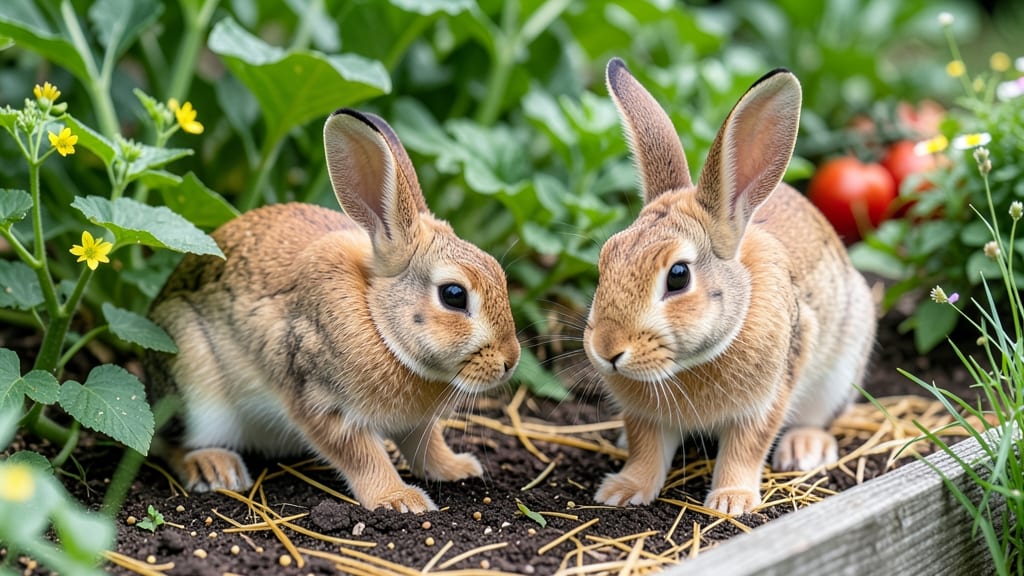
Rabbits and vegetable gardens create significant challenges because they chew through tender shoots, leaves, and even young bark, with a particular fondness for low-growing crops like lettuce, carrots, and beans. This destructive feeding can cripple plant growth or wipe out seedlings completely, while their digging habits further damage roots and soil structure. The best defenses include sturdy fencing, natural deterrents, and strategic companion planting.
When rabbits invade your vegetable garden, they don't just nibble—they systematically target the most vulnerable parts of your plants. 🌱 Young seedlings are especially at risk because their tender stems offer little resistance, while mature plants may suffer from stripped leaves that leave them unable to photosynthesize properly.
The damage often starts in early spring when rabbits emerge from winter dormancy, but it can persist year-round in mild climates. What makes this particularly frustrating is how quickly they can decimate an entire crop if left unchecked, making prevention your best strategy.
Beyond the visible chewing damage, rabbits also create hidden problems by digging near plant bases, which exposes roots to disease and pests while disturbing the soil's structure. This dual threat means you'll need to address both their feeding habits and their burrowing tendencies.
The good news is that combining physical barriers with natural deterrents often provides the most reliable protection for your vegetable garden.
💡 In This Article
- Common Rabbit Damage Patterns in Vegetable Gardens
- Effective Rabbit-Proofing Strategies for Vegetable Gardens
Common rabbit damage patterns in vegetable gardens
Rabbits exhibit distinct feeding patterns that make certain vegetables particularly vulnerable. Their preference for tender, nutrient-rich growth leads them to systematically target leafy greens like lettuce, spinach, and kale, often cropping plants just above the soil line.
This "browsing" technique leaves behind jagged edges on leaves and stems, a clear sign of rabbit activity. Root crops such as carrots and beets are also high-risk targets because rabbits can detect their presence underground by scent and dig to expose them.
The severity of damage depends on plant growth stages—seedlings are most at risk because their delicate stems offer minimal resistance.
A single rabbit can consume 1-2 pounds of vegetation daily, which translates to entire rows of young plants being devoured within days. 🌱 During spring and early summer, when new growth is abundant, rabbits may completely strip plants of foliage, leaving only bare stems.
In contrast, mature plants with tougher bark or woody stems (like tomatoes or peppers) are less appealing, though rabbits will still chew on young shoots.
Beyond feeding damage, rabbits create secondary problems through their digging habits. They often burrow near plant bases to create feeding stations, which exposes roots to air and predators while disrupting the soil's nutrient balance.
This soil disturbance can lead to wilting or stunted growth, even if the above-ground damage is minimal. The combination of direct feeding and soil disruption means rabbits can turn a thriving garden into a barren patch in just a few weeks if left unchecked.
Seasonal behavior plays a crucial role in damage patterns. In spring, rabbits focus on fresh shoots and seedlings, while summer brings a shift toward mature leaves and fruits. Winter damage is less common but can occur in mild climates, where rabbits may gnaw on bark or twigs for sustenance.
Understanding these seasonal shifts helps gardeners anticipate and prepare for peak damage periods, allowing for more effective prevention strategies.
Visual identification of rabbit damage is key to early intervention. Look for clean, straight cuts on stems and leaves—unlike deer, which tear vegetation, rabbits leave precise bite marks.
Additionally, their droppings (small, round pellets) often accumulate near damaged plants, serving as a clear indicator of their presence. 🐇 Recognizing these signs early allows gardeners to implement protective measures before significant damage occurs.
Certain plants are more resilient to rabbit browsing due to their texture or scent. For example, herbs like rosemary and thyme are less appealing because of their strong aromas, while plants with fuzzy or prickly leaves (such as artichokes) deter rabbits naturally.
Incorporating these into your garden layout can create natural barriers and reduce overall vulnerability to rabbit damage.
What most gardeners don't realize is how quickly rabbits can adapt to new food sources. If one type of vegetable is protected or removed, they'll simply move on to the next most accessible crop. This adaptability makes consistent, multi-layered protection essential for long-term garden success. 🌿