
Pests
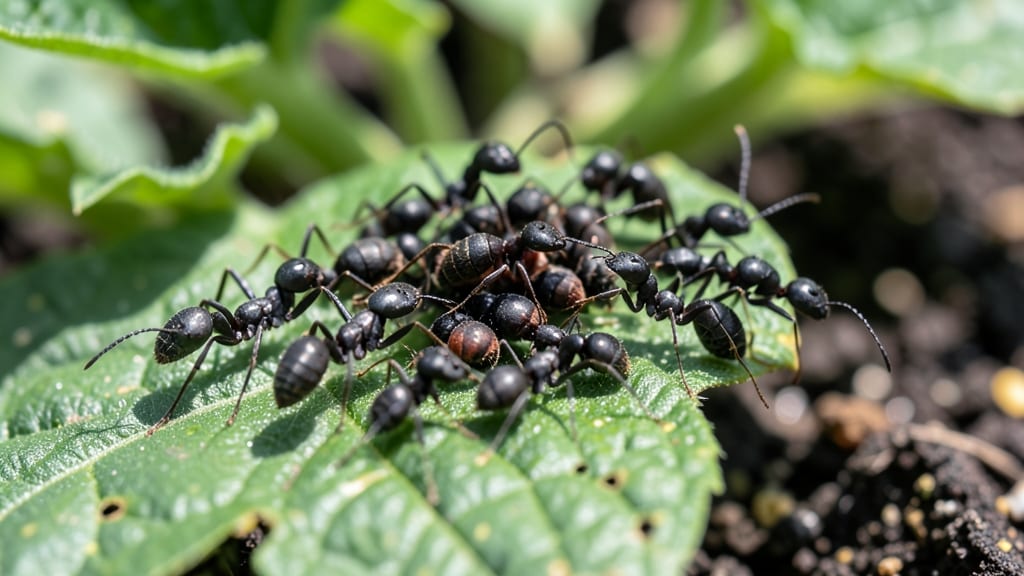
Are ants bad for a garden? They’re not automatically harmful—they improve soil health by aerating it and breaking down organic matter while hunting down pests like aphids. However, certain species (like carpenter ants) can harm plants or wooden structures, so their impact depends on the type and your garden’s specific needs.
Most gardeners actually see ants as helpful allies rather than pests. These tiny workers improve soil drainage and fertility by tunneling, which also helps roots access oxygen. 🌱 Their appetite for sap-sucking insects like aphids keeps plant health in check, reducing the need for chemical pesticides.
That said, if you spot large trails of fire ants or carpenter ants near your foundation, they might be causing more trouble than good. The key is identifying the species—some are garden heroes, while others can become nuisances or even destructive.
For example, pavement ants might march through your veggie patch, but they rarely harm plants directly. Meanwhile, leafcutter ants can decimate young seedlings by carrying off leaves to feed their fungus farms underground. Understanding their behavior lets you decide whether to welcome them or gently encourage them to relocate.
💡 In This Article
- How Ants Benefit and Harm Garden Soil and Plants
- Natural Ways to Manage Ants in Your Garden
How ants benefit and harm garden soil and plants
Ants act as nature's soil engineers, creating tunnels that improve drainage and aeration.
A single colony can excavate up to 100 feet of tunnels in a season, breaking up compacted earth and allowing water and oxygen to reach plant roots more efficiently. 🌱 This tunneling also helps decompose organic matter, releasing nutrients like nitrogen and phosphorus that plants can absorb.
For instance, studies show that gardens with active ant colonies often have 20-30% better soil structure compared to ant-free plots, which translates to healthier root systems and stronger plant growth.
Their pest-control services are equally impressive—ants consume thousands of aphids, mites, and other sap-sucking insects daily, effectively reducing the need for chemical pesticides. Fire ants, for example, are notorious for attacking and devouring soft-bodied pests like caterpillars and grubs, which can save your tomato plants from defoliation.
However, this benefit comes with a caveat: some ants, like the Argentine ant, form supercolonies that can actually protect aphids in exchange for honeydew, creating a harmful symbiotic relationship that gardeners must monitor closely.
Not all ants are created equal—some species pose direct threats to gardens. Leafcutter ants, for example, harvest leaves to cultivate fungus gardens underground, which can decapitate young seedlings and stunt plant growth.
Meanwhile, carpenter ants don't eat plants but instead tunnel through wooden structures, weakening fences, trellises, and even house foundations. The damage becomes visible when you see sawdust-like frass near wooden garden furniture or hear faint rustling in walls during warm months.
Even beneficial ants can turn problematic when their populations explode. A thriving colony might leave behind trails of tiny holes in leaves or create unsightly mounds that disrupt planting layouts.
The key is observing their behavior: if ants are simply foraging for food without harming plants, they're likely more help than hindrance. But if you notice large, aggressive colonies near your crops or structural damage, it's time to reassess their role in your garden ecosystem.
Consider this comparison: a colony of harvester ants (which eat seeds) might reduce your flower bed's germination rate by 15-20%, while pavement ants (which don't harm plants) might just be a nuisance when they invade your picnic blanket.
The difference lies in their diet and nesting habits—understanding these distinctions helps you make informed decisions about whether to welcome them or take action.
What most gardeners don't realize is that ants also play a crucial role in seed dispersal. Some species carry seeds to their nests, where they're later discarded as waste—this accidental planting can introduce new plant varieties to your garden.
For example, harvester ants often cache seeds from wildflowers, which might later sprout in unexpected but beneficial locations. This natural seed distribution helps maintain biodiversity in garden ecosystems.