
Container Gardens
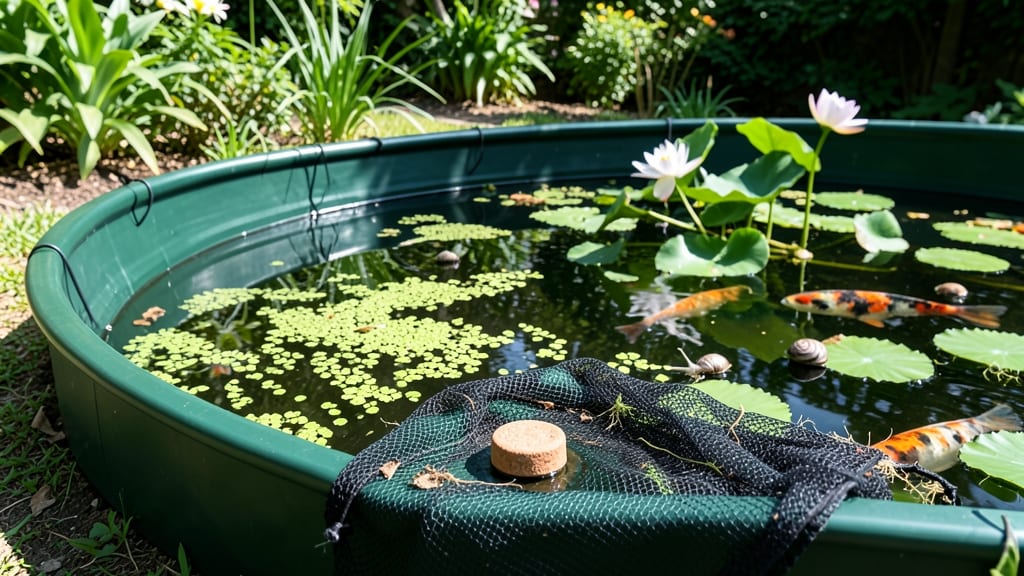
Finding aquatic gardens near you reveals tranquil spots showcasing koi ponds, vibrant lotus flowers, and thriving wetland ecosystems like water lilies and cattails. These spaces often combine natural beauty with educational exhibits, making them perfect for peaceful outings or family visits.
Many of these aquatic gardens double as living classrooms, where you can learn about local ecosystems while enjoying the sights and sounds of nature. 🌿 For instance, some feature interactive displays explaining how water filtration works or how different plants support wildlife.
I always recommend visiting during late spring or summer when the lotus blooms are in full color—it transforms the experience into something truly magical.
If you're new to aquatic gardens, start by checking your city's botanical gardens or nature preserves. Many offer free admission days or discounted group rates, making them accessible for all visitors.
Pro tip: Bring a camera—these gardens often have hidden photo spots with stunning reflections and vibrant colors that make for perfect keepsakes.
💡 In This Article
- What Makes a Great Aquatic Garden: Plant and Water Feature Essentials
- How to Find and Visit the Best Aquatic Gardens in Your Area
What makes a great aquatic garden: plant and water feature essentials
Aquatic gardens thrive through a delicate balance of plant selection and water feature engineering. The foundation lies in choosing plants suited to your climate zone—hardy varieties like water lilies (Nymphaea spp.) thrive in USDA zones 4-11, while tropical lotus (Nelumbo nucifera) requires zones 9-11.
These plants aren't just decorative; they perform critical ecosystem functions like oxygenating water through photosynthesis and providing habitat for amphibians. For example, cattails (Typha latifolia) can filter up to 90% of pollutants from water, making them ideal for natural purification systems.
The water circulation system is equally vital—stagnant water breeds algae and mosquitoes, while proper flow maintains oxygen levels. Most professional aquatic gardens use low-volume pumps (200-500 GPH) to create gentle currents without disturbing delicate plants.
The soil mix matters too: submerged plants need anaerobic (low-oxygen) clay or sand, while marginal plants like iris (Iris pseudacorus) prefer moist, well-draining soil.
Sunlight is the final piece—full sun (6+ hours/day) fuels lotus blooms, while partial shade (3-6 hours) suits water lilies better. 🌸
Designing for wildlife adds another layer of complexity. Koi ponds often incorporate gravel bottoms with buried aeration stones to prevent sediment buildup, while native wetland gardens include willow trees (Salix spp.) for erosion control.
The best aquatic gardens create microhabitats—shallow edges for dragonflies, deep zones for fish, and floating plants to shade the water. This layered approach isn't just aesthetic; it mimics natural ecosystems, supporting biodiversity while reducing maintenance needs.
Seasonal considerations separate good aquatic gardens from exceptional ones. Many feature dormant plant strategies—like water hyacinth (Eichhornia crassipes) that dies back in winter but returns vigorously in spring. Others incorporate year-round interest plants such as hardy water irises that bloom from late spring to early summer.
The most successful gardens also account for local wildlife migration patterns, like timing lotus plantings to coincide with monarch butterfly visits in late summer.
Don't overlook the role of water chemistry—pH levels between 6.5-7.5 are ideal for most aquatic plants, while koi ponds require ammonia-free testing kits to monitor fish health. The best gardens maintain buffer systems using limestone or dolomite to stabilize pH naturally.
This scientific approach ensures the garden remains vibrant without relying on chemical treatments that can harm wildlife. 💧
For those in cooler climates, hardy varieties like the yellow flag iris (Iris pseudacorus) become essential—their rhizomes survive winters underground while sending up new growth each spring. In warmer regions, blue flag iris (Iris versicolor) thrives in USDA zones 3-9, offering striking purple blooms that attract pollinators.
These plant choices reflect how aquatic gardens can be both visually stunning and ecologically functional, proving that beauty and biodiversity go hand-in-hand.