
Watering
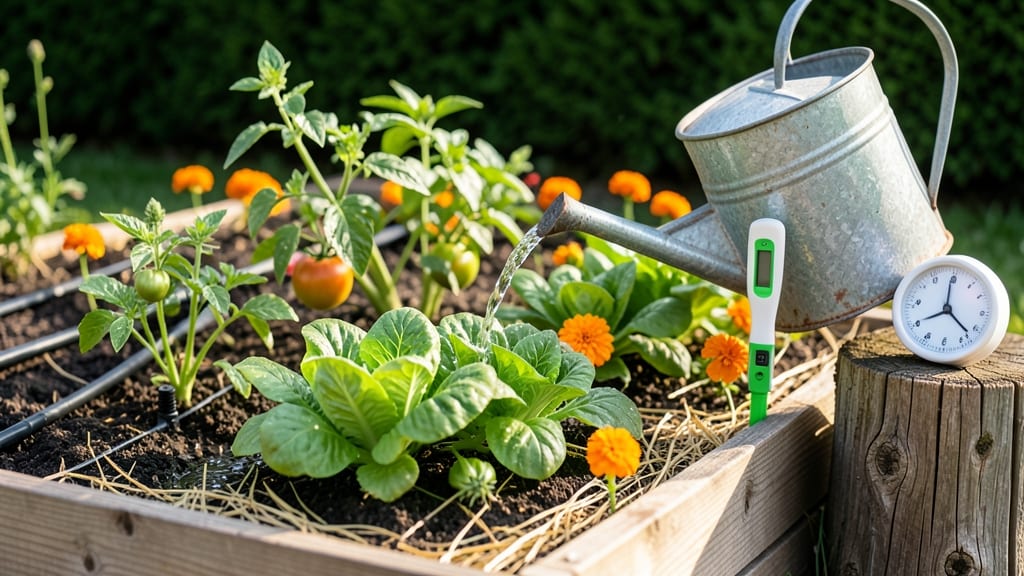
Watering your garden the right amount is the difference between thriving 🌱 plants and wasted effort—and knowing how much to water garden depends more on your soil than your watering can.
Overwatering or underwatering your garden can stifle growth—or worse, kill your plants—so mastering the perfect watering schedule based on soil conditions is the secret to lush, thriving vegetation.
Think you’re doing it right? Sandy soil drains in hours, while clay holds moisture for days. A quick soil test can tell you exactly how much water your garden plants need—and when to hold back.
Below, I break down a soil-based schedule, signs your plants are thirsty or drowning, and the best tools to make watering effortless. No guesswork, just green growth.
Soil test-based watering schedule: how much to water garden plants by soil type
Your garden's soil type determines how often and how much you should water. Sandy soil drains too quickly, while clay soil holds water like a sponge, and loamy soil strikes the perfect balance. Understanding these differences prevents overwatering or underwatering, both of which stress plants and stunt growth.
Before setting a schedule, perform a simple soil test by squeezing a handful of damp soil. If it crumbles easily, it's sandy. If it forms a tight ball, it's clay. Loamy soil holds shape loosely. This quick check tells you exactly how your garden's moisture retention behaves.
| Soil Type | Watering Frequency | Water Amount per Session | Evaporation Rate | Seasonal Adjustments |
|---|---|---|---|---|
| Sandy Soil | Every 1-2 days | 1-1.5 inches deep | Very High | Increase by 30% in summer |
| Loamy Soil | Every 3-4 days | 0.75-1 inch deep | Moderate | Reduce by 20% in winter |
| Clay Soil | Every 5-7 days | 0.5-0.75 inches deep | Low | Add mulch to prevent cracking |
For sandy soil, watering feels like a constant game of catch-up. This soil drains so fast that plants often need daily watering in summer, especially for shallow-rooted plants like lettuce or radishes. Use a soaker hose to deliver water slowly and evenly, ensuring moisture reaches deeper roots.
Loamy soil, the gardener's gold standard, retains moisture beautifully while allowing excess to drain. This means you can water deeply every 3-4 days and trust the soil to hold nutrients.
Add organic mulch like straw to lock in moisture and reduce evaporation, cutting your watering needs by up to 30%.
Clay soil presents its own challenges: water pools on the surface, creating a suffocating environment for roots. Instead of frequent light watering, give clay soil a slow, deep drink every 5-7 days. Amend the soil with compost to improve drainage and prevent the dreaded soil crusting that blocks oxygen.
Seasonal shifts demand adjustments. In summer, sandy soil may need watering twice daily, while clay soil might only require an extra deep soak every 4 days. Winter watering should be reduced by 50% for all soil types, as evaporation slows and plants enter dormancy.
Use a moisture meter to check soil conditions before watering. Insert it 2-3 inches deep—if it reads dry, it's time to water. This tool eliminates guesswork and ensures you're meeting your plants' root zone needs without waste.
Group plants by their water requirements rather than soil type. For example, succulents and rosemary thrive in sandy soil with minimal water, while tomatoes and peppers prefer loamy soil with consistent moisture. This zoning makes watering more efficient and reduces stress on your plants.
Morning is the best time to water because it allows foliage to dry before evening, reducing fungal diseases like powdery mildew. Avoid watering at night, as damp leaves create a breeding ground for pathogens. If you must water in the evening, use a drip irrigation system to target roots directly.
Monitor your garden's response to adjust your schedule. Wilting leaves that don't recover after watering may signal root rot in clay soil, while yellowing foliage could mean sandy soil is leaching nutrients too quickly. Fine-tune your approach based on these visual cues to keep your garden thriving all season.
Signs your garden needs more or less water (and how to fix it)
Your garden plants send clear signals when they're thirsty or drowning in water. Wilting leaves or yellowing foliage are the most common red flags, but soil texture and root health also reveal the truth.
Ignoring these signs can lead to stunted growth or even plant death—so learning to read your garden's thirst cues is essential for any gardener.
First, check the soil moisture by sticking your finger about 1-2 inches deep. If it feels dry, your plants need water. If it's soggy, you're overdoing it. Mulch color can also hint at moisture levels—dark mulch stays wet longer, while light mulch dries out faster.
Pay attention to these visual and tactile clues to avoid common watering mistakes.
Overwatering causes root rot (mushy stems) and yellow leaves with brown edges. Underwatering leads to crispy leaf edges and drooping even after watering. Fix it by adjusting your watering schedule and improving drainage with compost or sand.
If your plants show soft, mushy stems or foul-smelling soil, you're likely overwatering. Root rot spreads quickly in soggy conditions, so act fast by reducing water and improving drainage. Amend heavy clay soil with organic matter like compost or perlite to help excess water drain away.
For potted plants, ensure containers have drainage holes and avoid letting them sit in saucers of water.
On the flip side, dry, crispy leaf edges or leaves curling inward signal underwatering. Deep watering—soaking the soil until water runs out the bottom—helps roots reach moisture. For container plants, water until it flows from the drainage holes.
In-ground plants may need drip irrigation or soaker hoses to deliver water directly to the root zone without wasteful evaporation.
Seasonal changes also affect water needs. Summer heat increases evaporation, so you may need to water daily or twice daily, while winter dormancy reduces watering to every 10-14 days. Adjust your routine by monitoring weather forecasts and soil moisture.
A simple rain gauge can help track how much natural water your garden receives, so you don't overcompensate with extra watering.
For a quick fix, use the "finger test" before watering: Insert your finger into the soil. If it feels dry up to your first knuckle, water deeply. If it's still damp, wait another day. Morning watering is ideal—it reduces evaporation and fungal risks.
Avoid watering at night, as damp foliage can attract pests and diseases. With these adjustments, your garden will thrive without guesswork.
Remember, every plant has unique needs, so observe and adapt. Succulents and cacti need far less water than tomatoes or peppers, while herbs like basil wilt quickly if thirsty.
Keep a garden journal to track what works best for your specific plants and soil type. Your green thumb will thank you! 🌱