
Light Requirements
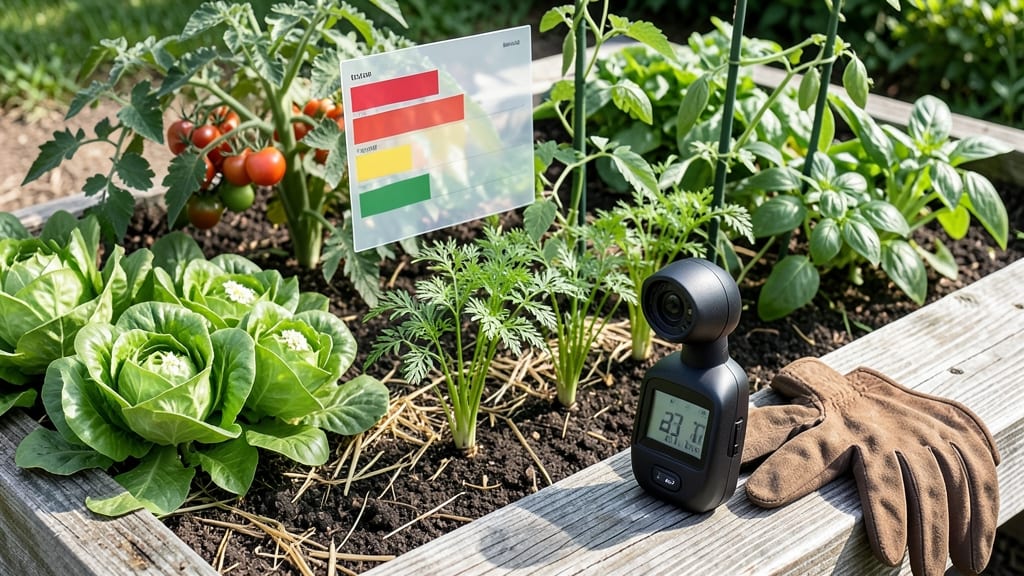
A vegetable garden needs 6 to 8 hours of sunlight daily 🥬 to thrive, but not all crops demand the same intensity—get this wrong, and you’ll end up with leggy greens or bitter tomatoes.
Struggling to grow thriving vegetables? Sunlight is the #1 factor determining your garden’s success—or failure. But not all plants need the same amount, and too much (or too little) can ruin your harvest before it starts.
Some plants, like tomatoes and peppers, crave full sun and will bolt or produce poorly with less than 6 hours of direct light. Meanwhile, leafy greens and herbs can handle partial shade, making them perfect for spots with 3 to 4 hours of morning sun.
In this guide, I’ll break down the exact sunlight needs for your favorite crops, how to measure your garden’s light, and simple tweaks to maximize growth—no matter where you garden.

Sunlight requirements by vegetable type: full sun vs. partial shade needs
Understanding sunlight requirements for your vegetable garden is like knowing the secret ingredient for a perfect recipe—get it wrong, and your harvest suffers. Tomatoes and peppers demand 8+ hours of full sun to ripen properly, while leafy greens like spinach thrive with just 3-4 hours of partial shade.
Even 1 hour less sun than needed can lead to leggy plants, poor yields, or bitter flavors.
Most gardeners assume "full sun" means all day, but afternoon shade can actually protect heat-sensitive plants like cucumbers from scorching. Meanwhile, shade-tolerant vegetables (like bok choy) grow best in dappled light or under trees. The key is matching your garden layout to each plant’s sunlight needs—not guessing.
Here’s how to categorize your vegetables by sunlight needs for maximum success:
If you’re growing tomatoes or peppers, place them in the sunniest spot—even a 1-hour deficit can delay ripening by weeks. For leafy greens, afternoon shade helps prevent bolting (when plants flower prematurely).
I once planted basil in full sun and ended up with bitter leaves—turns out, it prefers morning sun with afternoon shade!
Pro tip: Use a sunlight tracker for a week to map your garden’s light patterns. Note where shadows fall at 10 AM, noon, and 4 PM—this helps you group plants with similar needs. For example, cucumbers need full sun but benefit from afternoon shade in hot climates.
For container gardens, rotate pots weekly to ensure even sunlight exposure. Tall plants like pole beans should face south to maximize light, while shallow-rooted radishes can handle partial shade. Even herbs like parsley thrive in 3-4 hours of sun, making them perfect for north-facing beds.
One common mistake? Assuming all vegetables need full sun. In reality, 30% of common garden veggies prefer partial shade. If your garden only gets 4 hours of sun, focus on leafy greens, peas, or radishes—they’ll reward you with bolder flavors and faster growth than sun-hungry crops.
Remember: Sunlight quality matters too. Direct sun (especially midday rays) is more intense than filtered light under trees. If your garden has dappled shade, it’s ideal for bok choy or arugula. For full-sun plants, supplement with reflective surfaces (like white mulch) to boost light intensity.
Start by auditing your garden’s sunlight. Then, group plants by their needs—sun lovers together, shade-tolerant in cooler spots. Your harvest will thank you with healthier plants, bigger yields, and sweeter flavors all season long. 🌱☀️✂️
How to measure and adjust sunlight for your garden layout
Sunlight isn’t just light—it’s the lifeblood of your vegetable garden. But how do you know if your yard gets enough? The answer lies in measuring sunlight exposure accurately. Start by observing your garden from sunrise to sunset.
Use a sunlight journal to track how many hours each spot gets direct rays, especially during peak summer months when shadows shrink.
Most gardeners assume their yard is uniform, but microclimates create big differences. A north-facing bed might get only 3 hours of sun while a south-facing one soaks up 8+ hours. Even a 6-foot fence can cast a shadow that shifts with the seasons.
Before planting, map your yard’s sunlight zones using stakes or spray paint to mark shadow boundaries at different times of day.
⚠️ callout warning ⚠️
⚠️ Sunlight Shortcuts Can Backfire!
Don’t guess—measure! A 3-hour difference in sunlight can mean the difference between lush tomatoes and wilted basil. Use a sunlight calculator (like Gardenate) or place a white plate in your garden—if it stays cool, you’re in shade.
⚠️ Warning: Afternoon shade (common under trees) can scorch leafy greens while blocking sun-loving crops like peppers. Adjust layouts by placing tall plants north of shorter ones to avoid shading.
Once you’ve mapped your sunlight, group plants by their needs. Full-sun lovers (tomatoes, peppers, cucumbers) need 6-8+ hours, while partial-shade plants (lettuce, spinach, kale) thrive with 3-6 hours. Pro tip: Rotate crops annually to prevent soil depletion and ensure every bed gets optimal light for its current residents.
Uneven sunlight? Try vertical gardening—trellises for vining plants like beans or cucumbers maximize space while keeping foliage out of shade. For stubborn shade spots, opt for shade-tolerant varieties like ‘Outred’ lettuce or ‘Black Krim’ tomatoes, which handle 4-6 hours of sun better than standard types.
Don’t forget to account for seasonal changes. A spot might get full sun in summer but only partial shade in winter due to lower sun angles. Adjust your layout by planting winter crops (like spinach or carrots) in sunnier areas and reserving summer spots for heat-loving veggies.
Finally, use reflective surfaces like white gravel or light-colored mulch to bounce extra light onto shady beds. Even a 10% increase in sunlight can boost yields by 20-30% for sun-hungry crops. With these tweaks, your garden will be a sunlight-powered success—no guesswork required! 🌱☀️