
Size
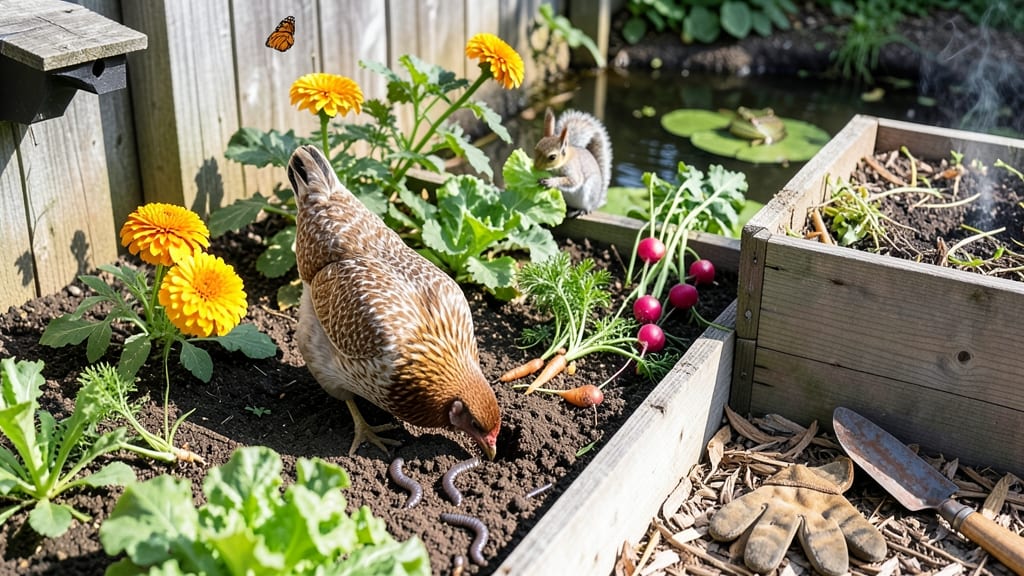
When growing a garden, each animal serves a specific function: earthworms improve soil drainage, bees transfer pollen between plants, ladybugs consume harmful insects, and birds spread seeds across areas while some small mammals might nibble on young plants. Together, these creatures create a balanced ecosystem that enhances plant vitality.
Every living creature in your garden has a specialized job that keeps plants thriving. 🌱 Earthworms, for instance, act like natural plows, breaking up compacted soil and creating channels for water and air. Meanwhile, bees and butterflies perform the crucial task of pollination, ensuring fruit and flower production.
Even "pests" like spiders contribute by controlling insect populations, while birds help spread seeds that might otherwise stay trapped in one spot. The key is understanding which species benefit your garden most and how to attract them—like planting native flowers for pollinators or leaving leaf litter for beneficial insects.
Some animals, however, require careful management. While squirrels and rabbits might look cute, they can devastate young seedlings overnight. The solution? Simple deterrents like fencing or companion planting with strong-smelling herbs can redirect their attention without harming the ecosystem.
By working with nature's helpers and gently guiding the troublemakers, you'll create a garden that's both productive and self-sustaining.
💡 In This Article
- How Animals Contribute to Soil Health and Pollination
- Balancing Beneficial and Harmful Garden Wildlife
How animals contribute to soil health and pollination
The tiny but mighty earthworm is essentially a soil engineer. These creatures ingest soil, digest organic matter, and excrete nutrient-rich castings that improve soil fertility by up to 50% in just a few months.
Their burrowing creates channels that enhance water infiltration and oxygen flow, reducing soil compaction—a common issue in heavily worked garden beds. A single worm can process half its body weight in soil daily, turning dense clay into loose, crumbly loam perfect for root growth. 🔥 The result?
Plants grow faster with deeper roots and better access to water and nutrients.
Pollinators like bees and butterflies are the unsung heroes of plant reproduction. Honeybees, for example, can visit 50-100 flowers per minute, transferring pollen between plants that would otherwise rely on wind. This cross-pollination boosts fruit set in crops like tomatoes and squash by 30-50% compared to self-pollination.
Even solitary bees, which don't live in hives, are critical for pollinating early spring flowers before honeybees become active. The key to attracting them? Planting native flowers with shallow, accessible blooms—like lavender or borage—that provide both nectar and pollen.
Decomposers like millipedes and fungi break down organic matter into simpler compounds. Millipedes, for instance, can process 10-20 times their body weight in leaf litter annually, converting it into humus that enriches soil. This process releases nitrogen and phosphorus in forms plants can absorb, reducing the need for synthetic fertilizers.
Without these decomposers, garden waste would pile up, and nutrients would remain locked away in complex organic molecules. Their work keeps the soil's nutrient cycle running smoothly, ensuring plants have a steady supply of food.
Birds play a dual role in gardens: seed dispersal and pest control. Many birds, like robins or sparrows, eat fruits and later disperse the seeds through their droppings, often in new locations where they'll germinate.
Meanwhile, insect-eating birds such as bluebirds can consume thousands of pests per day, including caterpillars and beetles that would otherwise devastate crops. Planting shrubs and trees near your garden provides perches and nesting sites, making your space more attractive to these helpful visitors. 🌟
Even microorganisms like nematodes contribute invisibly but critically. Beneficial nematodes, for example, hunt soil-dwelling pests like grubs and larvae, reducing the need for chemical pesticides. Their presence in healthy soil can cut pest populations by 50-90%, creating a natural defense system.
The best way to encourage these microscopic allies? Avoid over-tilling and use organic mulches like straw or wood chips, which create ideal habitats for them.