
Plants
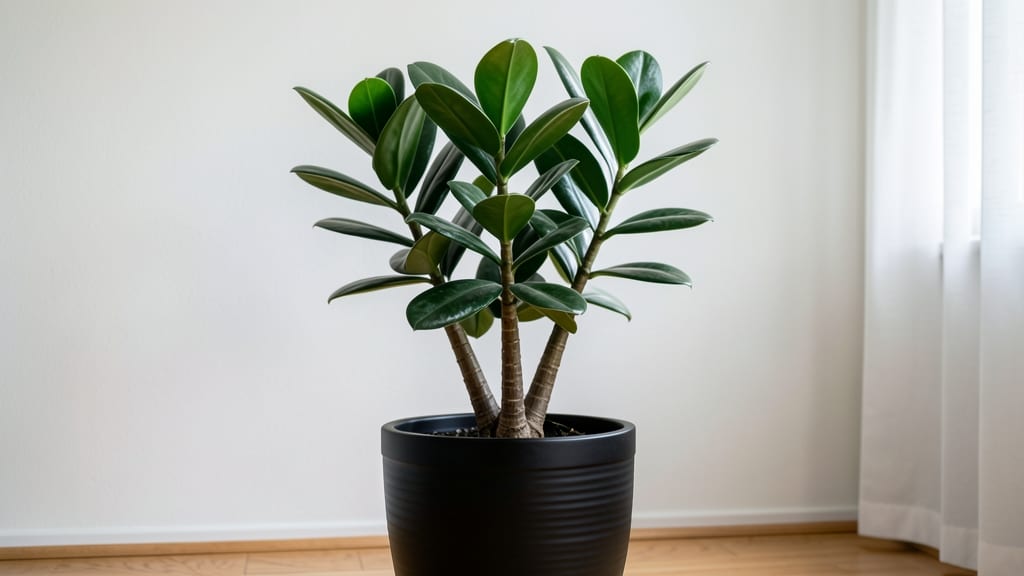
White House gardeners create iconic plantings by blending historical traditions with modern horticulture, carefully selecting native plants, seasonal blooms, and symbolic species like roses and peonies while following strict preservation standards.
A White House gardener doesn't just plant flowers—they curate living history. 🌹 These experts work with the White House Historical Association to maintain the estate's original 19th-century plantings while introducing climate-resilient species.
For example, the famous rose garden symbolizes diplomacy, while peonies represent prosperity, both carefully chosen for their symbolic weight. The challenge lies in balancing tradition with sustainability, often using heirloom seeds and drought-tolerant varieties to preserve the gardens' legacy for future generations.
What makes their work unique is the blend of practicality and symbolism. 🌿 Gardeners source plants from historic nurseries and government botanical gardens, ensuring authenticity while adapting to modern gardening techniques.
The result? Gardens that feel timeless yet vibrant, where every bloom tells a story about American history and horticultural innovation.
💡 In This Article
- How White House Gardeners Preserve Historical Landscapes
- Top Plants Used in White House Gardens & Their Symbolism
How White House gardeners preserve historical landscapes
The White House gardens aren't just decorative—they're living archives of American history. Gardeners work with meticulously researched 19th-century planting plans, often using original seed catalogs from the 1800s to recreate exact varieties.
For instance, the 1824 landscape plans by Andrew Jackson Downing guide many restoration projects, ensuring plants like climbing roses and boxwood hedges remain true to their original forms while adapting to modern climate conditions. This precision requires studying historical records and consulting with horticultural historians to verify plant identities.
Modern horticulture presents unique challenges when preserving these historic designs. Gardeners must balance 19th-century plant varieties with contemporary needs like drought tolerance and pest resistance.
For example, traditional French marigolds (Tagetes patula) grown in the 1800s required constant watering, but today's gardeners might substitute them with Mexican marigolds (Tagetes erecta) that thrive with 30% less water while maintaining the same vibrant orange blooms.
This adaptation preserves the aesthetic while making the gardens more sustainable for future generations. 🌿
The White House Historical Association enforces strict guidelines that require gardeners to document every change. Before introducing new species, they must prove how it maintains the garden's historical character—often through botanical research showing similar plants existed in the 19th century.
For example, when replacing a dying Washington's favorite peony variety, gardeners had to source seeds from the U.S. National Arboretum's historic collection to ensure genetic authenticity. This process creates a living museum where every plant tells a story about America's horticultural heritage.
Seasonal maintenance follows historical patterns too. Spring planting mirrors 19th-century techniques like direct seeding rather than modern transplants, while fall care focuses on preserving heritage fruit trees like Liberty apples that were popular during the Civil War era.
The goal isn't just preservation—it's creating an authentic experience for visitors who walk through gardens that look and feel like they did 200 years ago, complete with the same fragrances and seasonal transitions. This attention to detail transforms the White House grounds into an open-air history lesson. 🌸
Climate change adds another layer of complexity to preservation efforts. Gardeners now incorporate microclimate analysis to protect historic plants from extreme weather.
For example, the South Lawn's historic boxwood hedges (originally planted in 1932) receive drip irrigation systems that deliver water at 0.5 gallons per hour—a fraction of what 19th-century gardens would have used.
This innovation allows the hedges to maintain their manicured, geometric shapes while conserving water, proving that historical accuracy and modern sustainability can coexist. 💧
The most fascinating preservation technique involves propagation from original plants. When historic varieties become scarce, gardeners use cutting propagation from existing specimens in the White House gardens or partner institutions.
For instance, the Josephine Tey rose (a 1948 introduction) was propagated from a single cutting preserved in the Mount Vernon Gardens' archives to maintain its exact characteristics. This hands-on approach ensures that every plant in the White House gardens carries forward the original intent of America's earliest landscape designers. 🌹