
Tools
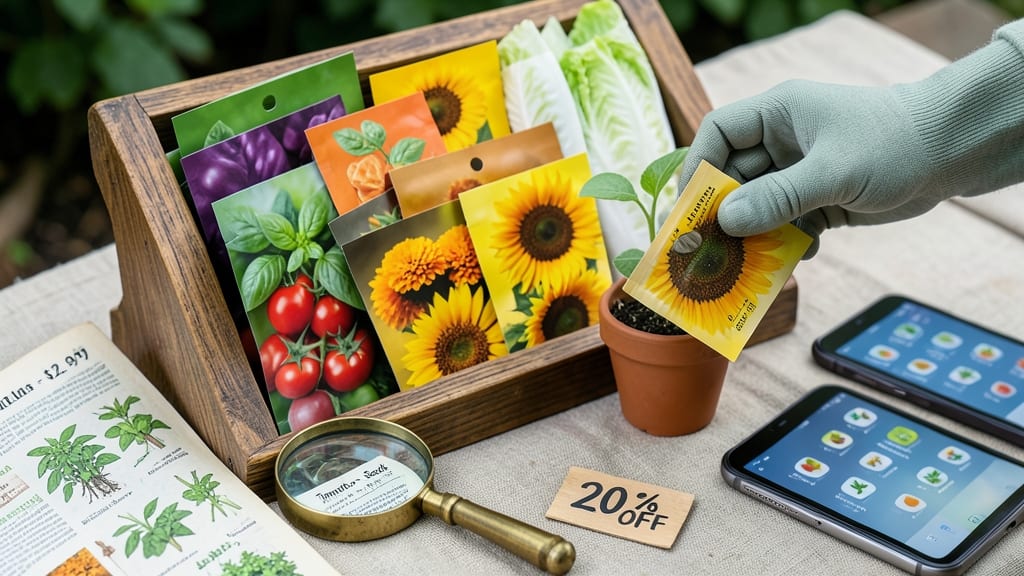
To find where to buy garden seeds, prioritize trusted suppliers like Burpee, Baker Creek Heirloom Seeds, or local nurseries for climate-matched varieties. Online stores excel in convenience and rare finds, while brick-and-mortar shops offer hands-on expertise for organic or heirloom gardening.
Your best bet depends on what you're growing and how you like to shop. 🌱 For beginners, online retailers like Burpee or Seed Savers Exchange offer detailed growing guides and organic-certified options, while local nurseries provide instant access to seeds adapted to your region.
I always recommend checking reviews for seed viability, especially when buying heirloom varieties—some online sellers include germination rates on their product pages. For bulk purchases, subscription services can save you money while ensuring fresh stock arrives just before planting season.
Don't overlook specialty seed swaps or farmers' markets either—these often carry unique, locally adapted seeds that you won't find in big-box stores. The key is balancing convenience with trustworthiness, especially when investing in rare or organic seeds that require proper growing conditions.
Always verify shipping times if ordering online, as some seeds lose viability in extreme heat or cold during transit.
💡 In This Article
- Top Online Seed Retailers for Quality and Variety
- Local vs. Online Seed Purchases: Pros and Cons
Top online seed retailers for quality and variety
When selecting online seed suppliers, seed viability and germination rates are critical factors—especially for heirloom varieties. Reputable retailers like Burpee and Baker Creek Heirloom Seeds test their seeds annually, guaranteeing at least 85-95% germination for most packets.
For example, Baker Creek’s 1905 Tomato seeds consistently achieve 92% germination when stored properly, while cheaper alternatives may drop below 70% due to poor handling during transit. 🌱
Organic certifications matter too. Companies like High Mowing Seeds (owned by Johnny’s Selected Seeds) offer USDA Organic-certified seeds, ensuring no synthetic pesticides or GMOs were used in production. Their organic basil seeds, for instance, cost $3.95 per packet but yield 30-40 plants, making them cost-effective for container gardening.
Meanwhile, Etsy hosts independent sellers specializing in rare varieties—like Black Krim tomatoes—often with handwritten growing notes from the farmer.
Shipping speed and packaging also impact seed quality. Seed Savers Exchange ships orders within 24-48 hours during peak season (March-May) and uses temperature-controlled packaging to prevent viability loss. Their moisture-resistant seed packets keep germination rates high even in humid climates.
For bulk buyers, Bonnie Plants offers discounts on 10+ packets, with free shipping for orders over $50, though their selection leans toward commercial varieties rather than heirlooms.
Customer reviews reveal hidden details about seed performance. On Burpee’s website, users report that their ‘Jazz’ cherry tomato seeds thrive in USDA Zones 4-10 but struggle in high-humidity areas unless planted in raised beds.
Meanwhile, Baker Creek’s ‘Amante’ pepper seeds (a rare Hungarian variety) receive rave reviews for their sweet, bell-like flavor, though some gardeners note they require longer growing seasons (90+ days). Always check the "Customer Q&A" section for climate-specific feedback before purchasing.
Subscription services add convenience for repeat buyers. Seedlingz delivers monthly seed packets tailored to your planting schedule, while The Seed Collection offers curated "seed of the month" clubs featuring unique varieties like ‘Dragon Carrot’.
These services often include growing guides with planting depth charts and spacing recommendations, reducing trial-and-error for beginners. 💫
For rare or experimental seeds, eBay and specialty forums (like GardenWeb) can be goldmines—but proceed with caution. Always verify seller ratings (aim for 98%+) and request recent germination test results before buying.
Some collectors even trade seeds through Seed Swaps International, where you can request locally adapted varieties from other gardeners’ harvests.