
Tools
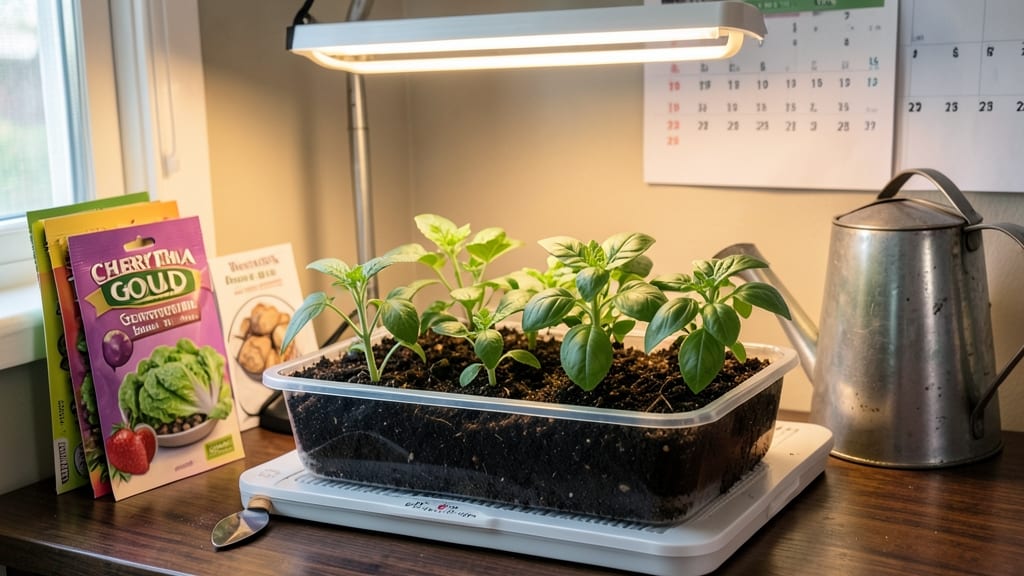
Starting garden seeds at the right time means the difference between a bountiful harvest and a season of frustration—especially when you’re balancing frost dates, plant growth rates, and daylight hours.
Picture this: you’ve spent weeks nurturing delicate seedlings indoors, only to rush them outside too soon and watch them wilt under a late frost. Or worse, you start them too late and miss the growing window entirely.
The key is a schedule tailored to your last frost date and the specific needs of each plant.
Most gardeners start seeds indoors 6 to 8 weeks before the last expected frost, but that timeline shifts for fast growers like lettuce versus slow ones like tomatoes.
Below, I’ll break down the exact indoor starting windows for popular vegetables, how to adjust for early or late seasons, and the one mistake that ruins more seed-starting plans than anything else.
By the end, you’ll know not just when to start your seeds, but how to fine-tune the process for your climate—so your garden thrives from the first sprout to the final harvest.
How to calculate your seed starting timeline using frost dates
Getting your seed starting timeline right means the difference between a thriving garden and wasted effort. The key is understanding your last frost date, your USDA hardiness zone, and each plant’s days to maturity.
Without this, you might start seeds too early (leading to leggy, overcrowded seedlings) or too late (missing the ideal transplant window).
Every gardener’s first step is finding their average last frost date. This tells you when it’s safe to move seedlings outdoors. For example, in Zone 5, the last frost is typically May 15th, while in Zone 10, it might be January 1st.
Check resources like the Old Farmer’s Almanac or your local cooperative extension service for precise dates.
Next, add the days to maturity for your chosen plants. For instance, tomatoes take 60-85 days to mature, while basil matures in just 30-45 days.
If your last frost is May 15th and you’re growing tomatoes, count backward: 85 days before May 15th lands you on February 1st—your ideal start date.
Don’t forget to account for your seedling’s indoor growing time before transplanting. Most seedlings need 4-6 weeks of indoor care before they’re strong enough to handle outdoor conditions. Adjust your start date accordingly to avoid transplant shock.
Here’s a quick formula to simplify the process: Last Frost Date – Days to Maturity – Weeks of Indoor Growing Time = Seed Starting Date. For example: May 15th (frost) – 70 days (tomatoes) – 6 weeks (indoor) = January 20th.
| Plant Type | Days to Maturity | Indoor Grow Time | Start Date (Zone 5) | Notes |
|---|---|---|---|---|
| Tomatoes | 60-85 days | 4-6 weeks | Feb 1 - Feb 15 | Hardens off before transplant |
| Peppers | 60-90 days | 8-10 weeks | Jan 15 - Feb 1 | Needs warm soil to thrive |
| Lettuce | 30-50 days | 2-3 weeks | Mar 15 - Apr 1 | Can direct sow after frost |
| Basil | 30-45 days | 3-4 weeks | Mar 1 - Mar 15 | Sensitive to cold |
| Broccoli | 50-70 days | 5-6 weeks | Feb 15 - Mar 1 | Tolerates cooler temps |
Regional differences play a huge role in seed starting. If you’re in Zone 3 (like Minnesota), your frost dates are much later than in Zone 10 (like Southern California).
For example, Zone 3 gardeners might start tomatoes indoors in March, while Zone 10 gardeners can start them as early as December.
Another critical factor is soil temperature. Some plants, like peppers and eggplants, need warm soil to germinate. If your soil is still cold, consider using a seedling heat mat or waiting until soil temperatures reach 60°F or higher.
Always check your local frost-free date to avoid transplanting too soon.
Pro tip: Keep a gardening journal to track your frost dates and seed-starting success. Over time, you’ll notice patterns—like how early starts might need grow lights
Best seed starting times for popular vegetables & herbs
Not all seeds are created equal when it comes to timing. Tomatoes and peppers need a long indoor head start, while lettuce and basil can often be sown directly outdoors.
The key is matching your plant's maturity time with your last frost date—and knowing whether to start early, mid-season, or late. For example, tomatoes need 6-8 weeks indoors before transplanting, while basil can handle a quick 4-6 week indoor jump.
Let’s break down the perfect schedules for your garden staples.
Your local frost dates are the foundation of your seed-starting calendar. If you’re in USDA Zone 5, you’ll need to adjust timings by 2-4 weeks earlier than Zone 8. For instance, peppers, which take 8-10 weeks to mature, should start indoors 8-10 weeks before your last frost.
Meanwhile, fast-growing herbs like cilantro can wait until 3-4 weeks before transplanting—or even direct-sow after frost. The table below simplifies these calculations for your most-loved plants.
For slow growers like tomatoes, I recommend starting seeds 6-8 weeks indoors—but if you’re in a shorter growing season, push it to 8-10 weeks.
Use grow lights to prevent leggy seedlings, and harden off plants for 7-10 days before transplanting. Peppers, which need warmth, should never be rushed; their 8-10 week indoor start ensures they’re ready for your garden’s heat.
Pro tip: Label seed trays with start dates to avoid confusion when seedlings are ready!
Fast growers like lettuce and radishes can often be direct-sown after your last frost, but starting them indoors 4-6 weeks early gives you a jump on pests and weather delays. Herbs like basil and cilantro also benefit from a short indoor head start, especially if your spring is chilly.
Once you’ve mastered these timings, you’ll never again waste seeds on plants that outgrow their season—or struggle to mature before frost.
Adjust your schedule based on microclimates in your yard. A south-facing window or greenhouse can extend your growing season, while a shady spot may require earlier starts. Always check your seed packet for specific variety notes—some heirloom tomatoes need even longer indoor times than hybrids.
With this chart as your guide, you’ll have healthy, robust plants ready to thrive in your garden when the time is right. 🌱