
Planting
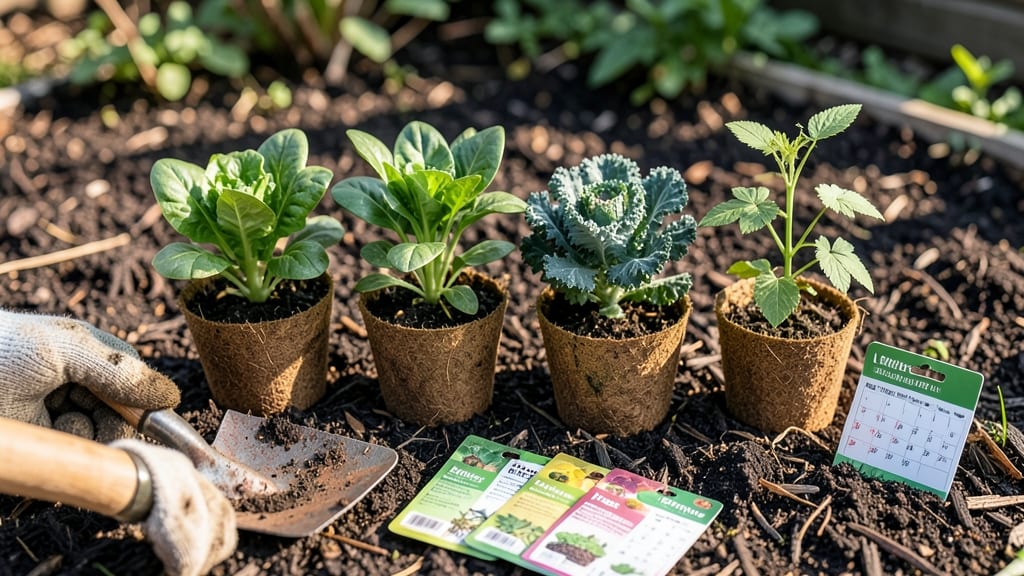
Planting a garden in Ohio means timing your seeds and seedlings to dodge frost and maximize your harvest—and the window opens earlier than you think.
Ohio’s unpredictable frost dates can turn a gardener’s dream into a frozen nightmare—unless you know the exact planting windows for your zone. Timing is everything, and missing these deadlines could mean wilted dreams before your seeds even sprout.
With USDA Zone 6a as the baseline, most Ohio gardeners should start cool-season crops like peas and spinach by early March, while warm-season favorites like tomatoes and peppers wait until after the last frost date—April 15 in most regions.
Below, I break down the month-by-month planting schedule for Ohio’s most popular vegetables, including when to start seeds indoors, when to transplant, and how to adjust for your specific microclimate—whether you’re in northern Ohio’s cooler pockets or southern Ohio’s milder stretches.
Ohio planting Zones explained: when to start seeds indoors vs. direct-sowing outdoors
Ohio spans USDA Hardiness Zones 5b to 6b, meaning frost dates vary dramatically from northern to southern regions. In Zone 5b (northwest Ohio), the average last frost date is April 28, while Zone 6b (southern Ohio) typically sees its last frost by April 15.
These dates determine whether you’ll need to start seeds indoors 6-8 weeks early or can direct-sow outdoors after the soil warms.
For cool-season crops like lettuce, spinach, and peas, you can direct-sow as early as March 15 in southern Ohio or April 1 in northern areas.
Meanwhile, warm-season crops such as tomatoes, peppers, and basil require soil temperatures above 60°F—usually after May 1—and often need indoor starts 4-6 weeks before transplanting.
Here’s the key: Northern Ohio gardeners (Zones 5b-6a) should plan to start tomatoes and peppers indoors by March 1 to transplant after the last frost, while southern Ohio gardeners (Zone 6b) can delay indoor starts until March 15.
This timing ensures seedlings are stocky and ready when it’s safe to move them outdoors.
Direct-sowing outdoors is only safe after the soil reaches 50°F for cool crops and 60°F for warm crops. Use a soil thermometer to avoid guessing—cold soil can stunt growth or kill seedlings.
In Ohio, this often aligns with late April to early May, but always check your local National Weather Service for updates.
For cool-season crops, prioritize early sowing (e.g., spinach, kale, and radishes) in March for a spring harvest. These can often tolerate light frosts and may even taste sweeter after a light freeze.
Meanwhile, warm-season crops like tomatoes, peppers, and cucumbers should never be planted until after the last frost, or they’ll linger and rot in cold soil.
Ohio’s first frost typically arrives between October 15 and November 1, depending on the zone. This means late-summer crops like beans, squash, and corn should be planted by July 1 to mature before frost.
For fall greens such as kale and arugula, you can direct-sow as late as August 15 in southern Ohio or September 1 in northern areas.
Pro tip: Use row covers or cold frames to extend your growing season by 2-4 weeks in both spring and fall. These tools protect tender seedlings from late frosts and allow you to harvest longer into autumn. Just remember to remove covers during the day to prevent overheating.
If you’re new to seed starting, begin with easy-to-grow crops like basil, lettuce, or marigolds. These tolerate slight mistakes in timing and germinate quickly, giving you confidence before tackling fussy crops like eggplants or okra.
Always label your seedlings and keep them in a sunny window or under grow lights for 12-16 hours of light daily.
Finally, monitor your local microclimate. Urban areas may experience earlier last frosts due to the heat island effect, while rural areas might have later frosts. Check with your local Cooperative Extension office
Critical mistakes Ohio gardeners make with planting timing (and how to avoid them)
Ohio’s unpredictable frost dates and microclimates create a perfect storm for planting mistakes. I’ve seen frost-killed seedlings in urban heat islands and bolted lettuce in rural areas—both from misjudging timing. The key is understanding your local frost patterns and adjusting for urban vs. rural differences.
Even experienced gardeners fall into traps like planting warm-season crops too early or ignoring soil temperature. These errors lead to stunted growth, poor yields, or worse—total crop failure. The good news? With a few adjustments, you can extend your growing season and avoid common pitfalls.
⚠️ Warning: 3 Timing Mistakes That Kill Ohio Gardens
- Planting too early: Frost damage to tender seedlings (e.g., tomatoes, peppers) before May 15 in most zones.
- Ignoring microclimates: Urban areas warm faster than rural—plant heat-lovers 2 weeks earlier in cities.
- Missing succession deadlines: Fall crops planted after August 15 risk premature bolting before frost.
Use row covers to push limits by 2-3 weeks in spring/fall. Monitor soil temps—60°F+ is critical for warm-season crops.
One of the biggest mistakes is planting based on calendar dates instead of actual frost data. For example, northern Ohio (Zone 5b) has a last frost date of April 20, while southern Ohio (Zone 6b) averages May 5.
Even within cities, urban heat islands can delay frost by 1-2 weeks.
To avoid bolting in heat-sensitive crops like lettuce or spinach, plant cool-season crops by April 1 and succession plant every 2 weeks until June 15. For warm-season crops, wait until soil reaches 60°F—usually mid-May—and use row covers to extend the season by 3-4 weeks in fall.
Another critical error is overlooking first frost dates. In northern Ohio, the average first frost hits October 15, but southern Ohio often sees November 1.
Plant fall crops like kale or radishes by August 1 to ensure harvest before frost. Cold frames can push this back by 4-6 weeks.
For urban gardeners, pavement and buildings create microclimates that warm faster. Test your soil temperature with a soil thermometer—if it’s below 50°F, delay planting warm-season crops like peppers or eggplants. Rural areas may need to wait until May 20 for safe planting.
Pro tip: Use Ohio State University’s frost maps (available online) to track 3-year averages for your exact location. Adjust your planting dates by 1-2 weeks if recent years show earlier/later frosts. With these tweaks, you’ll avoid common mistakes and enjoy a longer, more productive garden. 🌱