
Planting
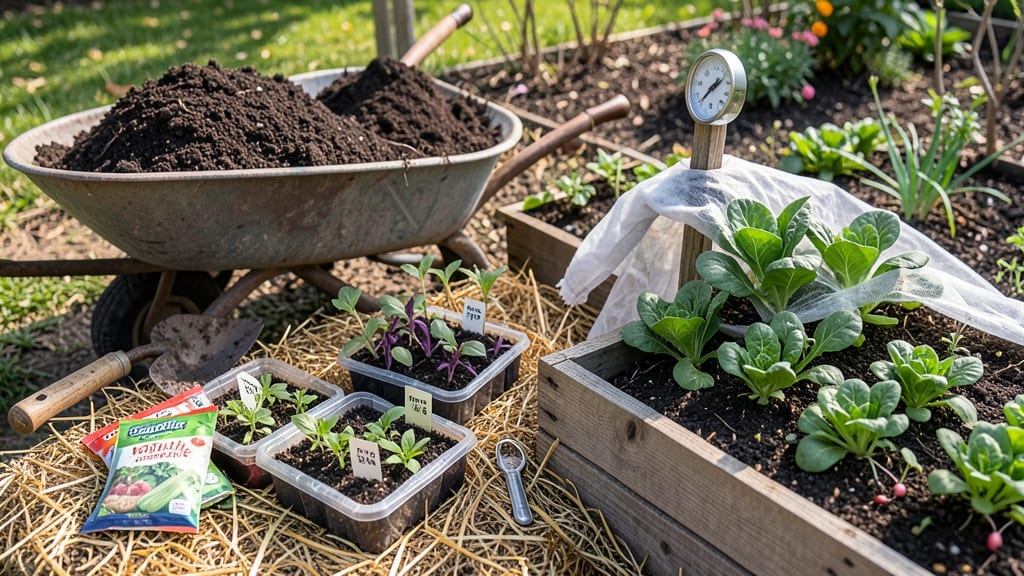
To plant your garden in Ohio, aim for mid-April to early May after the last frost date — but timing varies wildly by crop and zone.
Ohio’s unpredictable frost dates can turn your gardening dreams into a gamble—unless you know the exact windows for planting by zone and crop type. Get your timing right, and your garden will thrive; get it wrong, and you’ll be chasing pests or wilting plants all season.
In Zone 6a, where most of Ohio falls, cool-season crops like spinach and peas can go in as early as March, while tomatoes and peppers need to wait until late May to avoid frost damage.
Even a week off can mean the difference between a bountiful harvest and a sad, stunted garden.
Below, I’ll break down the perfect planting schedule for Ohio’s most popular vegetables, how to adjust for microclimates, and smart tricks to extend your growing season—so you can enjoy fresh 🌱 produce from spring to fall.
Ohio’s frost-free planting deadlines by hardiness Zone (2024 guide)
Ohio’s last frost dates vary dramatically from the northern hills of Zone 5a to the southern valleys of Zone 6b. In 2024, knowing these deadlines means the difference between a bountiful harvest and a wasted seed packet.
Urban gardens in Columbus (Zone 6a) often warm up 1-2 weeks earlier than rural areas in Toledo (Zone 6b), while Appalachian foothills in Zone 5a can linger in frost until mid-May. Let’s break down the critical planting windows by zone and crop type.
For warm-season crops like tomatoes, peppers, and cucumbers, timing is everything—plant too early, and a surprise frost will kill seedlings before they sprout. For cool-season crops like spinach, kale, and peas, the opposite is true: planting too late means bolting or poor yields.
Ohio’s frost-free season typically spans 160-200 days, but microclimates—like urban heat islands or lake-effect cooling near Lake Erie—can shift your planting window by 10 days or more.
Here’s your zone-by-zone guide to Ohio’s 2024 frost-free deadlines, including average last frost dates and microclimate adjustments for urban vs. rural areas. Use this to plan your direct sowing and transplanting schedules like a pro.
| Zone | Avg. Last Frost | Safe Planting Window | Urban Adjustment | Rural Adjustment | Warm-Season Crop Example | Cool-Season Crop Example |
|---|---|---|---|---|---|---|
| 5a (NE Ohio) | May 10–15 | May 16–June 10 | +3–5 days (heat island) | –5–7 days (cooler valleys) | Tomatoes (late June) | Peas (March–April) |
| 5b (N Central) | May 1–5 | May 6–May 25 | +2–4 days | –3–5 days | Peppers (late May) | Spinach (March–May) |
| 6a (Central Ohio) | April 20–25 | April 26–May 10 | +4–6 days | –4–6 days | Cucumbers (late April) | Kale (Feb–March) |
| 6b (S Central) | April 10–15 | April 16–April 30 | +5–7 days | –5–7 days | Eggplant (early April) | Lettuce (Feb–April) |
| 7a (SW Ohio) | April 1–5 | April 6–April 20 |
Best planting schedule for Ohio’s top 10 vegetables (from cool to warm)Ohio’s diverse climate means cool-season crops like spinach can thrive in early spring, while heat-loving tomatoes need to wait until soil warms. The key? Succession planting and knowing your last frost date—typically mid-April in Zone 5a and early April in Zone 6b. I’ve broken down the best planting windows for Ohio’s top 10 vegetables, so you can maximize your harvest from spring to fall. For cold-hardy greens like lettuce and kale, you can start as early as March under row covers. Meanwhile, warm-season staples such as peppers and eggplants need to wait until after May 15 to avoid frost damage. Below, I’ll share my month-by-month planting schedule, including succession planting tips to keep your garden productive all season. 🌱 Ohio’s Top 10 Vegetables: Planting Schedule by Month
For Zone 6b gardeners, you’ve got a slight edge—earlier last frosts mean you can plant warm-season crops like cucumbers and squash by April 15. Meanwhile, Zone 5a growers should focus on cold-hardy varieties like ‘Winterbor’ kale |