
Planting
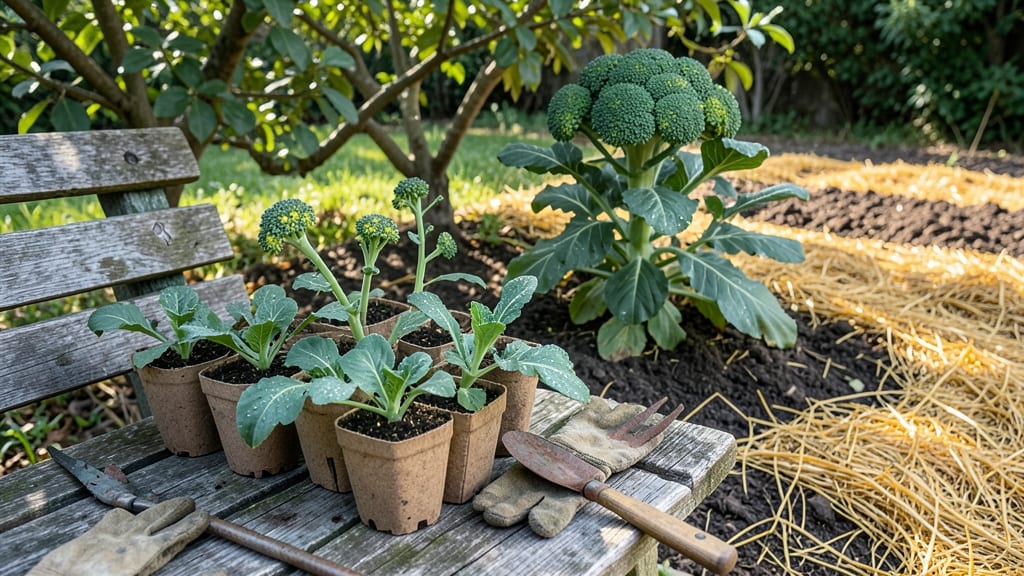
Planting a vegetable garden in Seattle at the right time means the difference between a thriving harvest and a wasted season—and the clock starts ticking in early spring.
Seattle’s unpredictable weather can make or break your vegetable garden 🥬—planting at the wrong time means stunted growth or total failure, while perfect timing guarantees a bountiful harvest. Here’s your precise, crop-by-crop planting schedule tailored to Seattle’s USDA Zone 8a climate.
Cool-season crops like lettuce and peas thrive when soil temperatures hit 40°F, often as early as late February, while warm-season favorites like tomatoes and peppers need to wait until after the last frost—usually mid-April—when soil warms to 50°F.
Below, I break down the exact months for each crop, how to adjust for Seattle’s rainy springs and early frosts, and the pro tips that keep your garden productive from March through October.
Seattle’s Best planting months by vegetable type (with frost date adjustments)
Seattle’s cool, wet springs and mild summers create a unique gardening challenge. Unlike warmer climates, timing is everything—plant too early, and frost will kill tender seedlings; too late, and your harvest suffers.
The average last frost date of March 15–April 15 and first frost risks by October 15–November 15 dictate your planting calendar. Cool-season crops thrive in early spring and fall, while warm-season plants need summer’s warmth to flourish.
To maximize your harvest potential, I’ve broken down the best planting windows for cool-season vs. warm-season crops, including adjustments for succession planting and container gardening.
Whether you’re a beginner or seasoned gardener, these guidelines will help you avoid common pitfalls like bolting lettuce or blossom-end rot in tomatoes.
Pro Tip: Use row covers or cold frames to extend early spring planting by 2–4 weeks, especially for peppers and eggplants, which hate cold soil. For containers, start seeds 4–6 weeks earlier than in-ground planting since they warm up faster.
For cool-season crops like lettuce and peas, I recommend starting seeds indoors in February for early spring harvests. Transplant seedlings outdoors once soil temperatures reach 40°F—typically by mid-March. These crops handle light frosts (down to 25°F for peas), making them ideal for Seattle’s unpredictable spring.
Warm-season crops such as tomatoes and peppers need consistent warmth (soil 60°F+) to thrive. Wait until mid-May to plant these outdoors, or use grow lights for early starts. If you’re using containers, place them in south-facing spots to absorb heat and extend the growing season.
Succession planting is key to continuous harvests. For example, sow bush beans every 2 weeks from May to July to enjoy fresh pods all summer. Similarly, radishes mature in just 30 days, so plant them every 2 weeks for a steady supply.
In containers, stagger plantings by 10–14 days to maximize space.
Seattle’s acidic soil (pH 5.0–6.0) can stunt growth, so amend beds with compost or lime before planting. For container gardens, use a well-draining potting mix with added perlite to prevent root rot.
Mulch heavily in fall to protect roots from early frosts and retain moisture during dry summer spells.
Don’t forget about fall planting! Many cool-season crops
How to extend Seattle’s growing season for earlier harvests or late-planted crops
Seattle’s cool, wet climate and short frost-free season can feel like a gardener’s worst enemy—but with the right strategies, you can push your harvest windows.
Whether you’re craving spring greens weeks earlier or fall tomatoes before frost, techniques like cold frames and row covers can add critical weeks to your season. The key is choosing the right tools for your specific crops and avoiding common pitfalls like overwatering or poor airflow.
I’ve tested these methods in my own Seattle garden, and the difference between a 6-week extension and a 10-week boost often comes down to microclimate selection and protective structures.
For example, my south-facing raised beds near the house stay 5–10°F warmer than shaded ground beds, letting me plant spinach and kale in early March instead of April. Meanwhile, a simple hoop tunnel over my pepper plants in September kept them producing until early November.
Extend Your Growing Season: Pros & Cons
Cold Frames
- ✅ Pros: Extends season 4–8 weeks; no electricity needed; protects from light frosts.
- ✅ Best for: Leafy greens, herbs, radishes, early peas.
- ❌ Cons: Can overheat in sun; requires ventilation; limits plant height.
- ❌ Risk: Fungal growth if airflow is poor.
Row Covers
- ✅ Pros: Lightweight; cheap and reusable; protects from pests and light frosts.
- ✅ Best for: Broccoli, cauliflower, cabbage, late tomatoes.
- ❌ Cons: Reduces sunlight by 30%; needs sturdy supports in wind.
- ❌ Risk: Condensation if not ventilated.
Raised Beds
- ✅ Pros: Warms up 2–3 weeks faster than ground soil; better drainage; extends fall harvests.
- ✅ Best for: Root crops (carrots, beets), warm-season plants (peppers, eggplants).
- ❌ Cons: Dries out faster; requires more frequent watering; higher upfront cost.
- ❌ Risk: Overheating in summer without shade.
Microclimates
- ✅ Pros: Free and natural; south-facing walls add 10–15°F warmth.
- ✅ Best for: Heat-loving plants (tomatoes, basil, peppers) in urban gardens.
- ❌ Cons: Limited to small areas; may attract more pests.
- ❌ Risk: Uneven soil temps if not monitored.
For early spring planting, I swear by cold frames filled with compost-rich soil—they let me sow spinach and arugula in late February, even when ground temps hover near freezing. The secret? Black plastic mulch underneath to absorb heat during the day and ventilation flaps to prevent overheating.
I also seed-start indoors 8 weeks before the last frost, then transplant into the cold frame for a 2-week head start.
When extending the fall season, row covers are my go-to for tomatoes and peppers. Last year, my ‘Early Girl’ tomatoes kept producing until mid-November under a floating row cover, thanks to sturdy hoops and daily checks for condensation.
Pro tip: Water before dawn to reduce morning dew buildup, which can smother plants. I also side-dress with compost in early September to give late-season crops a nutrient boost.
One