
Light Requirements
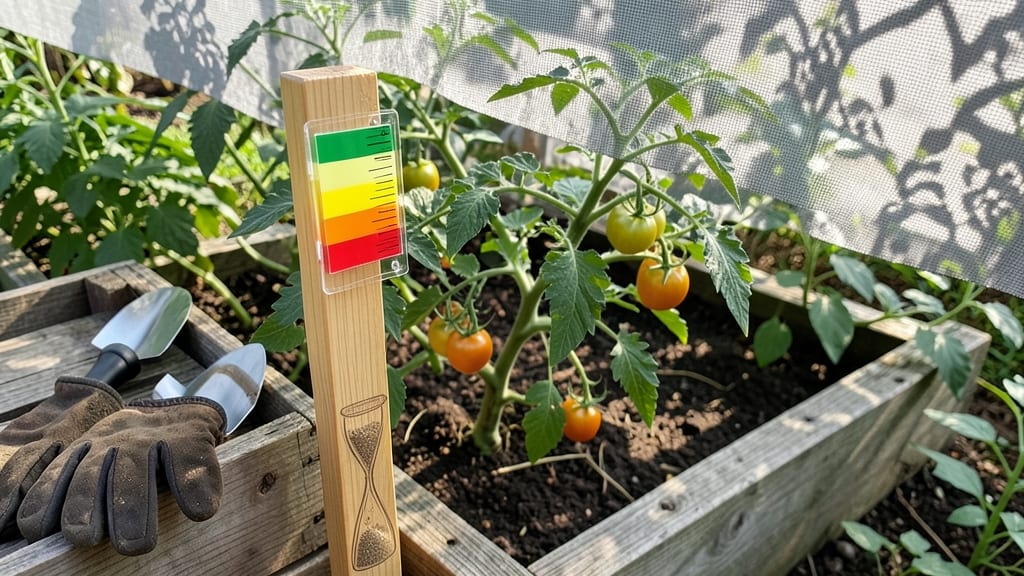
A vegetable garden needs 6 to 8 hours of sunlight daily to produce strong, healthy plants and a bountiful harvest 🌱 — but not every crop demands the same amount.
Ever wondered why your tomato plants are struggling or your lettuce bolts too quickly? The answer often lies in sunlight—too much or too little can make or break your harvest.
Understanding how many hours of sunlight your vegetable garden truly needs is the first step to growing a thriving, productive plot.
Some vegetables, like tomatoes and peppers, thrive in full sun and need at least 6 hours of direct light to set fruit. Others, such as leafy greens and root vegetables, do just fine with partial shade and 3 to 4 hours of sunlight.
Knowing the difference saves you from wasted effort and disappointed harvests.
In this guide, I’ll break down the sunlight needs for common vegetables, show you how to measure sunlight in your garden, and share tips to maximize growth—whether you’re working with a sun-drenched plot or a shady corner. Let’s get your garden growing right!


Sunlight requirements by vegetable type: full sun vs partial shade explained
Understanding how many hours of sunlight your vegetable garden needs is crucial for success. Most vegetables thrive with 6-8 hours of direct sunlight, but some can tolerate less. For example, tomatoes and peppers demand full sun, while leafy greens like spinach can handle partial shade.
Let’s break down the sunlight requirements for common garden vegetables so you can place them correctly.
First, identify your garden’s sunlight patterns. Observe which areas receive morning sun, afternoon sun, or full-day light. South-facing spots typically get the most sun, while north-facing areas may stay shady.
Use this information to group plants with similar sunlight needs together, ensuring each gets the right amount for optimal growth.
Here’s a quick reference for sunlight requirements by vegetable type, including full-sun lovers and shade-tolerant crops:
For full-sun vegetables like tomatoes and peppers, place them in the sunniest spots of your garden. These plants need at least 6 hours of direct sunlight daily to produce fruit and thrive.
If your garden lacks full sun, consider using reflective surfaces like white mulch or mirrors to bounce extra light onto plants.
On the other hand, partial-shade vegetables such as lettuce and spinach prefer 3-6 hours of sunlight and can even tolerate afternoon shade
How to measure and optimize sunlight exposure in your garden
Sunlight is the lifeblood of your vegetable garden, but not all plants need the same amount. While tomatoes and peppers thrive in 6-8 hours of full sun, leafy greens like spinach can handle 3-4 hours of partial shade.
Before planting, I always assess my garden’s sunlight patterns to match crops with their ideal light conditions. This simple step can transform struggling plants into thriving harvests.
Start by observing your garden’s sunlight patterns over a full week, not just a sunny day. Use a notebook or smartphone app to track how shadows shift throughout the day.
Note which areas receive morning sun, afternoon shade, or full sun all day. This helps me identify microclimates in my garden where certain plants will excel or struggle.
For precise measurements, consider using a sunlight meter or DIY method like a stake and string. Place a vertical stake in your garden and mark it with string at hourly intervals to track sunlight exposure.
Alternatively, use a sun calculator app to estimate sunlight based on your location and garden layout. These tools reveal hidden opportunities to optimize plant placement.
Most vegetable gardens need 6-8 hours of sunlight daily for maximum yield, but leafy greens and root vegetables can thrive with 3-6 hours. Tomatoes, peppers, and cucumbers are full-sun lovers and require at least 6 hours to produce well. Adjust your planting plan based on these needs to avoid wasted space or struggling plants.
To maximize sunlight in shady areas, try raised beds or reflective surfaces like white gravel or mirrors. These tricks bounce extra light onto plants that need it. For example, I placed a raised bed against my south-facing fence to give bush beans the extra sunlight they needed.
Even a light-colored mulch can reflect more sunlight onto plant bases.
If some areas get too much sun, use shade cloth or plant taller crops like corn or sunflowers to provide natural shade for heat-sensitive plants. I often pair spinach with tomato cages to give the greens afternoon shade while the tomatoes get their full sun.
This strategic pairing ensures both plants thrive without competing for light.
Don’t forget to account for seasonal sunlight changes. Summer solstice offers the longest daylight hours, while winter brings shorter days. Adjust your garden layout seasonally—move shade-loving plants to sunnier spots in winter or add seasonal shade for summer crops.
With these simple optimizations, you’ll create the perfect light environment for every plant in your garden.