
Planting
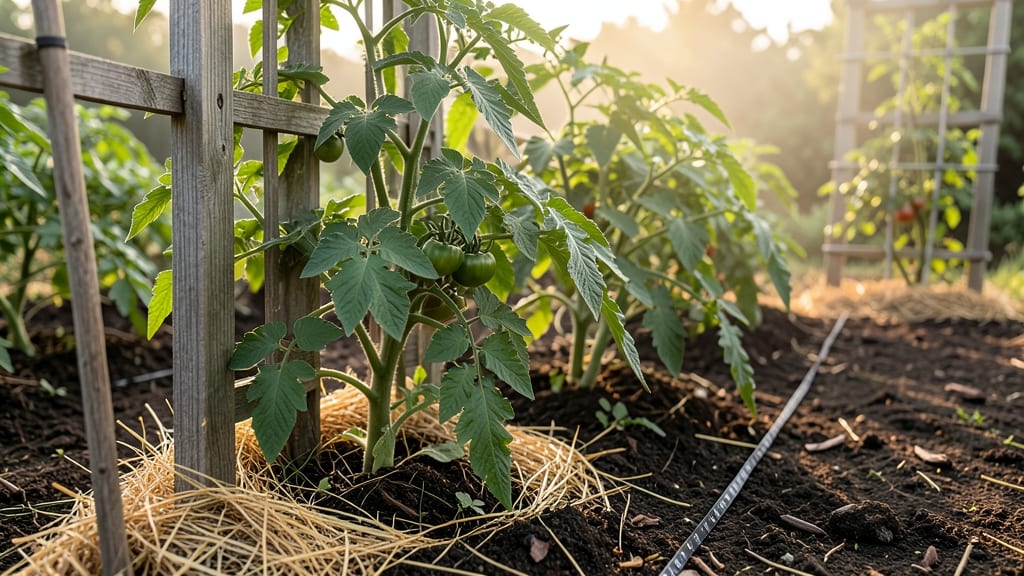
Spacing your tomato garden correctly is the difference between a bountiful harvest and a disappointing few fruits—and the right layout depends on your variety, soil, and garden style.
Picture this: you’ve spent weeks nurturing your 🍅 plants, only to watch them struggle under crowded conditions, leaving you with blight-ridden leaves instead of juicy tomatoes. The fix? Strategic spacing that balances airflow, sunlight, and root room—without wasting precious garden space.
Whether you’re working with determinate bushes or sprawling indeterminate vines, the numbers matter. Too close, and your plants compete for nutrients; too far apart, and you’re leaving yield on the table.
I’ll break down the exact spacing rules for rows, containers, and raised beds—plus how to adjust for dwarf varieties or companion plants like basil.
By the end, you’ll know how many tomato plants fit per foot, when to thin them, and how to spot the warning signs of overcrowding before it’s too late. Let’s turn your garden into a high-yielding tomato machine.
Optimal tomato garden spacing by variety: determinate vs indeterminate plants
Getting the right spacing between tomato plants can transform your harvest from disappointing to downright abundant. Determinate and indeterminate tomatoes have completely different spacing needs, yet many gardeners treat them the same.
I’ve learned the hard way—crowded indeterminate vines flop over, while determinate bushes get disease-prone from poor airflow. Let’s fix that with science-backed spacing guidelines tailored to each type.
Determinate tomatoes—those bushy varieties like 'Roma' or 'Celebrity'—produce all their fruit at once and stay compact. Indeterminate varieties like 'Sungold' or 'Better Boy' keep growing and fruiting until frost, requiring vertical support and wider spacing.
The key difference? Airflow and sunlight exposure. Poor spacing leads to blight, stunted growth, and fewer tomatoes. Here’s how to space them perfectly for your garden layout.
For determinate tomatoes, I recommend spacing plants 18–24 inches apart in rows that are 2–3 feet apart. This gives them enough room to bush out without shading neighbors. Varieties like 'Early Girl' or 'Patio' thrive in this setup, especially in raised beds or containers.
The wider row spacing (3 feet) ensures better airflow, reducing the risk of early blight or powdery mildew—two common issues in crowded tomato patches.
Indeterminate tomatoes, on the other hand, need 24–36 inches between plants and 3–4 feet between rows. These vining giants can grow 6–10 feet tall, so they require strong trellises or cages to support their weight.
Without proper spacing, their sprawling vines compete for sunlight, leading to smaller fruit and increased disease. I’ve seen 'Brandywine' plants produce 50% more tomatoes when spaced correctly with a sturdy trellis versus being crammed into tight rows.
If you’re growing tomatoes in containers or small spaces, opt for dwarf varieties like 'Tiny Tim' or 'Balcony Red'. These can be spaced 12–18 inches apart in rows 1.5–2 feet apart, making them perfect for balcony gardens or window boxes.
Just ensure each container has at least 5 gallons of soil to support healthy root growth. For cherry tomatoes like 'Sungold', I use a 24-inch spacing in rows 2 feet apart—this keeps the plants manageable while maximizing yield.
Pro tip: Mulch around your tomato plants after planting to retain moisture and suppress weeds. I use straw or shredded leaves, which also help regulate soil temperature. Avoid mulching too close to the stem, as this can trap moisture and encourage fungal diseases.
Pair your tomatoes with companion plants like basil or marigolds to further improve airflow and deter pests. Basil, for example, can repel whiteflies while enhancing tomato flavor!
One mistake I’ve seen gardeners make is overestimating their space. If you’re short on room, consider vertical gardening with tall trellises or espalier training for indeterminate varieties. This lets you grow more plants in less space while still meeting their airflow needs.
For square-foot gardening, place 1 tomato plant per square foot for determinate types and 1 plant per 1.5 square feet for indeterminate ones.
Remember, soil quality and watering consistency also impact
How many tomato plants per foot? Calculating plant density for different garden layouts
Figuring out how many tomato plants fit in a single foot of garden space can feel like solving a puzzle. The right spacing ensures your plants get enough sunlight, airflow, and nutrients to produce healthy fruit and avoid disease pressure.
Whether you're using rows, grids, or containers, the key is balancing plant density with their mature size and growth habits.
For most gardeners, the rule of thumb is 1 plant per foot for standard varieties, but this changes based on your layout. Dwarf tomatoes can handle 2-3 plants per foot, while indeterminate vining types need 2-3 feet of space.
Let’s break down how to calculate spacing for your specific setup to maximize yield without overcrowding.
| Layout Type | Spacing (Feet) | Plants per Foot | Best For |
|---|---|---|---|
| In-Ground Rows | 18-24" apart | 1 plant per 1.5-2 ft | Standard varieties |
| Square Foot Grid | 12" apart | 4 plants per sq ft | Dwarf or bush types |
| Raised Beds | 12-18" apart | 2-3 plants per 2 ft | Indeterminate vining |
| Containers (5+ gal) | 1 plant per container | N/A (1 plant) | Dwarf or patio types |
| Companion Planting | 18-24" apart | 1 plant per 1.5-2 ft | Basil, marigolds, onions |
If you’re practicing square-foot gardening, divide your grid into 1-foot squares and place 1-4 tomato plants per square, depending on their size. For example, Cherry tomatoes (dwarf) fit 4 per square foot, while heirloom slicers (standard) need 1 per square foot.
Always leave space between rows—aim for 3 feet between tomato rows to improve airflow and reduce fungal diseases like blight.
For container gardening, stick to 1 tomato plant per 5-gallon pot. Smaller pots (1-3 gallons) work for bush varieties like 'Tiny Tim' or 'Patio Princess,' but larger containers (10+ gallons) can support 1 indeterminate plant with a sturdy trellis.
Remember, containers dry out faster, so monitor soil moisture closely to prevent stress.
Adjust your spacing if you notice yellowing leaves or stunted growth—these are red flags for overcrowding. Thin out seedlings early to avoid competition, and prune suckers regularly to improve airflow. With the right density, your tomatoes will thrive and produce a bumper crop all season long!