Planting
Planting your garden in Pennsylvania at the right time means the difference between a thriving harvest and a season of disappointment.
Pennsylvania’s diverse climate—from the humid Appalachians to the frost-prone Poconos—means planting your garden at the wrong time can spell disaster for your crops.
But get the timing right, and you’ll enjoy a bountiful harvest without the stress of late frosts or wilting heat. Whether you’re in Philadelphia’s Zone 7a or Pittsburgh’s Zone 6b, knowing when to plant your 🌱 garden is the key to success.
In this guide, I’ll break down the exact months for cool-season crops like spinach and peas, warm-season favorites like tomatoes and peppers, and how to adjust for Pennsylvania’s unpredictable weather.
Pennsylvania planting zones & exact months for risk-free success
Pennsylvania spans USDA Zones 4a through 7a, meaning your planting schedule depends heavily on where you live. The Poconos (Zone 4a) can see frosts as late as May 15, while Philadelphia (Zone 7a) typically warms up by April 15.
These differences are critical—planting tomatoes in Pittsburgh too early (Zone 6a) risks frost damage, while spinach sown too late in Scranton (Zone 5a) bolts prematurely.
To simplify, I’ve broken down the last average frost dates for each zone and mapped out the ideal planting windows for both cool-season and warm-season crops.
These timelines account for regional microclimates, like the urban heat islands of Philadelphia or the mountain valleys of the Alleghenies, which can delay or accelerate warming.
For cool-season crops like lettuce, peas, and kale, the key is to sow seeds as soon as the soil is workable—usually 4–6 weeks before your last frost date.
In Zone 4a, that means starting in mid-March, while Zone 7a gardeners can plant as early as January. These crops thrive in cool temperatures (40–75°F) and often tolerate light frosts
How to adjust planting dates for Pennsylvania’s unpredictable weather
Pennsylvania’s unpredictable spring frosts and late-season heatwaves can turn even the most eager gardener into a nervous nelly. One year, your tomato seedlings might be thriving by Memorial Day—only to get nipped by a May frost the next.
The key? Flexible planting strategies that account for Mother Nature’s mood swings while still giving your garden the best shot at success.
Instead of relying on calendar dates, I focus on three critical factors: soil temperature, frost-free predictions, and plant hardiness. For example, cool-season crops like spinach and peas can handle light frosts, while warm-season plants like cucumbers and peppers need consistent warmth to thrive.
Let’s break down how to adjust your planting timeline to match Pennsylvania’s variable climate.
- Use a Frost Clock: Check Penn State Extension’s frost predictions (updated weekly) and wait until 3 consecutive days above 50°F for warm-season crops.
- Test Soil Temperature: Warm-season plants need soil at 60°F+. Use a soil thermometer—don’t guess! Cool-season crops tolerate 40-50°F soils.
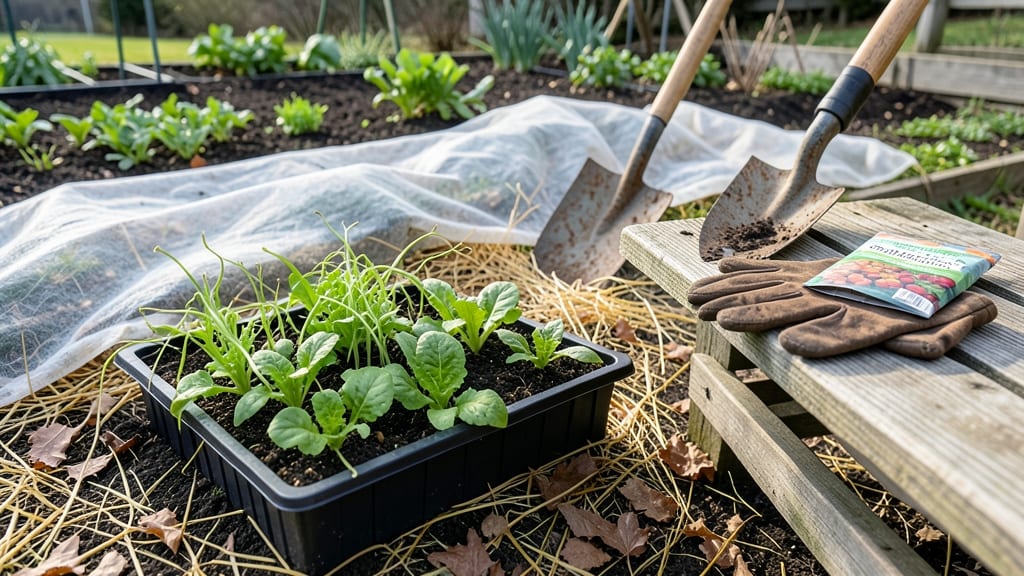
- Extend the Season: Use row covers or cold frames to plant 2-3 weeks earlier for cool crops or 2 weeks later for warm crops.
- Choose Hardy Varieties: Opt for ‘Early Girl’ tomatoes or ‘Sugar Snap’ peas, bred to handle PA’s short growing seasons.
- Plant in Stages: Sow successive crops every 2 weeks (e.g., lettuce) to ensure a continuous harvest, regardless of weather delays.
One of my biggest mistakes was planting zucchini too early in Zone 6 last spring, only for a late-May frost to wipe out my seedlings. Now, I wait until June 1st as a safety net—even if the soil is warm earlier.
For cool-season crops, I start spinach and kale in early April, but I always have a backup batch ready for late August planting.
Don’t forget about microclimates! A south-facing slope in Pittsburgh warms up faster than a shady valley in Scranton. If you’re unsure, observe your garden’s sun exposure for a week—note where frost lingers longest. This helps you time plantings for specific spots in your yard.
For warm-season staples, I’ve found that transplanting seedlings (instead of direct-sowing) gives me a 2-week head start. Start peppers and eggplants indoors in March, then move them outside after the last frost. This trick has doubled my harvest in years with cool, wet springs.
Finally, keep a gardening journal to track your planting dates and outcomes. Note which years had early frosts or unseasonable warmth, and adjust accordingly. Over time, you’ll develop a customized planting schedule that beats Pennsylvania’s unpredictable weather every time. 🌱