
Planting
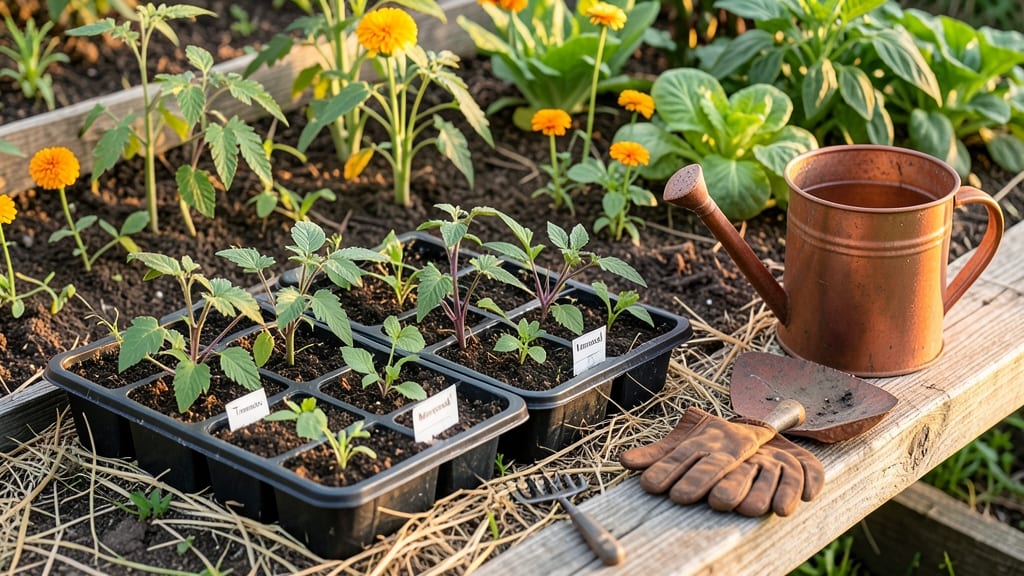
Planting your garden in Ohio at the right time means the difference between a bountiful harvest and a sad, frost-nipped disappointment.
Ohio’s unpredictable spring weather can turn a gardener’s dream into a frost-bitten nightmare—unless you plant at the perfect time. Timing your garden by county ensures your tomatoes, peppers, and herbs thrive, not wilt.
With USDA Zone 6a conditions, knowing when to start seeds indoors, when to transplant tender plants, and how to adjust for late frosts is the key to success. Skip the guesswork and get the exact frost-free dates for your area.
Below, I’ll walk you through Ohio’s planting windows—from cool-season crops in early spring to warm-season favorites in late May—plus how to stretch your growing season for a longer harvest.
Ohio’s frost-free dates by county: when to plant vegetables for maximum yield
Ohio’s last frost dates vary dramatically by county, making precise timing essential for warm-season crops like tomatoes and peppers. In USDA Zones 5-6, southern counties like Hamilton (Cincinnati) average April 15 frost-free, while northern Ashtabula County often waits until May 10.
These differences can mean the difference between a bountiful harvest and a frost-killed garden.
For cool-season crops like spinach and kale, the opposite rule applies—plant 4-6 weeks before your county’s first frost, which typically arrives between October 15 (southern Ohio) and October 25 (northern Ohio). This timing ensures your greens mature before winter sets in.
Below is a county-by-county breakdown of Ohio’s 2024 average frost dates, tailored for vegetable gardeners. Use these as your guide to align planting with Ohio’s microclimates and avoid common mistakes like planting tomatoes too early in cooler zones.
Pro Tip: Always monitor your local Almanac’s frost predictions or use a soil thermometer (ideal planting temp: 60°F+ for warm crops). Southern Ohio’s earlier springs let you squeeze in two harvests of beans or zucchini, while northern gardeners focus on one extended season.
In southern Ohio counties like Hamilton and Franklin, you can start tomatoes and peppers as early as April 22-27, giving you a longer growing season for heat-loving crops. Meanwhile, northern counties like Ashtabula should wait until mid-May to avoid late spring frosts, which can devastate young seedlings.
For cool-season crops, the opposite strategy applies. In Hamilton County, plant spinach and lettuce by September 1 to harvest before frost, while Ashtabula County gardeners should aim for August 20 to maximize their shorter season. Succession planting every 2 weeks ensures a continuous harvest.
Ohio’s microclimates also play a role. Urban areas like Columbus often experience 2-3°F warmer temperatures than rural zones, allowing for slightly earlier planting. If you’re unsure, use row covers to protect young plants until the last frost date passes.
Remember: Soil temperature matters more than air temperature. Use a soil thermometer to confirm 60°F+ for
How to adjust planting times for Ohio’s microclimates and unpredictable weather
Ohio’s diverse geography—from the Great Lakes’ cooler climates in Ashtabula County to the warmer southern valleys near Hamilton—means planting times can vary by weeks or even months.
Southern Ohio’s USDA Zone 6 areas often see frost-free dates as early as April 15, while northern zones like Zone 5 may not reach safe planting until May 10 or later. These microclimates demand flexibility in your garden plan.
Even within the same county, urban heat islands and low-lying areas can create pockets of warmth that allow earlier planting of heat-loving crops like tomatoes and peppers. Meanwhile, late spring frosts—common in Ohio—can strike as late as May 15, forcing gardeners to use protective measures or wait longer.
Understanding these variations is key to avoiding wasted seeds and stunted plants.
To extend your growing season in cooler northern Ohio, invest in cold frames or low tunnels. These simple structures can raise soil temperatures by 10-15°F, allowing you to plant cool-season crops like spinach and kale 2-3 weeks earlier in spring or 2 weeks later in fall.
For example, in Lorain County, where last frosts average April 25, a cold frame lets you start broccoli by March 20 instead of waiting until April.
For hotter southern Ohio counties like Scioto or Adams, focus on heat-tolerant varieties of tomatoes (e.g., ‘Celebrity’ or ‘Heatmaster’) and peppers (e.g., ‘Jalapeño M’ or ‘Cayenne’).
These varieties thrive in 90°F+ temperatures that would scorch traditional plants. Pair them with shade cloth during peak summer heat to prevent blossom drop in tomatoes.
Succession planting is another microclimate hack. In warmer southern Ohio, sow fast-growing crops like radishes or lettuce every 2 weeks from April through July.
In cooler northern regions, stretch your harvest by planting fall crops like carrots or kale in early August—they’ll mature before the first frost. This strategy ensures a continuous harvest regardless of Ohio’s unpredictable weather.
Finally, monitor soil temperatures with a soil thermometer—most seeds need 50-60°F soil to germinate. In northern Ohio, wait until soil hits 55°F before planting peas or beans; in southern Ohio, you might start as early as April 1 in protected beds.
Adjust your schedule based on weekly weather forecasts and local Cooperative Extension Service updates for real-time frost predictions.