
Planting
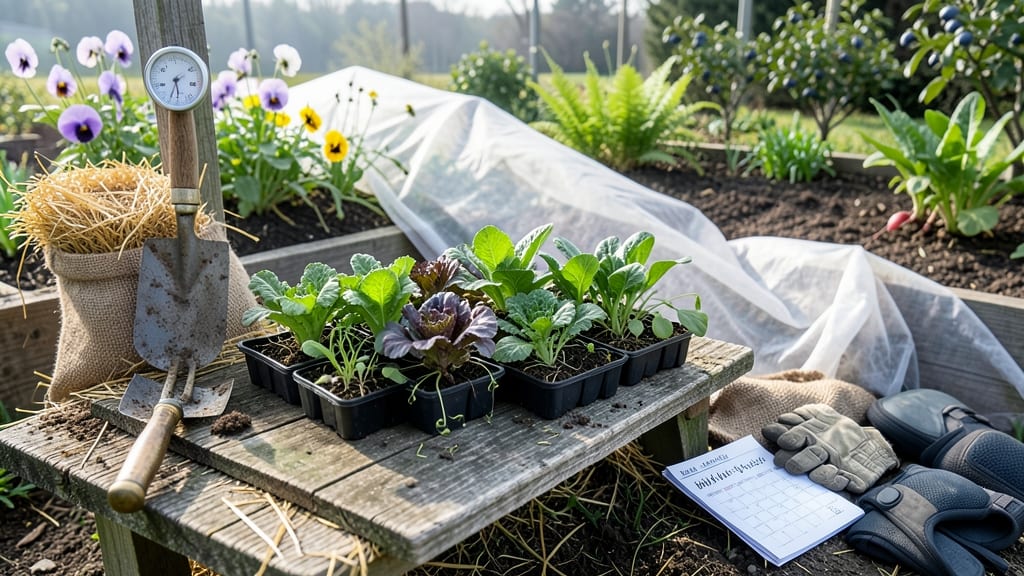
To plant a garden in Maine, timing is everything—miss the last frost dates by even a week, and your hard work could vanish overnight.
Maine’s unpredictable climate can turn a thriving garden into a frost-killed disappointment—or help you grow the most bountiful harvest in your neighborhood.
With USDA zones 5b-6b and frost-free days averaging just 150, knowing when to start seeds indoors, transplant seedlings, and sow directly in the soil makes all the difference.
Most gardeners in Maine begin preparing in March, starting cool-season crops like peas and lettuce as soon as the soil thaws.
By mid-May, when the last frost typically passes, it’s time to plant warm-season favorites like tomatoes and peppers—but only if the ground has warmed to at least 50°F.
Below, I break down the exact planting schedule by crop, regional frost dates, and pro tips for extending your growing season. Whether you’re a beginner or a seasoned gardener, these deadlines will help you avoid the most common mistakes—and maximize your harvest before the first frost hits in October.
Maine’s frost-free dates by region: when to start planting
Maine’s short growing season means timing your plantings can make or break your garden. The state spans USDA zones 4a–6b, with frost-free dates varying by 1–2 weeks across regions.
Southern Maine (like Portland) typically sees its last frost by May 10–15, while northern areas (e.g., Bangor) often wait until May 25–June 1. These dates determine whether your tomatoes or peppers thrive or wither.
Understanding your microclimate is key. Coastal areas (like Bar Harbor) may warm faster due to ocean influence, while inland valleys (e.g., Augusta) can linger colder. Always check local historical frost data—the Maine Climate Office provides 30-year averages to guide your decisions.
For example, Southern Maine averages 150 frost-free days, while Northern Maine gets only 120–130 days.
Here’s how to use these dates for your garden:
| Region | Last Frost Date | First Frost Date | USDA Zone | Cool-Season Planting | Warm-Season Planting |
|---|---|---|---|---|---|
| Southern Maine (Portland, York) | May 10–15 | October 10–15 | 5b–6a | March–April (peas, spinach) | May 15–June 1 (tomatoes, peppers) |
| Coastal Maine (Bar Harbor, Camden) | May 15–20 | October 5–10 | 5a–5b | April–May (lettuce, kale) | May 20–June 1 (beans, squash) |
| Northern Maine (Bangor, Presque Isle) | May 25–June 1 | September 20–October 5 | 4a–5a | May–June (radishes, carrots) | June 10–July 1 (cucumbers, basil) |
| Central Maine (Augusta, Waterville) | May 20–25 | October 1–10 | 5a–5b | April–May (onions, broccoli) | May 25–June 10 (eggplant, melons) |
*Dates are averages—always monitor local forecasts for real-time adjustments.
Cool-season crops like kale, spinach, and peas can handle light frosts and should be planted 4–6 weeks before your last frost date.
For Southern Maine, that means early March under row covers, while Northern Maine gardeners should wait until late April. Warm-season crops (tomatoes, peppers, squash) need soil temperatures above 50°F (10°C), so hold off until after your last frost date.
Pro tip: Use Maine’s "3-4-5 Rule"—if your region’s last frost is May 15, plant warm-season crops by May 1 to ensure they mature before frost.
For example, tomatoes need 80–100 days to harvest, so Southern Maine can start them by May 15, but Northern Maine should wait until June 1.
Extend your season with row covers or cold frames to plant 2–3 weeks earlier for cool-season crops. In Southern Maine, you might even squeeze in a fall planting of radishes or spinach in early September.
Just remember: Northern Maine’s shorter season limits late plantings—focus on fast-growing varieties like bush beans or lettuce.
For perennials and shrubs, timing matters too. Plant blueberries or rhubarb in early spring (April–May) when soil is workable but before buds break. In USDA Zone 5b (most of Maine), this means late April for Southern regions and early May for Northern areas.
Track your local frost dates using the National Weather Service or Maine Agricultural Weather Network. These tools provide real-time alerts for unexpected late frosts. For instance, a May 30 frost in Bangor can devastate unprotected tomato plants—so always have <
Best planting schedule for Maine’s top 10 garden crops
Maine gardeners know timing is everything—especially with our short growing season. Whether you're planting potatoes in cool spring soil or tomatoes after the last frost, getting the schedule right means the difference between a bountiful harvest and wasted effort.
Below is my month-by-month guide for Maine’s most popular crops, tailored to USDA zones 5b-6b and accounting for our unpredictable frost dates.
For cool-season crops like lettuce and peas, you can start as early as March under row covers, while warm-season crops like tomatoes and peppers need to wait until after Memorial Day. Succession planting is key—especially for leafy greens and radishes—to keep your kitchen stocked all summer long.
- 1
- 2
- 3
- 4
- 5
Pro tip: Use row covers to extend the season for cool-season crops like spinach into early summer or protect tomatoes from late frosts. For blueberries, choose early varieties like Patriot or Bluecrop, which thrive in Maine’s acidic soils.
Don’t forget succession planting! For example, sow radishes every 2 weeks from May through July to ensure a steady supply. And if you’re growing tomatoes, opt for early-maturing varieties like Early Girl or Stupice to beat Maine’s short season.
Plan ahead for fall planting, too. By late July, you can start broccoli and cabbage indoors for a September transplant. With the right schedule, you’ll enjoy fresh homegrown produce well into October!