
Planting
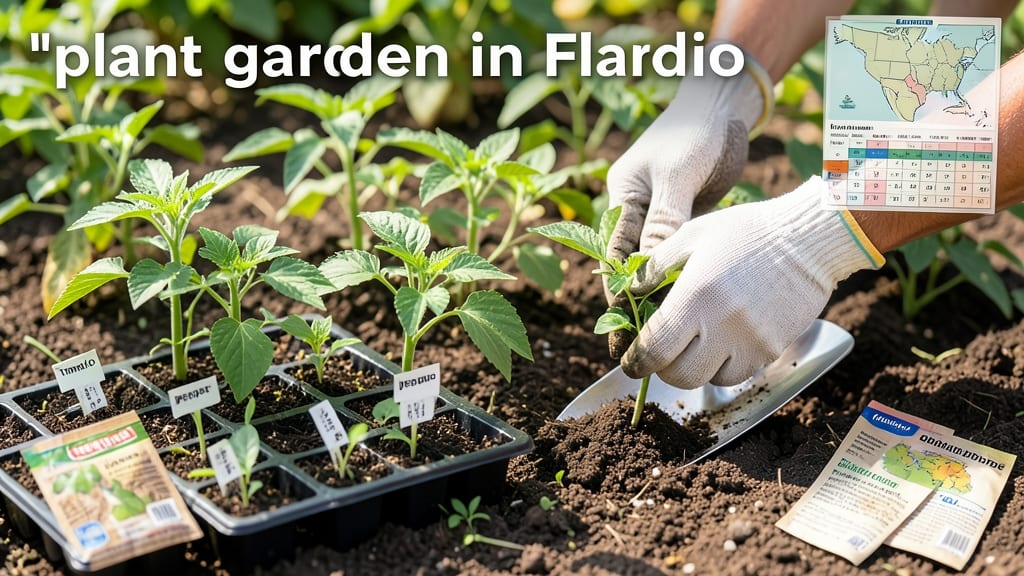
To plant a garden in Florida, timing is everything—because the wrong month can mean wilting heat or lost harvests before the season even starts.
Florida’s year-round growing potential 🌴 is a gardener’s dream, but the state’s 11 distinct zones mean your neighbor’s perfect schedule might fail you. North Florida’s cool-season crops need to hit the ground by mid-February, while South Florida’s tropicals can go in any month—except during hurricane season.
Below, I break down the exact planting windows for vegetables, flowers, and native plants in each zone, plus the heat-tolerant crops that thrive when most gardens call it quits.
You’ll learn how to avoid common mistakes, like planting heat-sensitive greens in July or ignoring microclimates that can add weeks to your growing season.
Florida planting calendar by zone: exact months for vegetables, herbs & flowers
Florida’s unique climate—spanning USDA Zones 8a-11—means gardeners in North Florida face occasional frost, while South Florida enjoys year-round warmth. The key to success? Understanding your planting zone and aligning crops with Florida’s two distinct seasons: cool (fall/winter) and warm (spring/summer).
Even within zones, microclimates (like coastal areas vs. inland) shift planting windows by weeks.
For example, North Florida gardeners (Zones 8a-9a) should plant cool-season crops like broccoli and spinach in September-October to avoid frost, while South Florida gardeners (Zones 10a-11) can grow warm-season crops like tomatoes and peppers year-round. Hurricane season (June-November) also demands flexibility—always have backup planting dates for vulnerable crops.
Here’s your zone-by-zone breakdown, including frost-free dates, hurricane considerations, and the best months to plant vegetables, herbs, and flowers for maximum yields. Use this as your Florida-specific planting guide to avoid common timing mistakes.
In North Florida (Zones 8a-9a), your last frost date is typically around January 15, so cool-season crops like broccoli and spinach should be transplanted in September-October to establish roots before winter.
For warm-season crops, wait until February-March or August-September to avoid 90°F+ heat stress. Pro tip: Use row covers to extend cool-season growing into late winter.
Central Florida (Zones 9b-10a) offers a longer growing window, with rare frosts in December. Plant cool-season crops in October-November and February-March, while warm-season crops thrive from March-April and September-October.
This zone is ideal for year-round greens like Swiss chard, which tolerates mild winters. Hurricane season is a bigger concern here—always have backup seeds for late-season plantings.
South Florida (Zones 10b-11) is a tropical gardener’s dream, with no frost risk and year-round planting for most crops. However, peak summer heat (June-August) can stress even heat-tolerant plants like okra and sweet potatoes.
For greens and herbs, provide afternoon shade during these months. Hurricane season (June-November) means prioritizing wind-resistant plants like palms and citrus in exposed areas.
Regardless of your zone, succession planting is key to continuous harvests. For example, in North Florida, sow bush beans every 2 weeks from March to July for a steady supply. In South Florida, stagger tomato plantings every 4-6 weeks to avoid overwhelming your plants.
Always check soil temperatures—most seeds need 60°F+ to germinate, while warm-season crops like peppers prefer 70°F+.
Don’t forget herbs and flowers! Many thrive in Florida’s heat, like
Top 10 heat-tolerant crops to plant in Florida’s summer (and how to extend their season)
Florida’s summer heat can be brutal—90°F+ temps and high humidity test even the hardiest plants. But with the right heat-tolerant crops, you can enjoy a bountiful harvest year-round. These 10 Florida-friendly plants thrive in scorching conditions, and I’ll show you how to extend their season for continuous yields.
From okra to sweet potatoes, these crops don’t just survive Florida’s heat—they prosper. Pair them with shade strategies and companion planting to protect delicate greens, and you’ll have fresh produce even when your neighbors are wilting.
Let’s dive into the best picks and how to keep them thriving all summer long.
- 🌱 Okra – Plant March–May; thrives in 95°F+ with drought tolerance
- 🍆 Sweet Potatoes – Direct-sow April–June; loves hot, sandy soil
- 🌶️ Peppers (Jalapeño, Cayenne) – Start Feb–March indoors; transplant after last frost
- 🍉 Watermelon – Sow March–April; needs full sun + trellis for heat
- 🥒 Cucumbers (Slicing/Pickling) – Plant April–June; use shade cloth in peak heat
- 🍅 Tomatoes (Heat-Tolerant Varieties) – Transplant March–May; prune for airflow
- 🌿 Collard Greens – Sow July–Sept; tolerates 90°F+ with mulch
- 🌶️ Eggplant – Start Feb–March indoors; needs consistent moisture
- 🍠 Yams – Plant April–May; thrives in poor, sandy soil
- 🌻 Sunflowers – Direct-sow March–June; attracts pollinators in heat
For delicate greens like lettuce or spinach, use shade cloth (30–50%) during peak afternoon sun (12–4 PM). Pair them with heat-loving companions like basil or marigolds to repel pests and improve flavor.
My okra and sweet potatoes grow best in full sun, but even they benefit from mulch to retain moisture.
Extend your summer harvest by planting successive crops every 2–3 weeks. For example, sow cucumbers in April, May, and June to stagger ripening. Use drip irrigation to keep roots cool and avoid overhead watering, which can burn leaves in intense heat.
My peppers produce 30% more when watered at the base rather than from above.
Don’t forget to harvest regularly—this encourages more production! Okra and eggplant should be picked every 2–3 days to prevent bitterness. For tomatoes, a pruning trick—removing suckers—keeps energy focused on fruit production.
With these heat-proof strategies, your Florida garden will stay productive even when the thermometer spikes.
Pro tip: Rotate crops yearly to prevent soil depletion. My sweet potatoes follow beans in the bed, and the nitrogen-fixing legumes boost soil health for the next season. Start with 1–2 varieties of these heat-tolerant crops, and soon you’ll have a summer garden that rivals your fall harvests.