
Planting
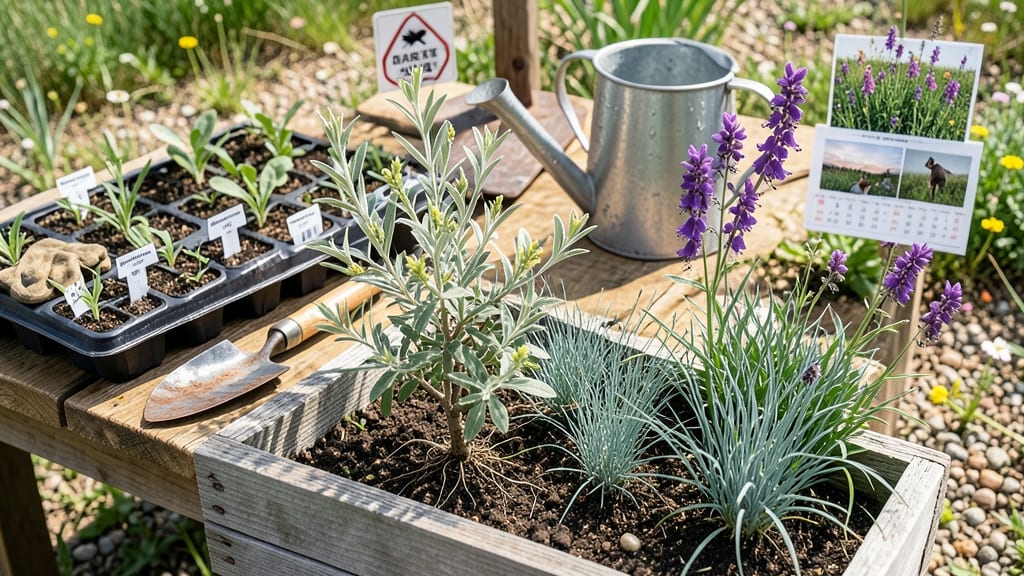
Planting a garden in Colorado requires timing it just right — spring planting depends on your elevation, with high-altitude zones needing a later start than the Front Range.
Colorado’s diverse elevations—from high mountain valleys to arid plains—make planting times tricky, but getting it right means the difference between a thriving garden and a frost-killed disappointment.
If you’ve ever rushed to plant too early and lost seedlings to a late frost, you know how critical the timing is. The key is understanding your local frost dates and adjusting for altitude.
In this guide, I’ll break down the best planting windows by elevation, including soil prep tips and region-specific crop recommendations to maximize your harvest.
Colorado planting zones by elevation: critical timing for spring & fall crops
Colorado’s elevation extremes create unique gardening challenges. While Denver sits at 5,280 feet, the Western Slope drops to 4,000 feet, and mountain regions soar past 10,000 feet. These differences drastically affect your last frost dates and frost-free growing windows.
Understanding your elevation’s USDA hardiness zone and microclimate is the first step to avoiding frost-killed seedlings or stunted summer crops.
For example, lowland gardens (4,000–6,000 ft) like those in Pueblo or Grand Junction enjoy 150–180 frost-free days, while high-mountain gardens (8,000–10,000 ft) in places like Leadville or Aspen face just 60–90 days.
This means your spring planting window could vary by 4–6 weeks depending on elevation. Let’s break down the critical timing for each zone so you can plant with confidence.
Here’s a quick reference for Colorado’s elevation-based planting zones, including average last frost dates, recommended planting windows, and frost-free period calculations. Use this as your guide to align your garden with Colorado’s unique seasonal rhythms.
If you’re gardening in lowland Colorado (4,000–6,000 ft), like along the Western Slope or San Luis Valley, you’ll have the longest growing season.
This means you can start warm-season crops like tomatoes, peppers, and corn as early as mid-April, giving them plenty of time to mature before the first frost in mid-October.
For cool-season crops like kale, spinach, and peas, you can even plant late summer (August) for a fall harvest.
In foothills regions (6,000–8,000 ft), such as Boulder, Fort Collins, or Colorado Springs, your last frost date pushes into early May, which means you’ll need to wait until late April or early May to plant heat-loving vegetables.
However, you can still enjoy a longer fall planting window (until late August) for cool-season crops that thrive in shorter days. This is perfect for broccoli, cabbage, and lettuce, which can handle light frosts and even sweeten up after a light freeze.
For high-mountain gardeners (8,000–10,000 ft), like those in Leadville, Aspen, or Durango, your growing season is short but sweet. You’ll need to time your spring planting carefully—mid-May to early June—to avoid late frosts that can linger into June.
Focus on fast-maturing varieties of potatoes, radishes, and bush beans, which can go from seed to harvest in 60–75 days. Fall planting is even more limited, with most gardeners wrapping up by mid-July
Best crops to plant by Colorado’s microclimates: heat-tolerant vs. cool-season staples
Colorado’s microclimates create unique gardening challenges—whether you’re in the Front Range’s dry heat or the mountain valleys’ cooler nights. The right crops can mean the difference between a bountiful harvest and a frost-killed failure.
For example, high-altitude potatoes thrive in cooler climates, while peppers and tomatoes need the lowland heat of places like Pueblo or Colorado Springs.
Your elevation determines what you can grow. At 5,000–7,000 feet, focus on cool-season crops like kale, spinach, and peas for early starts. Meanwhile, 6,000–8,000 feet gardens can handle heat-tolerant varieties like okra, sweet potatoes, and black-eyed peas once temperatures stabilize.
Below, we’ll break down the best crops for each microclimate and when to plant them for maximum success.
🌱 Comparison Table: Heat-Tolerant vs. Cool-Season Crops for Colorado Microclimates
| Crop Type | Best For Elevation | Planting Window | Key Varieties | Sun Needs |
|---|---|---|---|---|
| Cool-Season Staples | 5,000–7,000 ft | March–May, Sept–Oct | Kale, Spinach, Peas, Lettuce | 4–6 hours |
| Heat-Tolerant Crops | 6,000–8,000 ft | May–July | Okra, Sweet Potatoes, Peppers | 6–8 hours |
| High-Altitude Specialties | 7,000–9,000 ft | April–June | Potatoes, Carrots, Radishes | 5–7 hours |
| Front Range Survivors | 5,280–6,000 ft | April–July | Tomatoes, Zucchini, Basil | 6–8 hours |
For cool-season crops, start seeds indoors in late February for a March transplant once soil temps hit 40°F. These crops—like spinach and peas—can handle light frosts and even thrive in 50°F soil.
In contrast, heat-loving plants like jalapeños or eggplants need to wait until after May 15 in most areas, when nighttime temps stay above 55°F.
In high-altitude gardens, prioritize fast-maturing varieties like radishes (25 days) or bush beans (50 days) to avoid early fall frosts. Use row covers to extend the season by 2–3 weeks, especially for broccoli or cabbage.
Meanwhile, Front Range gardeners can push the limits with succession planting—sow lettuce every 2 weeks from April to August for continuous harvests.
Don’t overlook drought-resistant crops like Swiss chard or amaranth, which thrive in Colorado’s low-humidity conditions. Mulch heavily with straw or wood chips to retain moisture, and water deeply early in the morning to prevent fungal diseases in humid summer nights.
With the right choices, your garden can flourish—no matter where you live in Colorado.
Experiment with microclimate pockets in your yard. A south-facing wall can create a 5–10°F warmer zone, perfect for tomatoes or peppers that might otherwise struggle. Keep notes on what works best in your specific spot, and adjust next year’s planting schedule accordingly. Happy gardening!