Planting
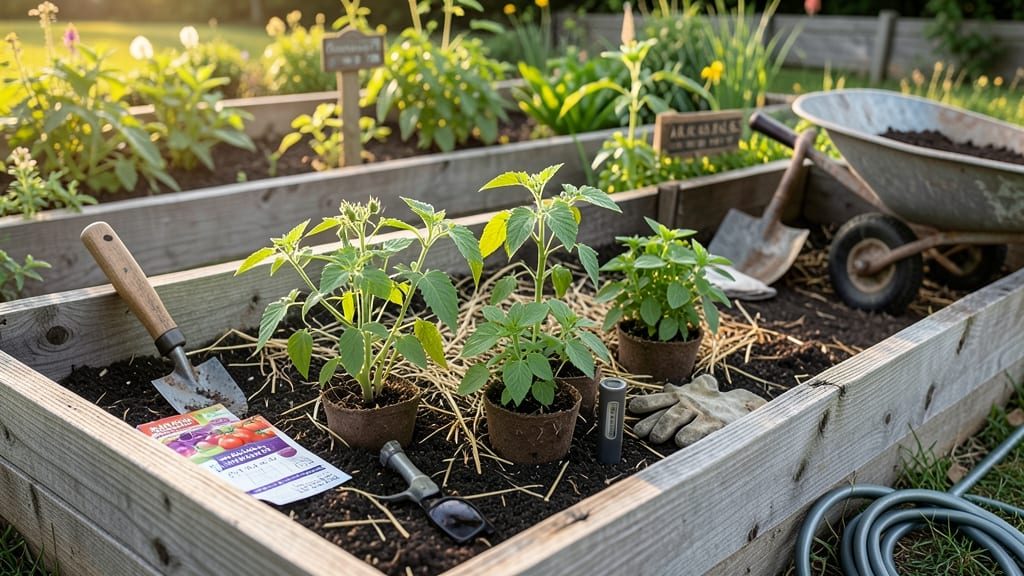
Planting your garden in Arkansas at the right time means catching that sweet spot between frost and heat—when the soil warms to 60°F for fast germination and 70°F for peak growth.
Arkansas gardeners know timing is everything—plant too early and face frost, too late and miss peak harvests. But with the right soil temperature triggers, you can maximize germination success and grow a thriving garden.
From the cooler highlands of the Ozarks to the humid Delta, Arkansas spans USDA zones 6b to 8a, meaning frost dates vary wildly. That’s why checking soil warmth—not just the calendar—is the game-changer for a faster harvest.
Below, I’ll break down the exact soil temps for your favorite crops, when to start seeds indoors, and how to stretch your growing season with simple tricks like row covers—so you’re planting with confidence, not guesswork.
Arkansas planting zones by month: frost dates and soil warmth requirements
Arkansas spans USDA zones 6b-8a, creating distinct planting windows across the state. In the northern mountains (zone 6b), gardeners face later last frosts around April 15-30, while the Delta region (zone 8a) enjoys earlier warm-up by March 1-15.
These variations mean your planting schedule should adjust based on elevation and proximity to the Mississippi River.
Soil temperature is the true trigger for germination, not just calendar dates. Most cool-season crops like broccoli and peas thrive when soil reaches 50°F, while warm-season favorites such as tomatoes and peppers need 60°F+ to sprout reliably.
My soil thermometer reads 55°F in early April in my zone 7a garden—perfect for planting lettuce but too cool for cucumbers.
Here’s how Arkansas’ regional frost patterns affect your planting timeline:
For cool-season crops, I start seeds indoors 6-8 weeks before the last frost date in my zone. For example, in zone 7a, that means February 1 for broccoli.
Direct-sow radishes and spinach as soon as soil hits 50°F, even if nighttime temps dip below freezing—these hardy greens tolerate light frosts.
Warm-season planting gets trickier. Tomatoes and peppers need consistent 60°F+ soil, which typically arrives by mid-May in the north and early April in the Delta.
I always wait until my soil thermometer confirms 60°F for 5+ days before transplanting seedlings. This prevents seedling rot and ensures strong root establishment.
Arkansas’ humidity and heat create unique challenges. After June 15, I shift to shade-loving crops like okra and sweet potatoes, which thrive in 70°F+ soil.
My container gardens in zone 8a often get planted 2-3 weeks earlier than in-ground beds because they warm up faster—black plastic mulch helps raise soil temps by 5-10°F.
Don’t overlook fall planting—Arkansas’ mild winters allow for second harvests of cool-season crops. I sow kale and carrots by September 1 in zone 7a, knowing they’ll mature before the first frost. For warm-season crops, extend the season with row covers or plant heat-tolerant varieties like Malabar spinach.
Pro tip: Use Arkansas Agricultural Experiment Station data for your specific county—some microclimates (like Mount Ida’s higher elevation) can have 2-week later frost dates than nearby areas. My neighbor in zone 7b plants tomatoes 10 days after I do, even though we’re only 30 miles apart.
Remember, soil warmth > calendar dates. A 50°F soil in March might be ready for peas, but a 45°F soil in April could still work if you use
How to test soil temperature and adjust planting for fast germination
Soil temperature isn't just about comfort—it's the secret to fast germination and healthy seedlings. In Arkansas, where last frost dates vary from early March in the Delta to late April in the Ozarks, knowing your soil's warmth is key to avoiding failed starts.
A soil thermometer (just $10 at garden centers) gives you the exact data you need to time plantings perfectly.
Cool-season crops like peas and lettuce thrive in soil as low as 50°F, while warm-season favorites such as tomatoes and peppers demand 60°F or warmer. Planting too early when soil is cold can leave seeds rotting in the ground, while waiting too long risks missing the ideal window.
Let's fix that with a simple, science-backed approach.
- 🌱 50°F+: Plant cool-season crops (peas, spinach, broccoli) 2-4 weeks before last frost.
- 🌱 60°F+: Start warm-season veggies (tomatoes, cucumbers, beans) 2 weeks after last frost.
- 🌱 70°F+: Ideal for heat-loving plants (okra, sweet potatoes, peppers) after Memorial Day.
- 🌱 Use row covers to warm soil 5-10°F faster in early spring or fall.
- 🌱 Cold frames add 10-15°F to soil—perfect for extending spring harvests.
First, check your soil temperature daily for 3-5 days before planting. Insert the thermometer 2 inches deep (the depth most seeds germinate) and record readings in the morning and evening.
Arkansas soils can fluctuate wildly—especially in North Arkansas—so consistency matters. For example, my tomato seeds struggled to sprout until the soil hit 62°F consistently for three days.
If your soil is too cold, don’t rush! Use black plastic mulch or straw bales to absorb sunlight and raise temperatures 3-5°F per day. In my Delta garden, this trick let me plant cucumbers 10 days earlier than usual.
For cool-season crops, row covers create a microclimate that protects tender seedlings from late spring frosts while letting sunlight warm the soil.
Pro tip: Pair your soil thermometer with a seedling heat mat ($15-$20) for indoor starts. This combo ensures your pepper seedlings (which need 75°F soil) germinate in 7-10 days instead of weeks.
I’ve used this method to get a head start on my Arkansas-favorite 'Cherokee Purple' tomatoes—resulting in harvests 3 weeks earlier than neighbors who wait for "perfect" outdoor conditions.
Remember, soil temperature > air temperature. A sunny 70°F day might feel warm, but if your soil is still 55°F, your okra seeds will sit dormant.
Test, adjust, and plant only when the numbers align with your crop’s needs. With this method, you’ll turn Arkansas’ unpredictable climate into your garden’s greatest advantage. 🌱