
Planting
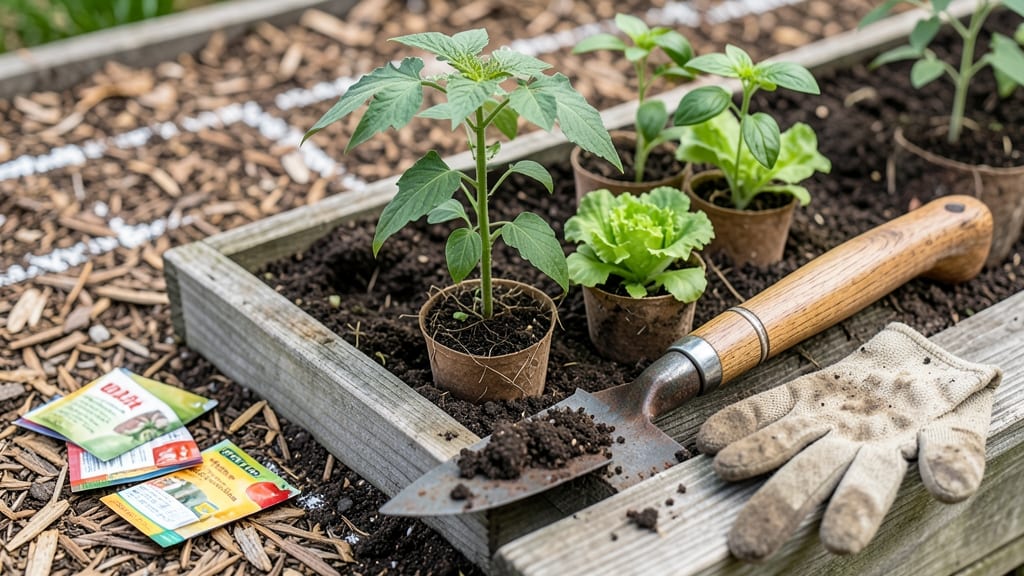
Planting your garden in Zone 7 at the right time means the difference between a thriving harvest and wasted effort—get the timing wrong, and you risk stunted growth or lost crops.
Timing your garden planting in Zone 7 can mean the difference between a bountiful harvest and wasted seeds—get it wrong, and you risk frost damage or stunted growth. But with the right schedule, you’ll maximize yields for everything from tomatoes to winter greens.
Most gardeners in Zone 7 know the basics: cool-season crops like lettuce and peas go in early spring, while tomatoes and peppers wait until after the last frost.
But the real secret is adjusting for Zone 7a vs. 7b—where a week can make or break your harvest—and knowing which crops thrive in staggered plantings.
In this guide, I’ll break down the exact months to plant everything from fast-growing radishes to slow-maturing fruit trees, plus how to stretch your growing season with simple tricks like row covers and succession planting.
Zone 7 planting calendar: exact months for cool-season vs. warm-season crops
Mastering the Zone 7 planting calendar means aligning your garden with nature’s rhythm—cool-season crops thrive in spring and fall, while warm-season plants need summer’s heat. The average last frost date in Zone 7 is around March 15, but this shifts slightly between Zone 7a (cooler) and Zone 7b (warmer).
For example, Zone 7a might see frost until April 1, while Zone 7b could be frost-free by March 1. Knowing these dates helps you avoid frost damage and bolting in heat-sensitive crops.
Cool-season crops like lettuce, kale, and peas can handle light frosts and even grow well when soil temperatures hover around 40–50°F. These plants should be sown 4–6 weeks before your last frost, often starting in February or early March.
On the other hand, warm-season crops such as tomatoes, peppers, and cucumbers need soil temperatures above 60°F to germinate, so wait until 2–3 weeks after your last frost, typically mid-April to early May.
Here’s the key to success: soil temperature matters just as much as air temperature. Use a soil thermometer to confirm readiness—cool-season crops need 40–50°F, while warm-season crops demand 60°F+.
For instance, spinach can tolerate 30°F but bolts in summer heat, while basil wilts if soil dips below 50°F. Planning ahead ensures you’re not left with stunted seedlings or wasted seed packets.
🌱
| Crop Type | Planting Window | Soil Temp | Days to Maturity | Notes |
|---|---|---|---|---|
| Cool-Season Veggies | Feb–Mar (spring) / Aug–Sep (fall) | 40–50°F | 30–90 days | Lettuce, kale, peas, spinach |
| Warm-Season Veggies | Apr–May (after frost) | 60°F+ | 50–120 days | Tomatoes, peppers, cucumbers |
| Herbs | Mar–Apr (cool) / Jul–Aug (warm) | 50–70°F | 20–60 days | Basil (warm), parsley (cool) |
| Flowers | Mar–Apr (spring) / Aug–Sep (fall) | 50–65°F | 30–100 days | Marigolds, zinnias, pansies |
| Perennials | Sep–Oct (fall) or early spring | 50–60°F | Varies (1–3 years) | Herbs, lavender, asparagus |
For Zone 7a gardeners, focus on late March to early April for cool-season crops, while Zone 7b can start slightly earlier, around mid-March. Warm-season crops in both subzones should wait until soil warms post-frost, usually mid-April to early May.
Pro tip: Use row covers to extend cool-season planting by 2–4 weeks or black plastic mulch to warm soil faster for warm-season starts. This flexibility helps you avoid seedling shock or premature bolting.
Don’t overlook
How to adjust planting times for Zone 7a vs. 7b (and avoid common mistakes)
Zone 7 spans two distinct subzones—7a (cooler) and 7b (warmer)—with average last frost dates differing by 2-3 weeks. In 7a, you’ll typically plant cool-season crops like broccoli and spinach by February 15, while 7b gardeners can start as early as March 1.
This shift means 7b growers enjoy a longer growing season by 3-4 weeks, allowing for extra harvests.
Warm-season crops like tomatoes and peppers also see a difference: 7a gardeners wait until April 15 for transplanting, while 7b can start April 1. The key is adjusting your schedule based on your local last frost date—not just the zone average.
For example, Asheville, NC (7a) might have frost until April 10, while Atlanta, GA (7b) could be frost-free by March 25.
⚠️ callout-warning ⚠️
Planting warm-season crops too early in 7a or cool-season crops too late in 7b leads to frost damage or bolting. Always check your specific last frost date (not just the zone average) and adjust by 1-2 weeks if your area runs cooler or warmer.
💡 Pro Tip: Use a frost calendar from your local Cooperative Extension office for precise timing.
To extend your season in 7a, use row covers or cold frames to plant spinach and kale as early as January 15. In 7b, you can push warm-season crops like squash and cucumbers into late summer (August 15) with succession planting.
For example, 7b gardeners can squeeze in two tomato harvests—one in May and another in August—by staggering plantings.
Another trick is interplanting: After harvesting early radishes (ready in 25 days), replant the space with bush beans (ready in 50 days). This works in both subzones but gives 7b an extra 2-3 weeks of flexibility.
Just avoid planting heat-sensitive crops like lettuce after July 15 in 7b, or they’ll bolt quickly.
For perennials and shrubs, the difference is less critical, but 7a gardeners should wait until April 1 to plant blueberries, while 7b can start March 15.
The soil in 7a takes longer to warm, so mulch heavily to protect roots. In 7b, focus on watering deeply during June-July to prevent stress from heat spikes.
Finally, track your personal frost dates for 3 years to refine your schedule. What works for your neighbor might not fit your microclimate. With these adjustments, you’ll maximize yields and avoid the top 3 planting mistakes—planting too early, too late, or ignoring your local conditions. Happy growing! 🌱